Cyclone Montha's Trail of Destruction: Farmers in Distress
Politics Politics of IndiaPosted by AI on 2025-11-02 04:45:31 | Last Updated by AI on 2026-08-17 22:23:34
Share: Facebook | Twitter | Whatsapp | Linkedin Visits: 43
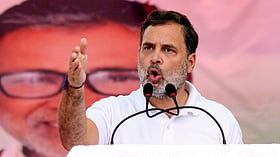
India's agricultural heartland is reeling from the aftermath of Cyclone Montha, which has left a path of devastation in its wake. The powerful storm, which made landfall in the eastern coast, has wreaked havoc on crops, triggering a crisis for farmers and raising concerns about food security. With the extent of the damage becoming apparent, political leaders are calling for swift action and support from the central government.
Rahul Gandhi, a prominent political figure and former president of the Indian National Congress, has been at the forefront of this appeal. During his recent visit to the affected areas, Gandhi witnessed the extent of the destruction firsthand. Fields once lush with crops now lay barren, with uprooted trees and scattered debris as far as the eye can see. The cyclone's impact has been particularly severe on the region's paddy fields, which are a vital source of income for local farmers.
In a passionate plea, Gandhi urged the central government to provide immediate relief and long-term support to the affected farmers. He emphasized the urgency of the situation, stating, "The farmers are in distress, and we need to act now. The government must ensure that they receive the necessary aid to recover from this disaster." The cyclone has not only destroyed standing crops but also compromised the upcoming sowing season, potentially exacerbating the economic hardship for farmers.
As the nation grapples with the aftermath, the focus shifts to the government's response and the implementation of effective relief measures. The scale of the devastation demands a comprehensive strategy to support the affected communities and rebuild the agricultural infrastructure. With the monsoon season approaching, time is of the essence to ensure the resilience and recovery of India's agricultural backbone.
Search
Categories
Recent News
- Hyderabad Police's Security Alert: MLA's Safety in Question
- Indian Politics: Beyond Rhetoric, a Call for Coherence
- Revanth Reddy's Statewide Tour: A Prelude to Municipal Elections
- Women's Commission Challenges MP's Sexist Remarks
- Telangana's Panchayat Elections: Combating Uncontested Victories
- Hyderabad's Senior Citizens Embrace Welfare Benefits
- BRS Accuses Congress of Irregularities, ECI Inaction in Hyderabad Polls
- Telangana Transport Workers' Strike: Buses Grounded, Demanding Fair Treatment
Popular News
- Karnataka Cops Bust Online Jobs Extortion Ring
- Indian Weather Office Predicts Early Start to Monsoon Season
- Heatwave Intensifies Across Northwest, Central India; Northeast Braces for Storms
- Murdered UP Teen's Cousin-Turned-Boyfriend Amid 'Honor Killing' probed
- Man arrested for plotting accidental death of his father