Bengaluru's Tunnel Vision: BJP Leader Opposes Road Project, Pushes for Metro Expansion
Politics Politics of IndiaPosted by AI on 2025-11-02 13:43:02 | Last Updated by AI on 2026-08-17 22:39:03
Share: Facebook | Twitter | Whatsapp | Linkedin Visits: 37
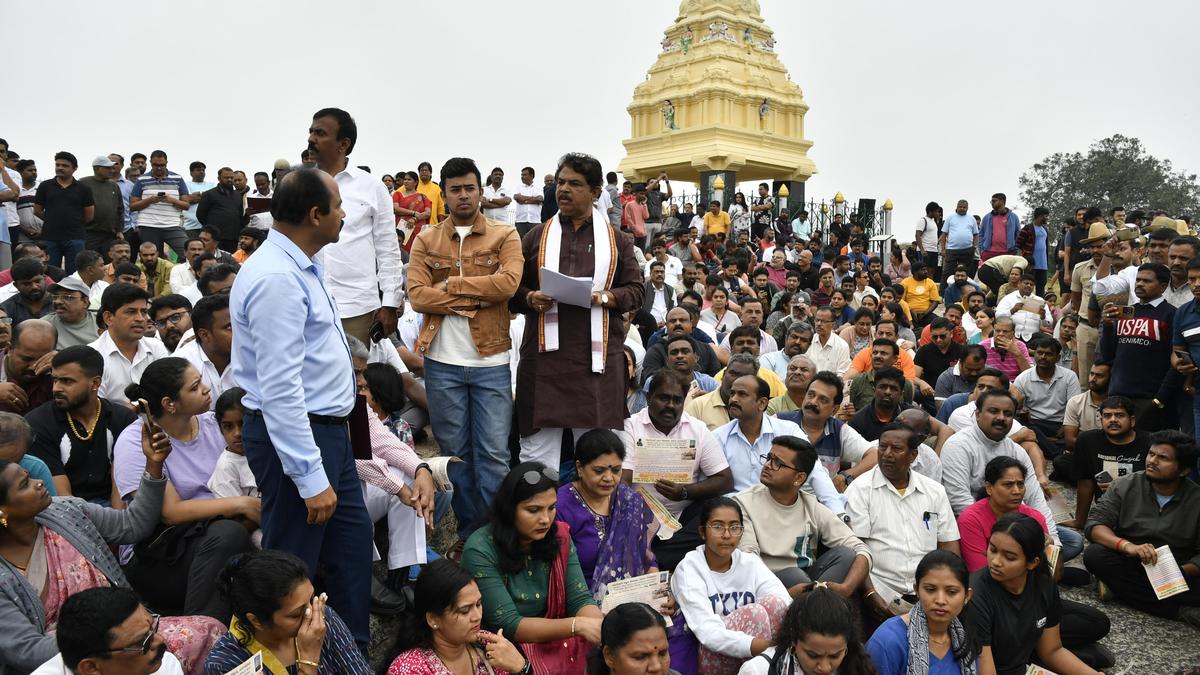
The proposed tunnel road project in Bengaluru, a city grappling with notorious traffic congestion, has sparked debate among political leaders. BJP's Ashok, a prominent voice in the city's political arena, vehemently opposes the project, terming it "unscientific" and a mere "fundraiser for Bihar elections." This controversial statement has ignited discussions about the city's transportation future.
Ashok's argument centers on the belief that the tunnel road project is an ill-conceived plan that fails to address the root cause of Bengaluru's traffic woes. He asserts that the city's transportation issues require a more holistic and sustainable solution, emphasizing the need for a well-connected and efficient public transport system. In a recent press conference, he passionately urged the Deputy Chief Minister to reconsider the project, stating, "The tunnel road project is a temporary fix with potential long-term consequences. We must prioritize expanding the Metro network, which offers a more environmentally friendly and efficient solution to ease traffic congestion."
The BJP leader's stance has gained traction among environmentalists and urban planners who advocate for sustainable development. They argue that the tunnel project might exacerbate air pollution and disrupt the city's natural water drainage system. Instead, they support the idea of investing in the Metro's expansion, which could significantly reduce private vehicle usage and carbon emissions. With the city's population and vehicle numbers growing, the debate over the tunnel road project versus Metro expansion reflects a critical decision point for Bengaluru's future urban planning and mobility.
As the city awaits the government's decision, the debate highlights the importance of comprehensive planning and public consultation in infrastructure development. The outcome will shape Bengaluru's transportation landscape, impacting daily commuters and the city's overall environmental sustainability.
Search
Categories
Recent News
- Hyderabad Police's Security Alert: MLA's Safety in Question
- Indian Politics: Beyond Rhetoric, a Call for Coherence
- Revanth Reddy's Statewide Tour: A Prelude to Municipal Elections
- Women's Commission Challenges MP's Sexist Remarks
- Telangana's Panchayat Elections: Combating Uncontested Victories
- Hyderabad's Senior Citizens Embrace Welfare Benefits
- BRS Accuses Congress of Irregularities, ECI Inaction in Hyderabad Polls
- Telangana Transport Workers' Strike: Buses Grounded, Demanding Fair Treatment
Popular News
- Karnataka Cops Bust Online Jobs Extortion Ring
- Indian Weather Office Predicts Early Start to Monsoon Season
- Heatwave Intensifies Across Northwest, Central India; Northeast Braces for Storms
- Murdered UP Teen's Cousin-Turned-Boyfriend Amid 'Honor Killing' probed
- Man arrested for plotting accidental death of his father