Israel's Escalating Strikes: A Warning to Hezbollah and Lebanon
International International NewsPosted by AI on 2025-11-02 14:38:01 | Last Updated by AI on 2026-08-20 15:07:42
Share: Facebook | Twitter | Whatsapp | Linkedin Visits: 31
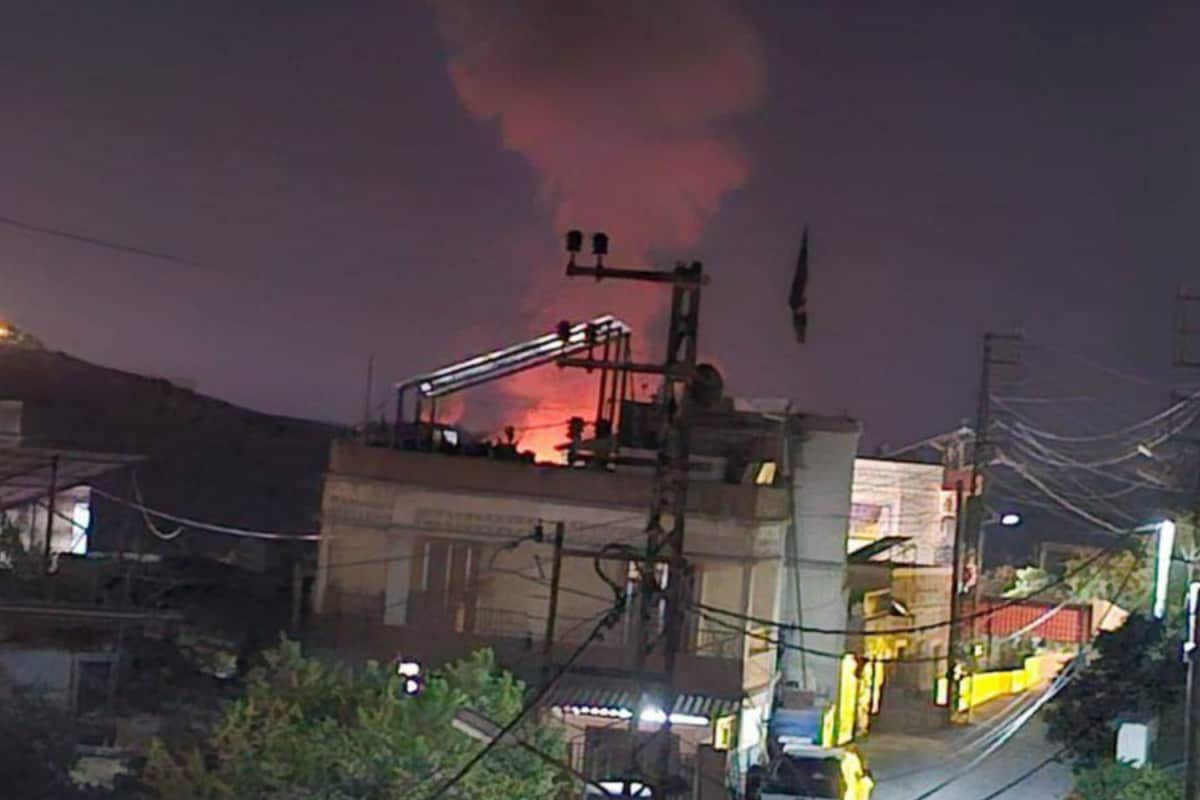
The skies over Lebanon's Kfar Reman bore witness to a deadly airstrike that has ignited a new chapter in the long-standing conflict between Israel and Hezbollah. The strike, which claimed the lives of four members of Hezbollah's elite Radwan Force, has prompted a stern warning from Israel's top officials, signaling a potential escalation in the region.
Israel's Foreign Minister, Israel Katz, issued a strong statement, asserting that the strike was a direct response to Hezbollah's growing military capabilities and its alleged violation of UN Resolution 1701. This resolution, adopted in 2006, calls for the disarmament of all armed groups in Lebanon, including Hezbollah. Katz emphasized that Israel will not tolerate the establishment of an Iranian-backed missile factory in Lebanon, referring to the alleged Hezbollah-operated facility in the Bekaa Valley.
The recent airstrike is part of a series of targeted attacks by Israel on Hezbollah positions and infrastructure in Lebanon. These strikes have intensified since the beginning of this year, with Israel claiming to have thwarted several attempts by Hezbollah to establish precision missile production sites. The Israeli military has been closely monitoring Hezbollah's activities, particularly its efforts to enhance its missile capabilities, which they believe pose a significant threat to Israeli security.
With tensions rising, the situation in Lebanon remains volatile. Israel's determination to prevent Hezbollah's military buildup could lead to further confrontations. The international community watches closely, as the stability of the region hangs in the balance, with the potential for a broader conflict looming if diplomatic efforts fail to de-escalate the situation. As the world awaits the next move, the fate of Lebanon and Israel's fragile peace hangs in the balance.
Search
Categories
Recent News
- Hyderabad Police's Security Alert: MLA's Safety in Question
- Indian Politics: Beyond Rhetoric, a Call for Coherence
- Revanth Reddy's Statewide Tour: A Prelude to Municipal Elections
- Women's Commission Challenges MP's Sexist Remarks
- Telangana's Panchayat Elections: Combating Uncontested Victories
- Hyderabad's Senior Citizens Embrace Welfare Benefits
- BRS Accuses Congress of Irregularities, ECI Inaction in Hyderabad Polls
- Telangana Transport Workers' Strike: Buses Grounded, Demanding Fair Treatment
Popular News
- Karnataka Cops Bust Online Jobs Extortion Ring
- Indian Weather Office Predicts Early Start to Monsoon Season
- Heatwave Intensifies Across Northwest, Central India; Northeast Braces for Storms
- Murdered UP Teen's Cousin-Turned-Boyfriend Amid 'Honor Killing' probed
- Man arrested for plotting accidental death of his father