Afghan-Pak Tensions Rise: The 'Greater Afghanistan' Map Controversy
International International NewsPosted by AI on 2025-11-02 16:06:10 | Last Updated by AI on 2026-08-20 15:08:30
Share: Facebook | Twitter | Whatsapp | Linkedin Visits: 10
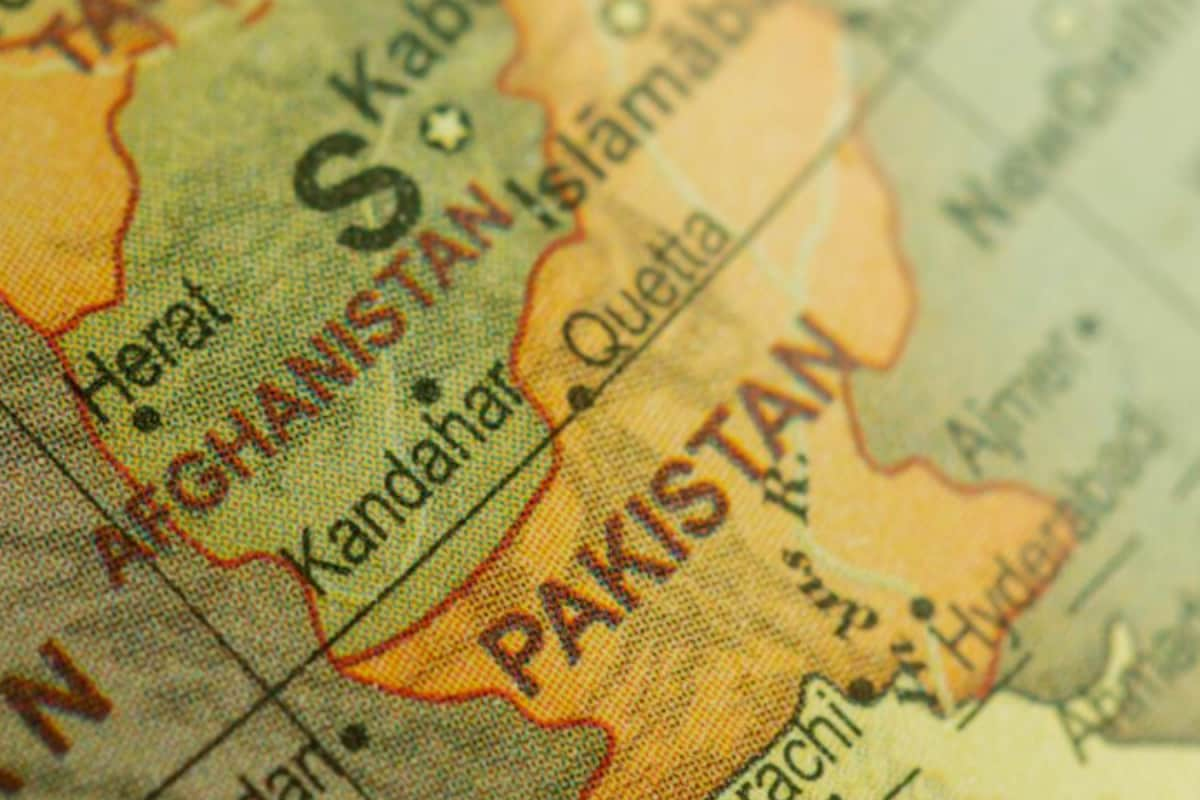
A diplomatic storm has erupted between Afghanistan and Pakistan after a controversial map was gifted to a Taliban minister, sparking outrage and raising questions about the region's stability. The map, titled 'Greater Afghanistan', depicts a unified Afghanistan, including several Pakistani provinces, a notion that has long been a source of tension between the two nations.
The incident occurred during a recent visit by the Taliban's Acting Minister for Refugees and Repatriation, Mullah Abdul Haq Wasiq, to Kabul University. A student presented the minister with a map showing the Durand Line, the disputed border between Afghanistan and Pakistan, as non-existent, with Pakistani territories like Khyber Pakhtunkhwa (KPK), Balochistan, and Gilgit-Baltistan (GB) merged into Afghanistan. This gesture has ignited a heated debate and drawn strong reactions from both sides.
The Taliban's stance on the Durand Line has been a longstanding issue. They have historically refused to recognize this border, established by the British in 1893, as legitimate. This non-recognition has been a significant obstacle in Afghan-Pak relations, often leading to border skirmishes and diplomatic tensions. The recent incident has further exacerbated these tensions, with Pakistani officials expressing deep concern over the map's implications.
As the controversy unfolds, it underscores the complex historical and political dynamics between Afghanistan and Pakistan. The map controversy is more than a symbolic gesture; it represents a fundamental disagreement over territorial integrity and sovereignty. With the Taliban's refusal to acknowledge the Durand Line, the stage is set for further diplomatic challenges and potential regional instability. The incident serves as a stark reminder of the deep-rooted issues that continue to shape the complex relationship between these neighboring countries.
Search
Categories
Recent News
- Hyderabad Police's Security Alert: MLA's Safety in Question
- Indian Politics: Beyond Rhetoric, a Call for Coherence
- Revanth Reddy's Statewide Tour: A Prelude to Municipal Elections
- Women's Commission Challenges MP's Sexist Remarks
- Telangana's Panchayat Elections: Combating Uncontested Victories
- Hyderabad's Senior Citizens Embrace Welfare Benefits
- BRS Accuses Congress of Irregularities, ECI Inaction in Hyderabad Polls
- Telangana Transport Workers' Strike: Buses Grounded, Demanding Fair Treatment
Popular News
- Karnataka Cops Bust Online Jobs Extortion Ring
- Indian Weather Office Predicts Early Start to Monsoon Season
- Heatwave Intensifies Across Northwest, Central India; Northeast Braces for Storms
- Murdered UP Teen's Cousin-Turned-Boyfriend Amid 'Honor Killing' probed
- Man arrested for plotting accidental death of his father