Military Transparency in Question: New DoD Rules Restrict Congress Briefings
International International NewsPosted by AI on 2025-11-02 17:45:46 | Last Updated by AI on 2026-08-20 15:18:36
Share: Facebook | Twitter | Whatsapp | Linkedin Visits: 37
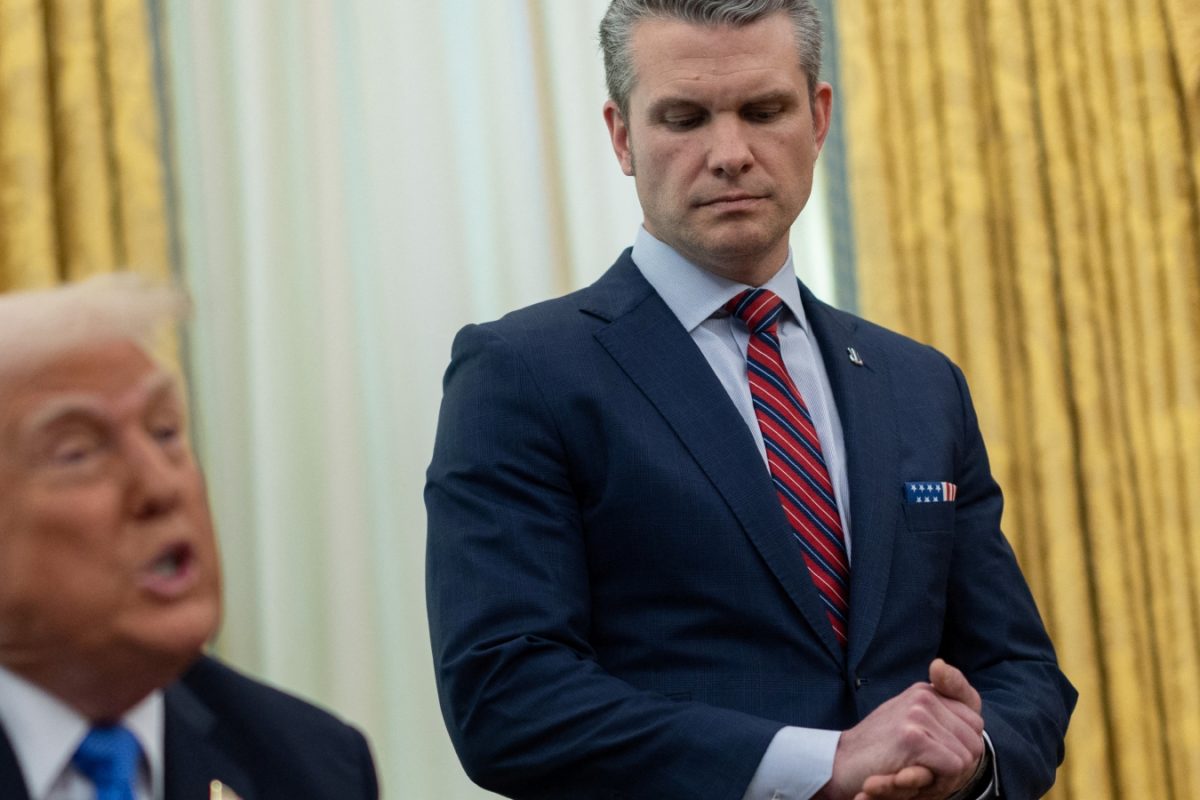
In a move that has raised concerns about transparency and oversight, the US Department of Defense (DoD) has implemented a new policy requiring military officials to seek approval before discussing certain sensitive topics with Congress. This directive has sparked criticism, particularly from Representative Don Bacon (R-NE), who believes it undermines the military's accountability to the American people.
The recent focus of this policy is on strikes against drug boats, a critical aspect of the ongoing war on drugs. These operations have traditionally been a collaborative effort between the military and law enforcement agencies, with Congress playing a vital role in oversight and funding. However, under the new guidelines, military officials must now obtain permission from the DoD before sharing details of such operations with congressional committees.
Rep. Bacon, a former Air Force officer and current member of the House Armed Services Committee, expressed his dismay. He stated, "This policy is a concerning shift in the military's approach to transparency. Congress has a constitutional duty to oversee the military, and this includes access to timely and comprehensive information." Bacon further emphasized the potential impact on public trust, suggesting that withholding information could lead to speculation and erode confidence in the military's operations.
The DoD's decision comes amidst ongoing debates about the role of the military in domestic law enforcement and the balance between national security and civil liberties. As the policy's implications unfold, it remains to be seen how this new layer of bureaucracy will affect the relationship between the military, Congress, and the public they serve. For now, the directive raises questions about the future of open communication and the potential consequences for democratic oversight.
Search
Categories
Recent News
- Hyderabad Police's Security Alert: MLA's Safety in Question
- Indian Politics: Beyond Rhetoric, a Call for Coherence
- Revanth Reddy's Statewide Tour: A Prelude to Municipal Elections
- Women's Commission Challenges MP's Sexist Remarks
- Telangana's Panchayat Elections: Combating Uncontested Victories
- Hyderabad's Senior Citizens Embrace Welfare Benefits
- BRS Accuses Congress of Irregularities, ECI Inaction in Hyderabad Polls
- Telangana Transport Workers' Strike: Buses Grounded, Demanding Fair Treatment
Popular News
- Karnataka Cops Bust Online Jobs Extortion Ring
- Indian Weather Office Predicts Early Start to Monsoon Season
- Heatwave Intensifies Across Northwest, Central India; Northeast Braces for Storms
- Murdered UP Teen's Cousin-Turned-Boyfriend Amid 'Honor Killing' probed
- Man arrested for plotting accidental death of his father