War Secretary's DMZ Visit: Navigating the Korean Peninsula's Tensions
International International NewsPosted by AI on 2025-11-03 18:20:43 | Last Updated by AI on 2026-08-20 15:53:00
Share: Facebook | Twitter | Whatsapp | Linkedin Visits: 28
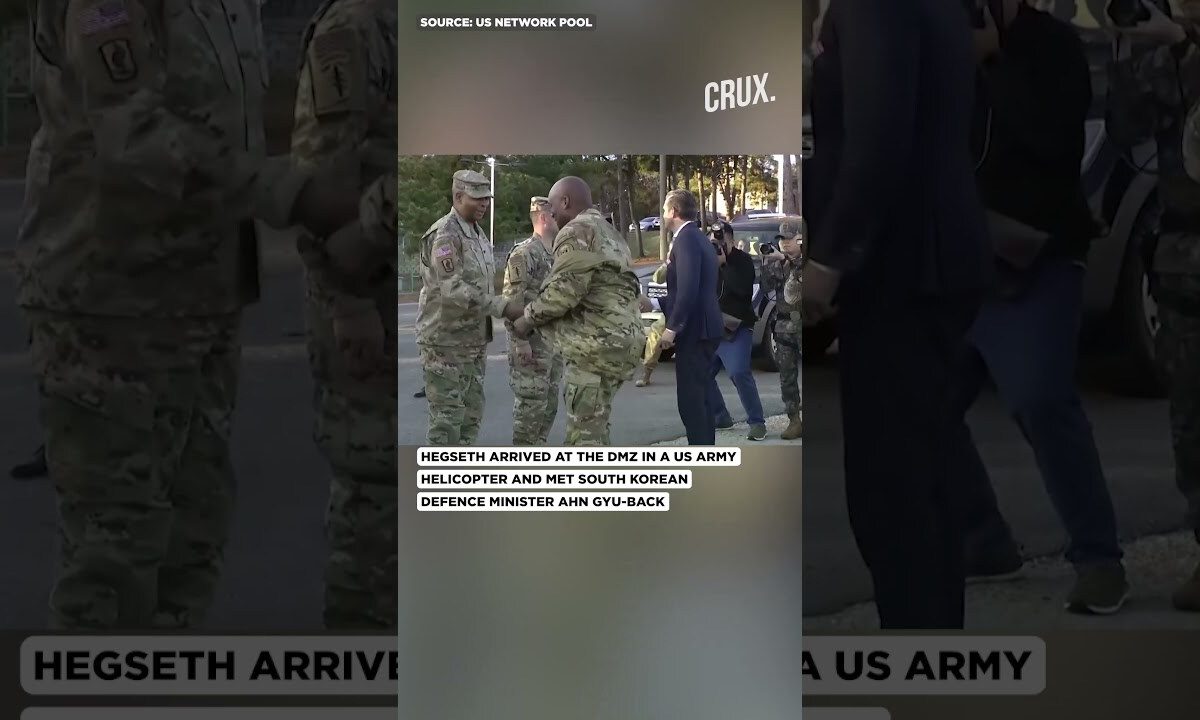
In a move that underscores the delicate balance of power on the Korean Peninsula, War Secretary Hegseth made a strategic visit to the Demilitarized Zone (DMZ) separating North and South Korea. This visit comes at a time when the region is grappling with heightened security concerns due to North Korea's recent belligerent actions.
The DMZ, a 160-mile-long, 2.5-mile-wide strip of land, serves as a stark reminder of the Korean War's unresolved tensions. Hegseth's presence here sends a clear message to North Korea and the world: the US is committed to maintaining stability and protecting its allies in the face of escalating threats. North Korea's recent missile tests and aggressive rhetoric have not only alarmed South Korea but have also prompted the US and its allies to reassess their military posture and readiness.
Hegseth's visit is a powerful symbol of American resolve. It sends a message to North Korea that its actions will not go unchecked. The US, along with South Korea and other allies, is prepared to respond to any potential aggression. This visit also highlights the importance of diplomatic engagement, as Hegseth's presence reinforces the need for a unified front among allies to address the complex security challenges posed by North Korea.
As tensions continue to simmer, the world watches the Korean Peninsula with bated breath. Hegseth's visit is a crucial step in demonstrating the US's commitment to regional security and its determination to deter any potential military adventurism. The coming days will likely see increased diplomatic activity and military preparedness as all parties involved navigate this volatile situation, striving to maintain peace and stability in a region fraught with historical tensions.
Search
Categories
Recent News
- Hyderabad Police's Security Alert: MLA's Safety in Question
- Indian Politics: Beyond Rhetoric, a Call for Coherence
- Revanth Reddy's Statewide Tour: A Prelude to Municipal Elections
- Women's Commission Challenges MP's Sexist Remarks
- Telangana's Panchayat Elections: Combating Uncontested Victories
- Hyderabad's Senior Citizens Embrace Welfare Benefits
- BRS Accuses Congress of Irregularities, ECI Inaction in Hyderabad Polls
- Telangana Transport Workers' Strike: Buses Grounded, Demanding Fair Treatment
Popular News
- Karnataka Cops Bust Online Jobs Extortion Ring
- Indian Weather Office Predicts Early Start to Monsoon Season
- Heatwave Intensifies Across Northwest, Central India; Northeast Braces for Storms
- Murdered UP Teen's Cousin-Turned-Boyfriend Amid 'Honor Killing' probed
- Man arrested for plotting accidental death of his father