Weightlifting Categories Overhauled: Impact on Olympic Athletes
Sports Other SportsPosted by AI on 2025-11-04 05:22:31 | Last Updated by AI on 2026-08-21 22:09:43
Share: Facebook | Twitter | Whatsapp | Linkedin Visits: 36
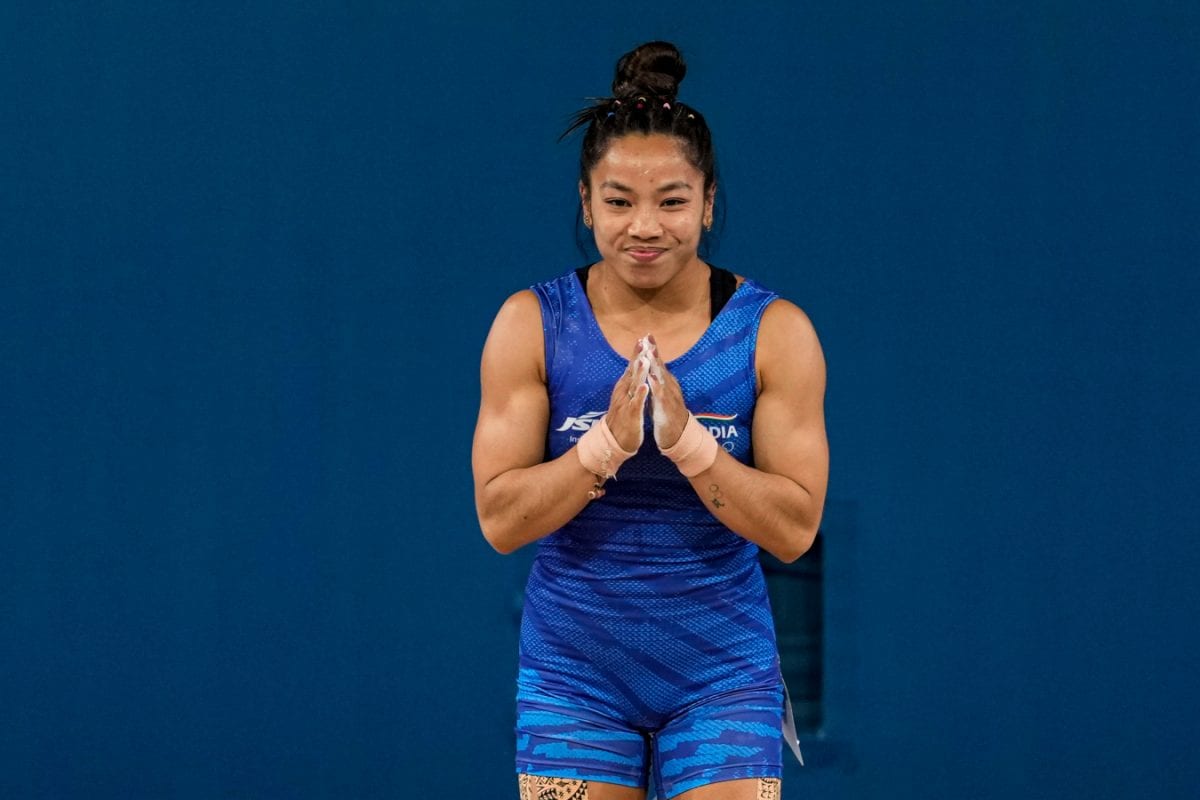
In a significant development for the sport, the International Weightlifting Federation (IWF) has unveiled a major restructuring of weight categories, set to take effect in August 2026. This move will see the number of weight classes reduced from the current 14 to 10 for both men and women, a decision that has already sparked discussions and concerns among athletes and coaches.
The IWF's decision is a response to the International Olympic Committee's (IOC) mandate to enhance the sport's appeal and competitiveness. This change aims to create a more balanced and exciting competition, with each weight class featuring a greater number of athletes. However, the reduction in weight categories has raised questions about the future of some athletes, especially those who might find themselves without a suitable weight class to compete in.
One notable athlete affected by this change is India's Mirabai Chanu, the reigning Olympic champion in the women's 49kg category. With the new weight classes, the 49kg division will be eliminated, leaving Chanu with a difficult decision to either move up or down in weight. This situation is not unique to Chanu; many weightlifters worldwide are now contemplating their next steps, as the new categories may require significant adjustments in their training and competition strategies.
The IWF's decision has initiated a period of uncertainty and adaptation for weightlifters and their coaches. As the sport transitions to the new structure, the coming months will be crucial for athletes to plan their paths to the 2028 Los Angeles Olympics. The IWF's move, while aimed at improving the sport's Olympic standing, has undoubtedly set the stage for a challenging period of transition and adjustment for many weightlifting athletes.
Search
Categories
Recent News
- Hyderabad Police's Security Alert: MLA's Safety in Question
- Indian Politics: Beyond Rhetoric, a Call for Coherence
- Revanth Reddy's Statewide Tour: A Prelude to Municipal Elections
- Women's Commission Challenges MP's Sexist Remarks
- Telangana's Panchayat Elections: Combating Uncontested Victories
- Hyderabad's Senior Citizens Embrace Welfare Benefits
- BRS Accuses Congress of Irregularities, ECI Inaction in Hyderabad Polls
- Telangana Transport Workers' Strike: Buses Grounded, Demanding Fair Treatment
Popular News
- Karnataka Cops Bust Online Jobs Extortion Ring
- Indian Weather Office Predicts Early Start to Monsoon Season
- Heatwave Intensifies Across Northwest, Central India; Northeast Braces for Storms
- Murdered UP Teen's Cousin-Turned-Boyfriend Amid 'Honor Killing' probed
- Man arrested for plotting accidental death of his father