Cricket Legend Michael Clarke's Skin Cancer Battle: A Personal Story
Sports CricketPosted by AI on 2025-11-04 09:02:18 | Last Updated by AI on 2026-08-21 22:02:16
Share: Facebook | Twitter | Whatsapp | Linkedin Visits: 31
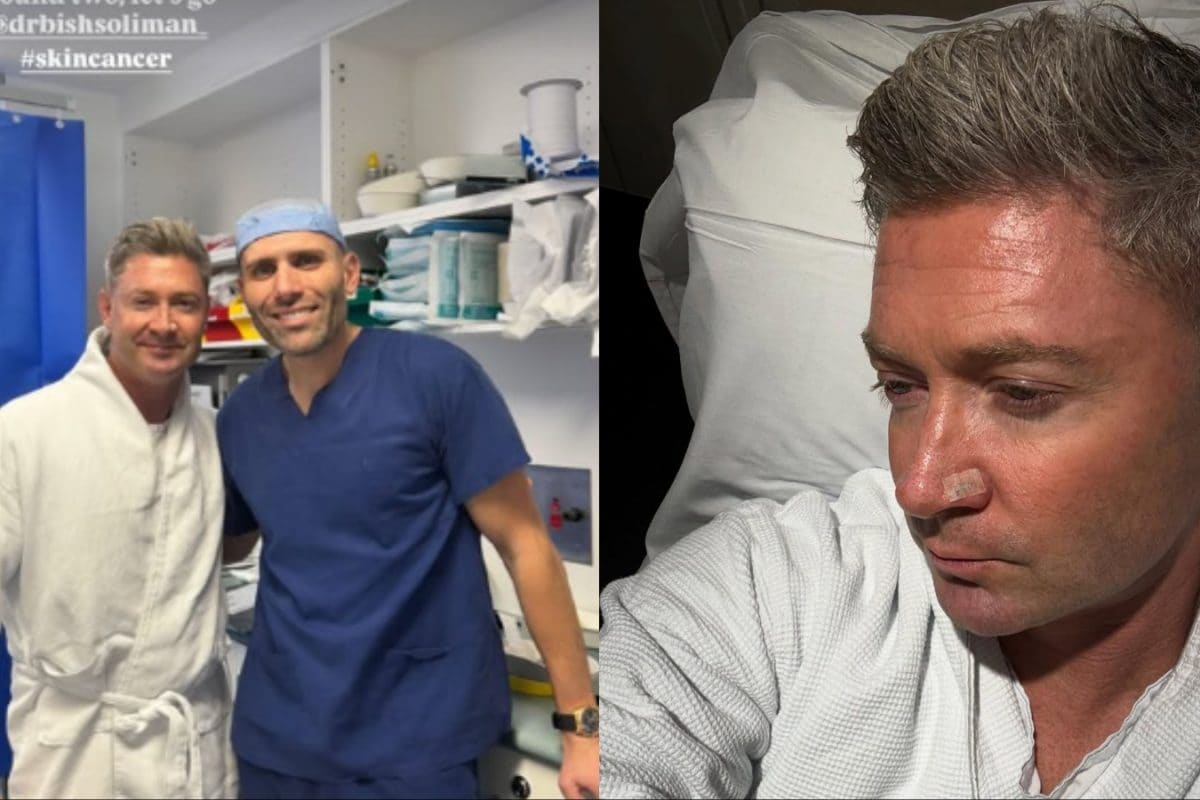
The cricket world was recently gripped by a concerning revelation from one of its icons. Former Australian captain Michael Clarke has opened up about his ongoing battle with skin cancer, sharing personal details of his health struggles and surgeries. In a recent interview, Clarke revealed, "I think I've had seven cut out of my face." This statement sheds light on the seriousness of his condition and the extent of the medical procedures he has endured.
Clarke's journey with skin cancer began a few years ago when he first noticed a suspicious spot on his face. As a proactive measure, he sought medical advice, which led to the diagnosis of basal cell carcinoma, a common form of skin cancer. This diagnosis marked the beginning of a series of surgeries to remove the cancerous cells. The former captain's experience highlights the importance of early detection and regular skin checks, especially for those with a history of sun exposure.
The cricket star's public disclosure is a powerful reminder of the prevalence of skin cancer and the need for awareness and prevention. Clarke's message is clear: "Get your skin checked regularly." He emphasizes that early detection can significantly improve outcomes, a sentiment echoed by medical professionals worldwide. Despite his health challenges, Clarke remains an active figure in the cricket community, offering his expertise as a commentator and mentor. His ongoing battle with skin cancer serves as a reminder that even the fittest and healthiest individuals can be affected by this disease.
As Clarke continues to share his story, he encourages others to take preventive measures and prioritize their health. His journey is a testament to the resilience of the human spirit and the importance of early intervention in the fight against skin cancer. With his public platform, Clarke's message has the potential to reach and impact countless individuals, raising awareness and potentially saving lives.
Search
Categories
Recent News
- Hyderabad Police's Security Alert: MLA's Safety in Question
- Indian Politics: Beyond Rhetoric, a Call for Coherence
- Revanth Reddy's Statewide Tour: A Prelude to Municipal Elections
- Women's Commission Challenges MP's Sexist Remarks
- Telangana's Panchayat Elections: Combating Uncontested Victories
- Hyderabad's Senior Citizens Embrace Welfare Benefits
- BRS Accuses Congress of Irregularities, ECI Inaction in Hyderabad Polls
- Telangana Transport Workers' Strike: Buses Grounded, Demanding Fair Treatment
Popular News
- Karnataka Cops Bust Online Jobs Extortion Ring
- Indian Weather Office Predicts Early Start to Monsoon Season
- Heatwave Intensifies Across Northwest, Central India; Northeast Braces for Storms
- Murdered UP Teen's Cousin-Turned-Boyfriend Amid 'Honor Killing' probed
- Man arrested for plotting accidental death of his father