The End of an Era: Dick Cheney's Legacy at 84
International International NewsPosted by AI on 2025-11-04 14:32:40 | Last Updated by AI on 2026-08-20 16:31:52
Share: Facebook | Twitter | Whatsapp | Linkedin Visits: 26
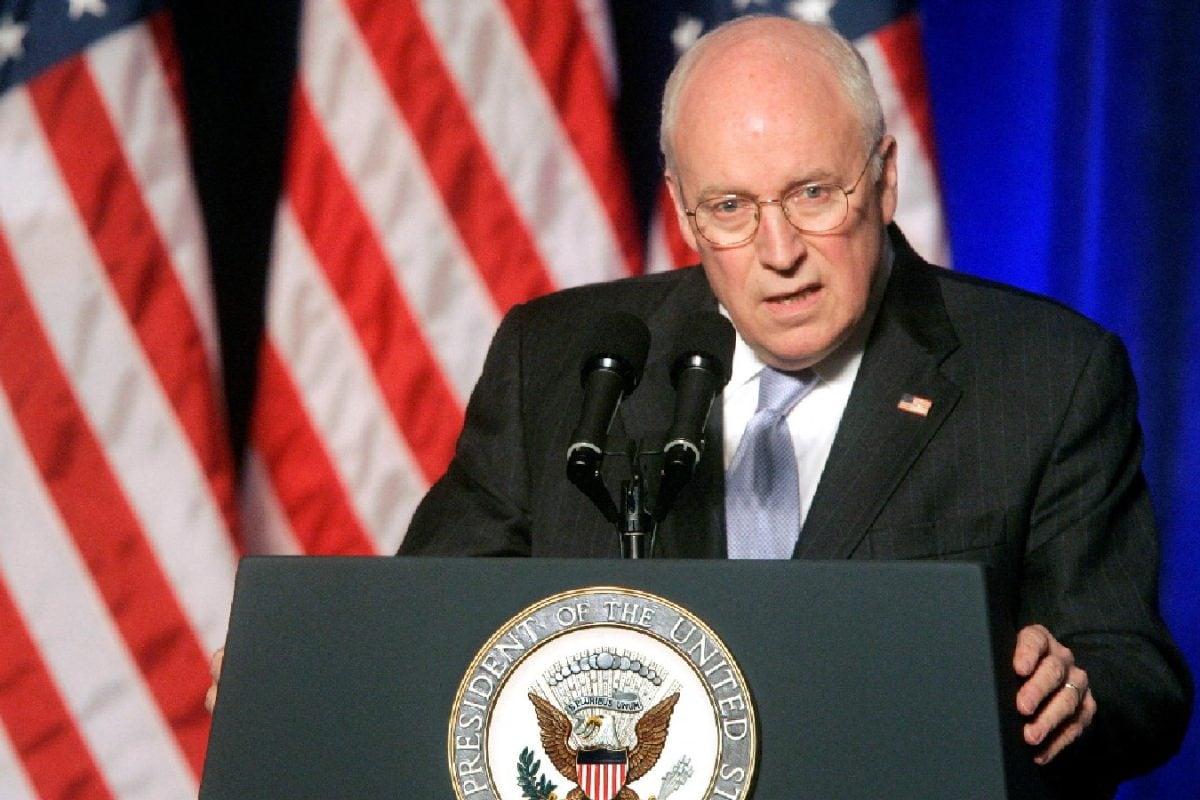
The political landscape of the United States bids farewell to a controversial figure as Dick Cheney, the influential former Vice President, passed away at the age of 84. This news marks the end of a chapter in American political history, leaving behind a complex legacy that continues to shape the nation's foreign policy.
Cheney, a prominent Republican, served as Vice President under George W. Bush from 2001 to 2009, a tenure marked by significant global events. His role in shaping the country's response to the 9/11 terrorist attacks is perhaps his most defining legacy. As the architect of the War on Terror, Cheney's influence extended far beyond the borders of the United States, impacting global security policies and international relations. The strategies he helped devise, including the invasion of Afghanistan and Iraq, have had long-lasting consequences, reshaping the geopolitical landscape of the Middle East.
A veteran of the Vietnam War, Cheney's political career spanned decades, starting as Chief of Staff under President Gerald Ford. His extensive experience in Washington's corridors of power made him a formidable figure in American politics. However, his legacy remains a subject of intense debate. While some praise his unwavering commitment to national security, others criticize the aggressive foreign policy decisions that led to prolonged conflicts and raised questions about civil liberties.
As the nation reflects on Cheney's life and impact, it also looks ahead. The ongoing debates about the War on Terror and its aftermath will continue to shape America's global role. The passing of this influential figure serves as a reminder of the enduring consequences of political decisions and the importance of critical reflection on the nation's past to navigate its future.
Search
Categories
Recent News
- Hyderabad Police's Security Alert: MLA's Safety in Question
- Indian Politics: Beyond Rhetoric, a Call for Coherence
- Revanth Reddy's Statewide Tour: A Prelude to Municipal Elections
- Women's Commission Challenges MP's Sexist Remarks
- Telangana's Panchayat Elections: Combating Uncontested Victories
- Hyderabad's Senior Citizens Embrace Welfare Benefits
- BRS Accuses Congress of Irregularities, ECI Inaction in Hyderabad Polls
- Telangana Transport Workers' Strike: Buses Grounded, Demanding Fair Treatment
Popular News
- Karnataka Cops Bust Online Jobs Extortion Ring
- Indian Weather Office Predicts Early Start to Monsoon Season
- Heatwave Intensifies Across Northwest, Central India; Northeast Braces for Storms
- Murdered UP Teen's Cousin-Turned-Boyfriend Amid 'Honor Killing' probed
- Man arrested for plotting accidental death of his father