China's Red Lines: A Warning After the Xi-Trump Summit
International International NewsPosted by AI on 2025-11-04 15:07:33 | Last Updated by AI on 2026-08-20 16:41:45
Share: Facebook | Twitter | Whatsapp | Linkedin Visits: 54
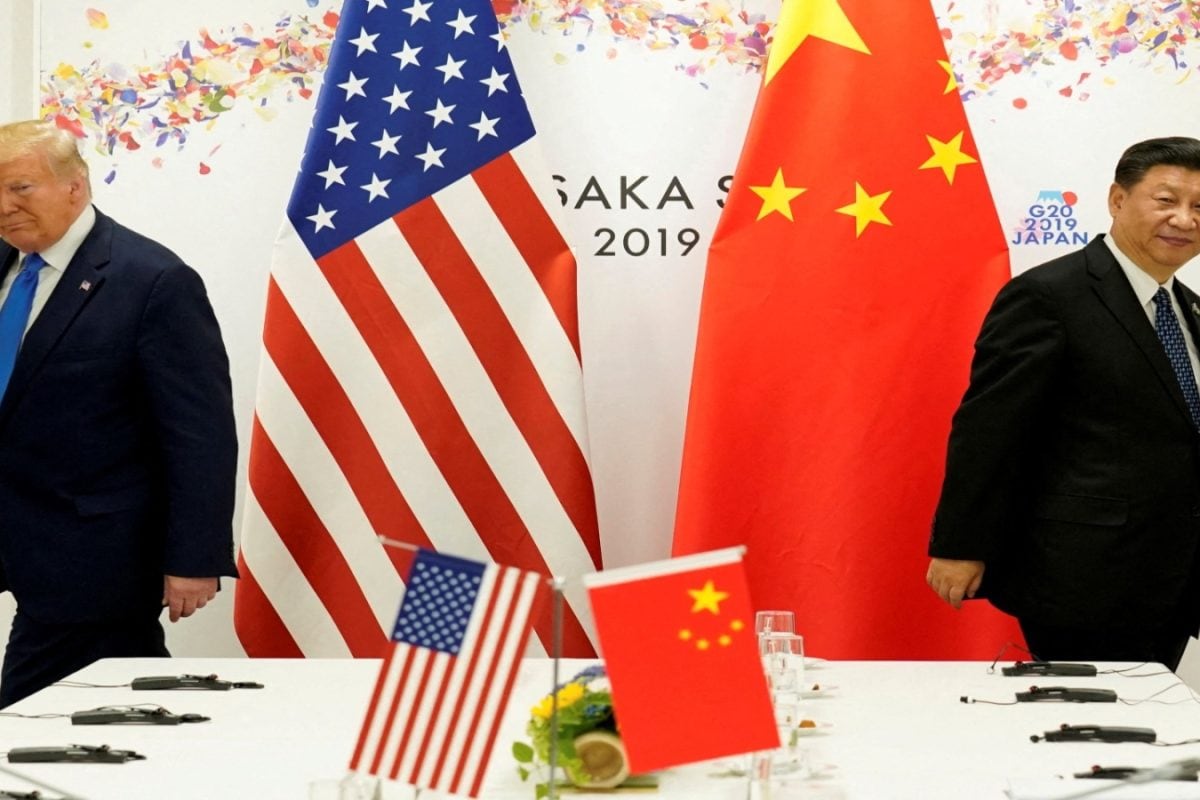
In the aftermath of the highly anticipated summit between Chinese President Xi Jinping and his American counterpart, Donald Trump, tensions have escalated as China issues a stern warning to the US. The meeting, which took place in South Korea, has sparked a strong response from China's ambassador to the US, Xie Feng, who outlined four critical 'red lines' that the US must respect.
Ambassador Xie's statement emphasized Taiwan as a central issue, urging the US to adhere to the 'One China' policy and refrain from any actions that challenge China's sovereignty. This warning comes amid rising concerns over potential US arms sales to Taiwan, a move that could significantly strain Sino-American relations. The ambassador's remarks highlight China's unwavering stance on what it considers a domestic affair, with any external interference viewed as a direct challenge to its territorial integrity.
The other red lines include democracy, path and system, and development rights. Xie asserted that China's political system and development model are not up for debate, and any attempts to impose Western-style democracy or interfere with China's internal affairs would be met with resistance. This statement reflects China's growing assertiveness in defending its unique brand of governance and development strategy.
As the world watches the aftermath of the Xi-Jinping-Trump summit, China's red lines serve as a stark reminder of the complex dynamics between these global powers. With Taiwan at the heart of the matter, the situation demands careful navigation to prevent further escalation, ensuring that diplomatic relations remain intact. The coming days will likely reveal the US response to these warnings, shaping the future of this critical bilateral relationship.
Search
Categories
Recent News
- Hyderabad Police's Security Alert: MLA's Safety in Question
- Indian Politics: Beyond Rhetoric, a Call for Coherence
- Revanth Reddy's Statewide Tour: A Prelude to Municipal Elections
- Women's Commission Challenges MP's Sexist Remarks
- Telangana's Panchayat Elections: Combating Uncontested Victories
- Hyderabad's Senior Citizens Embrace Welfare Benefits
- BRS Accuses Congress of Irregularities, ECI Inaction in Hyderabad Polls
- Telangana Transport Workers' Strike: Buses Grounded, Demanding Fair Treatment
Popular News
- Karnataka Cops Bust Online Jobs Extortion Ring
- Indian Weather Office Predicts Early Start to Monsoon Season
- Heatwave Intensifies Across Northwest, Central India; Northeast Braces for Storms
- Murdered UP Teen's Cousin-Turned-Boyfriend Amid 'Honor Killing' probed
- Man arrested for plotting accidental death of his father