Trump's Midterm Maneuver: A Nuclear Option for the Filibuster
International International NewsPosted by AI on 2025-11-04 15:40:23 | Last Updated by AI on 2026-08-20 16:41:30
Share: Facebook | Twitter | Whatsapp | Linkedin Visits: 28
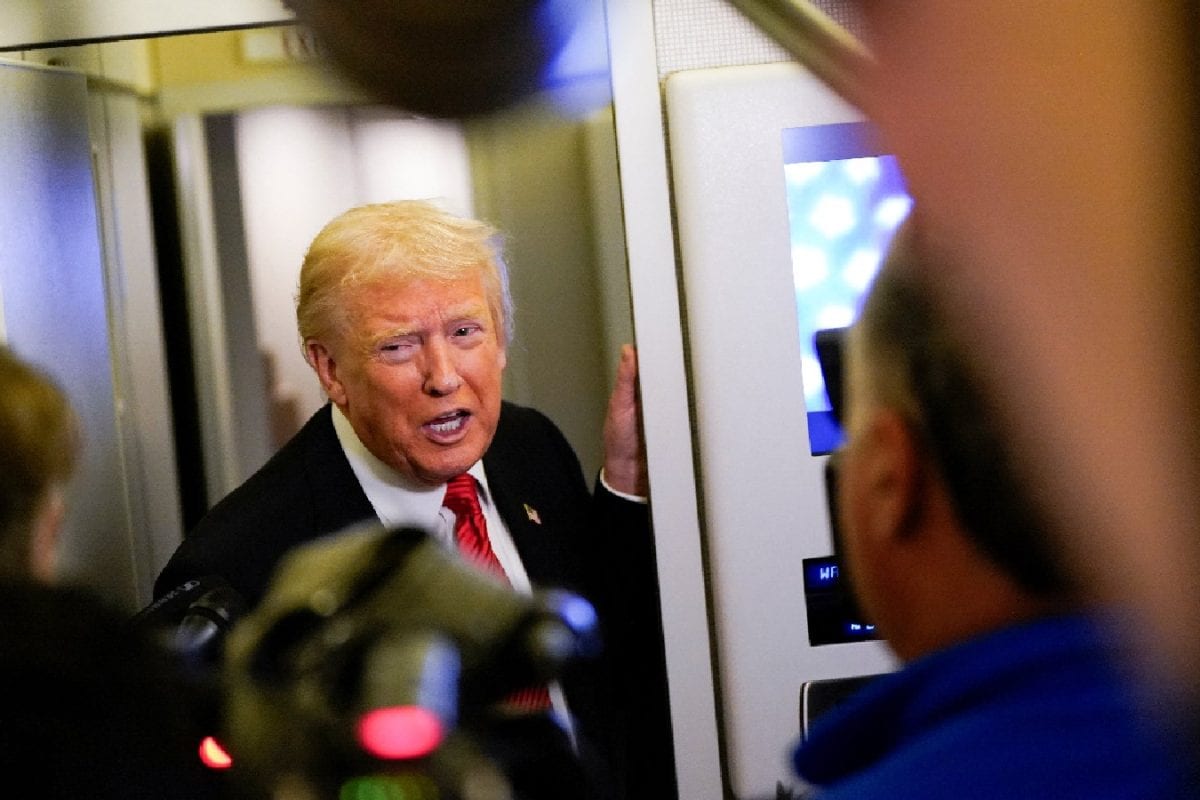
As the midterm elections loom, former President Donald Trump has set his sights on a controversial strategy, urging Republicans to consider a drastic move: abolishing the filibuster. This Senate rule, a cornerstone of American legislative procedure, allows the minority party to block bills unless 60 senators agree to end debate. With the political landscape shifting, Trump's call to action raises significant questions about the future of Congress and the potential impact on the upcoming elections.
The filibuster has long been a tool for the minority to exert influence, ensuring that legislation requires a substantial level of bipartisan support. However, Trump's concern over Democratic gains in the midterms has prompted him to advocate for its removal. In a recent statement, he argued that the filibuster is an obstacle to Republican legislative power, stating, "We must ensure our agenda can be enacted swiftly and effectively." This proposal has sparked intense debate within the GOP, with some fearing it could backfire, leading to a Democratic takeover of the Senate and, potentially, the White House.
The strategic implications are profound. If Republicans were to eliminate the filibuster, it would significantly alter the legislative landscape. Democrats, currently in the minority, could find themselves with limited power to oppose bills, potentially leading to a surge of Republican-backed legislation. This shift could impact various policy areas, from healthcare and immigration to environmental regulations. However, the move is not without risk. It may alienate moderate voters and prompt a backlash, especially if it's perceived as an attempt to undermine democratic norms.
With the midterms approaching, Trump's proposal adds a new layer of complexity to an already tense political environment. The outcome of this debate could shape not only the Senate's future but also the direction of the nation, leaving many to ponder the consequences of such a "nuclear option."
Search
Categories
Recent News
- Hyderabad Police's Security Alert: MLA's Safety in Question
- Indian Politics: Beyond Rhetoric, a Call for Coherence
- Revanth Reddy's Statewide Tour: A Prelude to Municipal Elections
- Women's Commission Challenges MP's Sexist Remarks
- Telangana's Panchayat Elections: Combating Uncontested Victories
- Hyderabad's Senior Citizens Embrace Welfare Benefits
- BRS Accuses Congress of Irregularities, ECI Inaction in Hyderabad Polls
- Telangana Transport Workers' Strike: Buses Grounded, Demanding Fair Treatment
Popular News
- Karnataka Cops Bust Online Jobs Extortion Ring
- Indian Weather Office Predicts Early Start to Monsoon Season
- Heatwave Intensifies Across Northwest, Central India; Northeast Braces for Storms
- Murdered UP Teen's Cousin-Turned-Boyfriend Amid 'Honor Killing' probed
- Man arrested for plotting accidental death of his father