White House Renovation: A Historic Makeover or a Step Too Far?
International International NewsPosted by AI on 2025-11-05 06:41:21 | Last Updated by AI on 2026-08-20 17:06:11
Share: Facebook | Twitter | Whatsapp | Linkedin Visits: 40
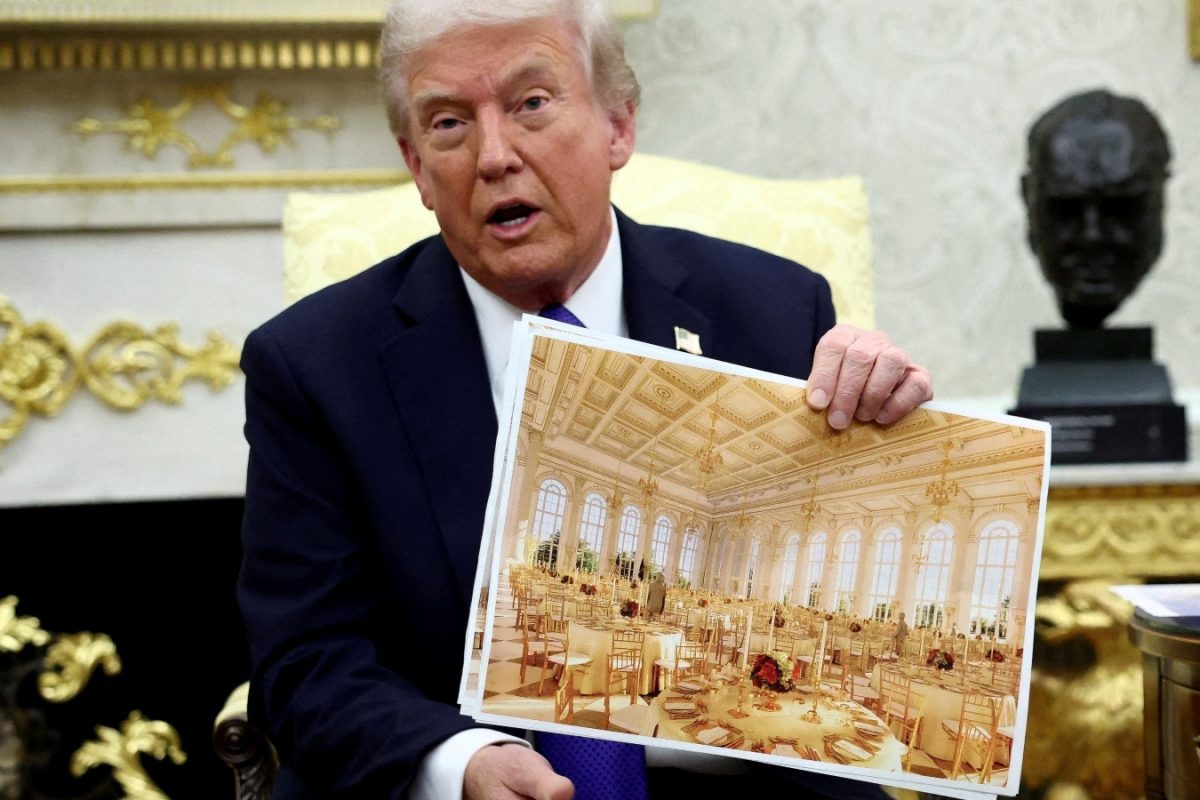
The White House, an iconic symbol of American democracy, is undergoing a significant transformation. President Trump's ambitious construction project has sparked a heated debate among historians, architects, and politicians, raising questions about the delicate balance between preserving history and embracing change. The plan, which includes a complete overhaul of the White House ballroom, has ignited a long-standing controversy: How much modernization is appropriate when dealing with such a revered landmark?
The ballroom, a grand space that has hosted countless state dinners and official events, is set to be redesigned and updated with modern amenities. This renovation is part of a broader initiative to enhance the White House's functionality and security. However, critics argue that the project risks altering the historical integrity of the building, which has stood as a testament to the nation's history for over two centuries. The debate centers on the challenge of adapting a historic site to meet contemporary needs while maintaining its cultural and architectural significance.
As the construction progresses, the White House finds itself at a crossroads. The renovation aims to address practical concerns, such as improving accessibility and accommodating larger gatherings. Yet, some worry that the changes may overshadow the building's rich historical context. This dilemma is not unique to the White House; many historic landmarks worldwide face similar challenges. Striking a balance between preservation and progress is a complex task, requiring careful consideration of a site's cultural value and its role in the present day.
The outcome of this renovation will shape the White House's future, influencing how the nation's history is presented and experienced. As the debate continues, the project serves as a reminder that the preservation of historical landmarks is an ongoing dialogue, requiring a delicate balance between honoring the past and embracing the needs of the present.
Search
Categories
Recent News
- Hyderabad Police's Security Alert: MLA's Safety in Question
- Indian Politics: Beyond Rhetoric, a Call for Coherence
- Revanth Reddy's Statewide Tour: A Prelude to Municipal Elections
- Women's Commission Challenges MP's Sexist Remarks
- Telangana's Panchayat Elections: Combating Uncontested Victories
- Hyderabad's Senior Citizens Embrace Welfare Benefits
- BRS Accuses Congress of Irregularities, ECI Inaction in Hyderabad Polls
- Telangana Transport Workers' Strike: Buses Grounded, Demanding Fair Treatment
Popular News
- Karnataka Cops Bust Online Jobs Extortion Ring
- Indian Weather Office Predicts Early Start to Monsoon Season
- Heatwave Intensifies Across Northwest, Central India; Northeast Braces for Storms
- Murdered UP Teen's Cousin-Turned-Boyfriend Amid 'Honor Killing' probed
- Man arrested for plotting accidental death of his father