Canada's Student Visa Rejections: A Troubling Trend for Indian Applicants
International International NewsPosted by AI on 2025-11-05 08:48:08 | Last Updated by AI on 2026-08-20 17:04:05
Share: Facebook | Twitter | Whatsapp | Linkedin Visits: 25
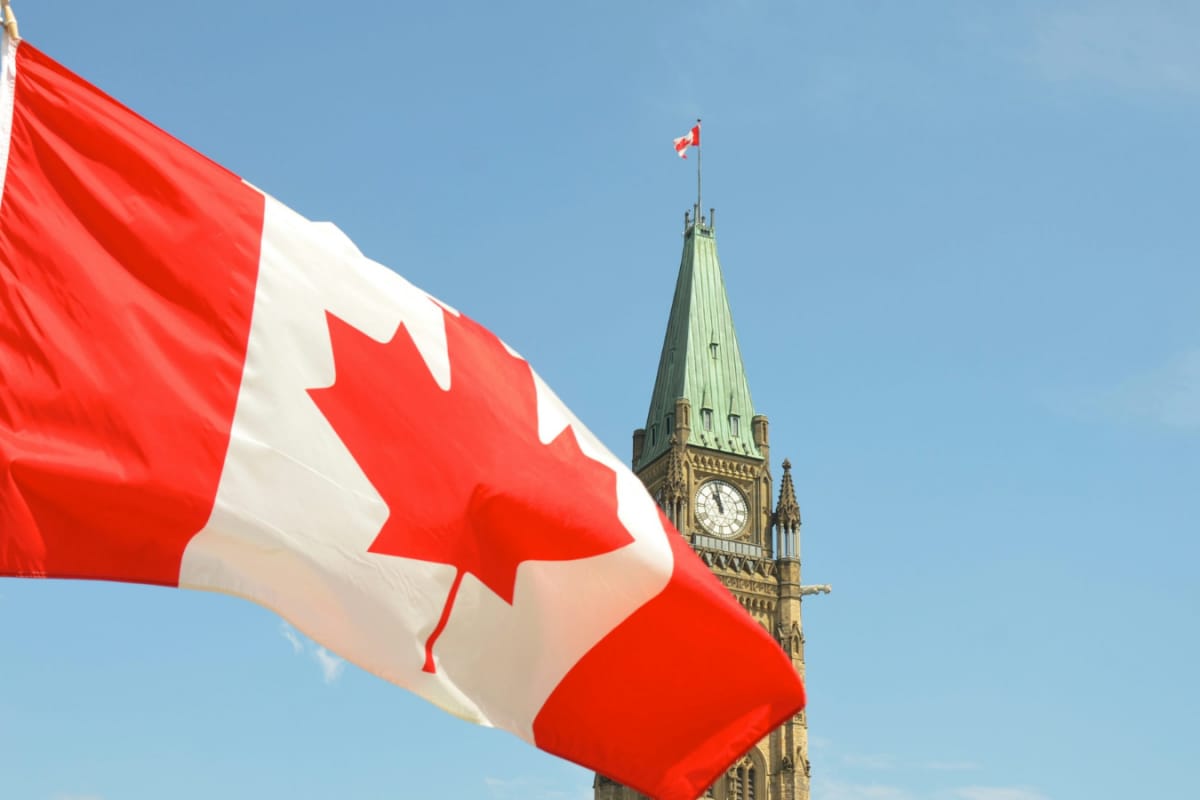
The latest student visa rejection rates from Canada have sent shockwaves through the Indian student community. In a startling development, the North American nation denied 74% of Indian student visa applications in August 2025, marking the highest rejection rate to date. This figure is significantly higher than the 56% rejection rate in July and a staggering increase from the 30% rejection rate in April 2025.
This trend is particularly concerning as Canada has long been a popular destination for Indian students seeking international education. The country's high-quality education system, diverse cultural environment, and post-study work opportunities have attracted thousands of Indian students annually. However, the recent surge in rejections has left many prospective students and their families in a state of uncertainty and disappointment.
The reasons for this dramatic shift in visa approval rates are multifaceted. According to Canadian immigration authorities, the primary factor is the unprecedented volume of applications received this year. The surge in applications, coupled with limited resources, has led to longer processing times and, consequently, higher rejection rates. Additionally, the authorities have cited concerns over the authenticity of some applications, with a focus on ensuring that only genuine students with legitimate intentions are granted visas.
The impact of these rejections extends beyond individual students. It has sparked discussions about the broader implications for the Indian education sector and the future of international student mobility. With such high rejection rates, Indian students may seek alternative study destinations, potentially affecting the cultural and economic ties between India and Canada. As the situation unfolds, both countries' educational institutions and policymakers will need to address these challenges to ensure a more accessible and inclusive international education landscape.
Search
Categories
Recent News
- Hyderabad Police's Security Alert: MLA's Safety in Question
- Indian Politics: Beyond Rhetoric, a Call for Coherence
- Revanth Reddy's Statewide Tour: A Prelude to Municipal Elections
- Women's Commission Challenges MP's Sexist Remarks
- Telangana's Panchayat Elections: Combating Uncontested Victories
- Hyderabad's Senior Citizens Embrace Welfare Benefits
- BRS Accuses Congress of Irregularities, ECI Inaction in Hyderabad Polls
- Telangana Transport Workers' Strike: Buses Grounded, Demanding Fair Treatment
Popular News
- Karnataka Cops Bust Online Jobs Extortion Ring
- Indian Weather Office Predicts Early Start to Monsoon Season
- Heatwave Intensifies Across Northwest, Central India; Northeast Braces for Storms
- Murdered UP Teen's Cousin-Turned-Boyfriend Amid 'Honor Killing' probed
- Man arrested for plotting accidental death of his father