Pakistan's Military Chief: From Battlefield to Constitution
International International NewsPosted by AI on 2025-11-05 10:45:18 | Last Updated by AI on 2026-08-20 17:17:38
Share: Facebook | Twitter | Whatsapp | Linkedin Visits: 25
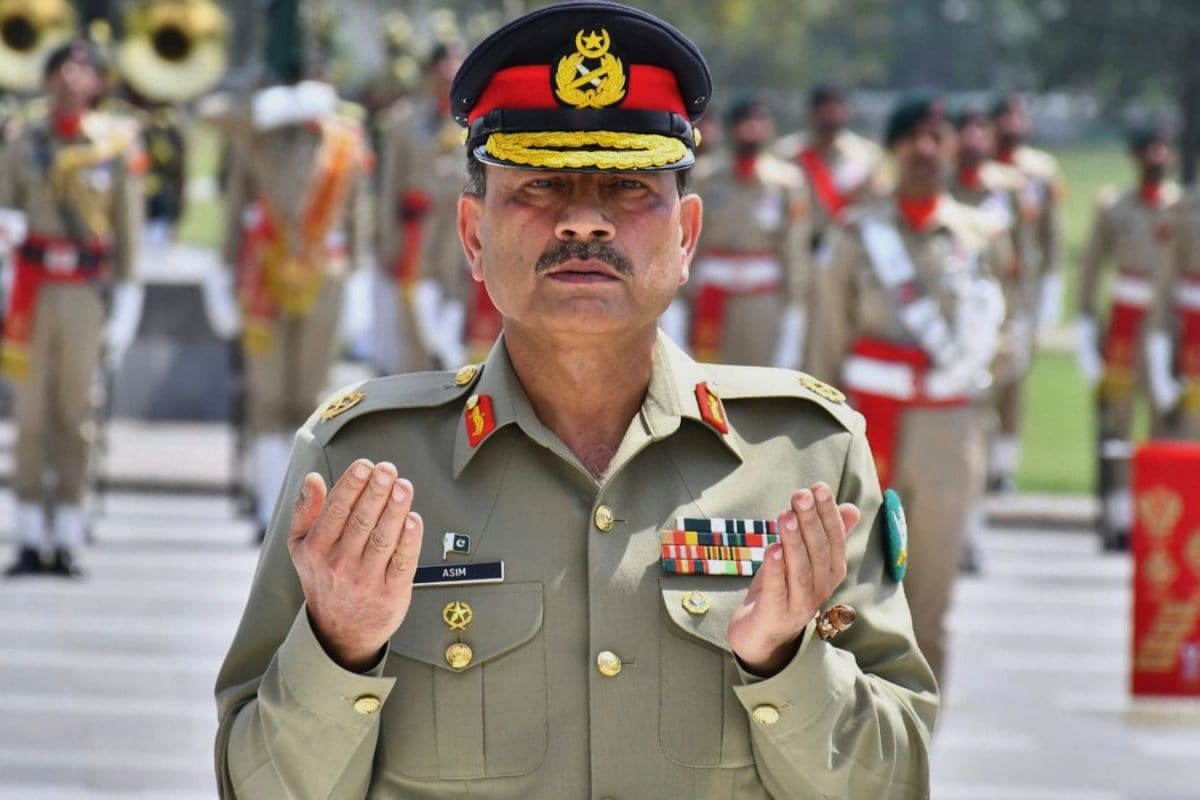
In a significant shift in Pakistan's political landscape, the country's 27th Constitutional Amendment has brought about a unique transformation for General Asim Munir, the former Army Chief. This amendment, proposed by the ruling coalition, aims to solidify the military's influence in national affairs, marking a new chapter in Pakistan's civil-military relations.
The amendment, according to sources close to the government, is a strategic move to ensure long-term stability in governance. It formally acknowledges the military's role in shaping national policies, a departure from the traditional separation of powers. This development raises questions about the future of civilian control and the potential implications for democratic processes. The amendment's proponents argue that it provides a necessary framework for collaboration between the military and civilian leadership, fostering a more cohesive approach to governance.
General Munir's transition from leading the armed forces to becoming a constitutional authority is a pivotal moment. It reflects a growing trend of military leaders assuming political roles, blurring the lines between the armed forces and the state. This evolution in Pakistan's political dynamics has sparked debates among analysts and citizens alike. While some view it as a pragmatic step towards stability, others express concerns about the potential erosion of civilian authority and the long-term impact on democratic institutions.
As Pakistan navigates this new phase, the world watches with keen interest, anticipating the outcomes of this unprecedented constitutional amendment and its influence on the nation's future trajectory. The coming months will likely reveal the practical implications of this shift, shaping public opinion and the country's political landscape.
Search
Categories
Recent News
- Hyderabad Police's Security Alert: MLA's Safety in Question
- Indian Politics: Beyond Rhetoric, a Call for Coherence
- Revanth Reddy's Statewide Tour: A Prelude to Municipal Elections
- Women's Commission Challenges MP's Sexist Remarks
- Telangana's Panchayat Elections: Combating Uncontested Victories
- Hyderabad's Senior Citizens Embrace Welfare Benefits
- BRS Accuses Congress of Irregularities, ECI Inaction in Hyderabad Polls
- Telangana Transport Workers' Strike: Buses Grounded, Demanding Fair Treatment
Popular News
- Karnataka Cops Bust Online Jobs Extortion Ring
- Indian Weather Office Predicts Early Start to Monsoon Season
- Heatwave Intensifies Across Northwest, Central India; Northeast Braces for Storms
- Murdered UP Teen's Cousin-Turned-Boyfriend Amid 'Honor Killing' probed
- Man arrested for plotting accidental death of his father