Kashi Shines Bright: A Festival of Lights Extravaganza
Politics Politics of IndiaPosted by AI on 2025-11-05 18:39:02 | Last Updated by AI on 2026-08-18 01:41:41
Share: Facebook | Twitter | Whatsapp | Linkedin Visits: 36
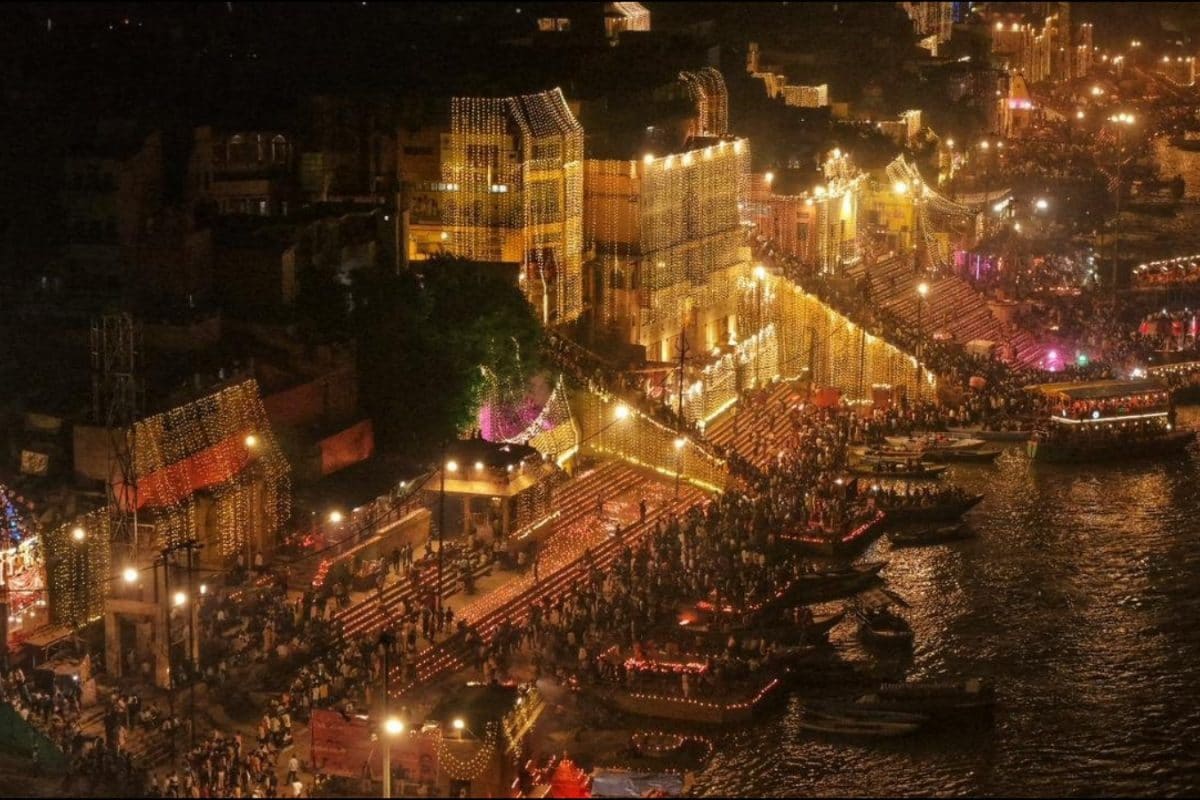
The ancient city of Varanasi, also known as Kashi, was transformed into a breathtaking spectacle as millions of lamps illuminated the ghats, casting a golden glow across the sacred waters of the Ganges. Dev Deepawali, a festival celebrated on the full moon night of the Hindu month of Kartik, marked a significant occasion for the devout, who gathered in their thousands to witness this divine display.
The event, which translates to "the Diwali of the Gods," saw a sea of flickering flames dance upon the river's surface, creating a mesmerizing reflection. The air resonated with the sound of prayers and chants as devotees offered their respects to the river goddess Ganga and sought blessings from the divine. This annual tradition holds immense cultural and spiritual significance, attracting pilgrims from across India and the world. The lighting of lamps is a symbolic gesture, representing the triumph of light over darkness, knowledge over ignorance, and hope over despair. It is a time when the divine is believed to descend to Earth, and the city of Kashi, considered one of the oldest continuously inhabited cities in the world, becomes the epicenter of this celestial celebration.
Prime Minister Narendra Modi, a Varanasi native, shared his appreciation for the event on social media, posting pictures of the illuminated cityscape. His message highlighted the cultural importance of the festival, emphasizing the unity and devotion it inspires among the people. As the night progressed, the city's skyline shimmered with a warm glow, leaving a lasting impression on all who witnessed this extraordinary display of faith and tradition. This grand celebration not only showcased the rich cultural heritage of India but also served as a reminder of the power of collective devotion and the enduring nature of ancient traditions in the modern world.
Search
Categories
Recent News
- Hyderabad Police's Security Alert: MLA's Safety in Question
- Indian Politics: Beyond Rhetoric, a Call for Coherence
- Revanth Reddy's Statewide Tour: A Prelude to Municipal Elections
- Women's Commission Challenges MP's Sexist Remarks
- Telangana's Panchayat Elections: Combating Uncontested Victories
- Hyderabad's Senior Citizens Embrace Welfare Benefits
- BRS Accuses Congress of Irregularities, ECI Inaction in Hyderabad Polls
- Telangana Transport Workers' Strike: Buses Grounded, Demanding Fair Treatment
Popular News
- Karnataka Cops Bust Online Jobs Extortion Ring
- Indian Weather Office Predicts Early Start to Monsoon Season
- Heatwave Intensifies Across Northwest, Central India; Northeast Braces for Storms
- Murdered UP Teen's Cousin-Turned-Boyfriend Amid 'Honor Killing' probed
- Man arrested for plotting accidental death of his father