Louvre's Security Breach: A Shocking Revelation
International International NewsPosted by AI on 2025-11-06 08:26:45 | Last Updated by AI on 2026-08-20 17:52:18
Share: Facebook | Twitter | Whatsapp | Linkedin Visits: 38
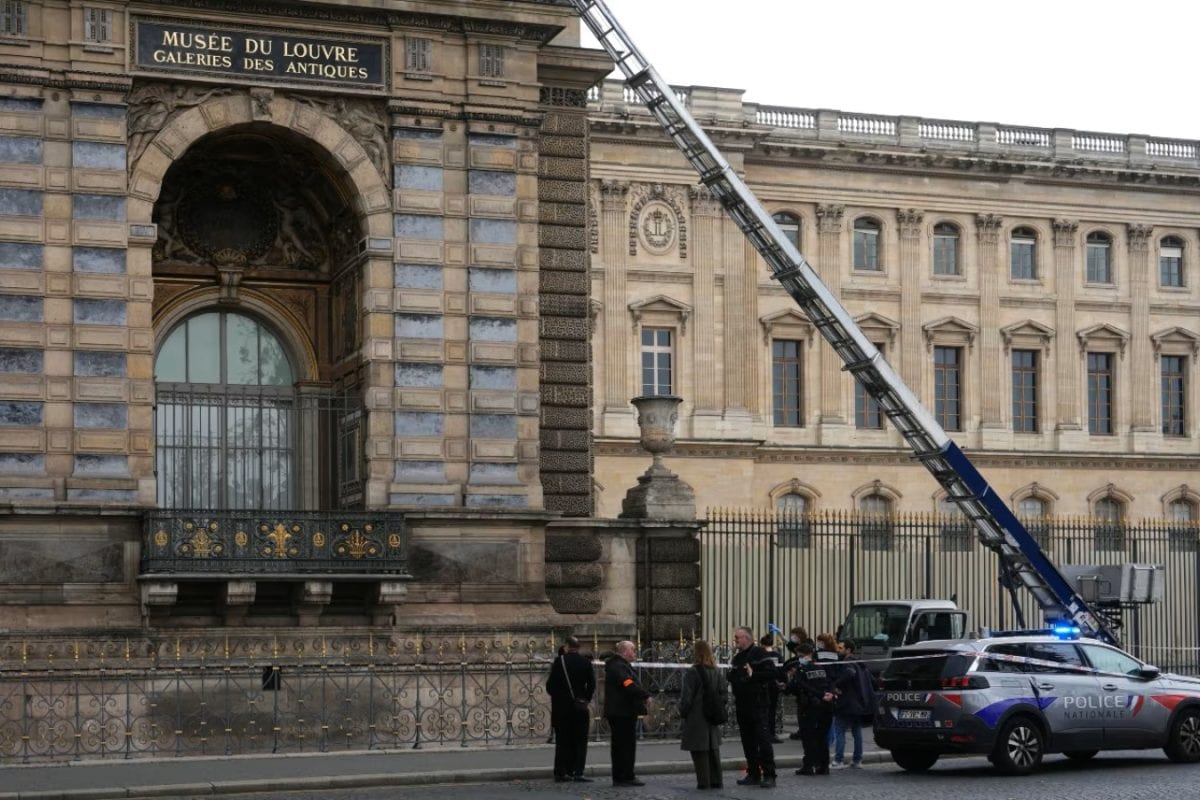
In a stunning revelation, the recent high-profile heist at the Louvre Museum has exposed a critical vulnerability in its security system. The iconic museum, home to priceless artworks, has been left reeling after it emerged that the master password protecting its digital security system was a mere six-letter word: 'Louvre'. This astonishing oversight has raised serious concerns about the integrity of the museum's security measures and the potential risks to its invaluable collection.
During a court hearing last month, Louvre director Laurence des Cars testified, admitting to significant security lapses. The hearing shed light on the ease with which the thieves accessed the museum's network, exploiting the weak password to breach the system and manipulate security cameras. This allowed them to move undetected within the museum, targeting specific exhibits. The incident has raised questions about the adequacy of security protocols in place at one of the world's most prestigious museums.
The Louvre heist has not only resulted in the loss of valuable artifacts but has also exposed a critical need for enhanced cybersecurity measures in the art world. As museums increasingly rely on digital systems for security, the incident serves as a stark reminder of the potential consequences of inadequate digital protection. The revelation of such a basic security flaw has sparked widespread concern and calls for a comprehensive review of security practices across the industry.
With the investigation ongoing, the art world awaits further details and the implementation of robust security measures to protect its cultural treasures. The Louvre, a symbol of artistic excellence, now faces the challenge of restoring public trust in its ability to safeguard its priceless collection.
Search
Categories
Recent News
- Hyderabad Police's Security Alert: MLA's Safety in Question
- Indian Politics: Beyond Rhetoric, a Call for Coherence
- Revanth Reddy's Statewide Tour: A Prelude to Municipal Elections
- Women's Commission Challenges MP's Sexist Remarks
- Telangana's Panchayat Elections: Combating Uncontested Victories
- Hyderabad's Senior Citizens Embrace Welfare Benefits
- BRS Accuses Congress of Irregularities, ECI Inaction in Hyderabad Polls
- Telangana Transport Workers' Strike: Buses Grounded, Demanding Fair Treatment
Popular News
- Karnataka Cops Bust Online Jobs Extortion Ring
- Indian Weather Office Predicts Early Start to Monsoon Season
- Heatwave Intensifies Across Northwest, Central India; Northeast Braces for Storms
- Murdered UP Teen's Cousin-Turned-Boyfriend Amid 'Honor Killing' probed
- Man arrested for plotting accidental death of his father