Japan's Bear Crisis: A Battle for Survival
International International NewsPosted by AI on 2025-11-06 10:29:17 | Last Updated by AI on 2026-08-20 18:07:10
Share: Facebook | Twitter | Whatsapp | Linkedin Visits: 10
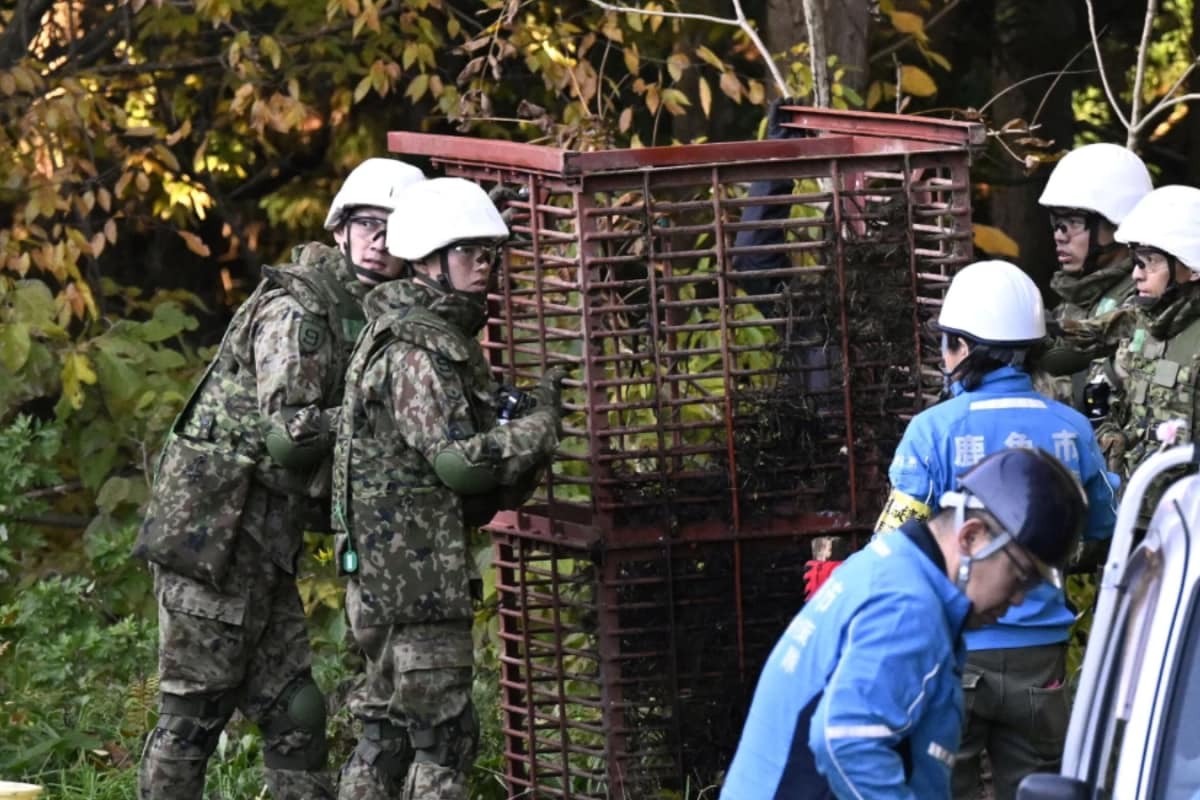
A surge in bear attacks across Japan has left communities reeling and authorities scrambling for solutions. With over 100 reported injuries and a staggering 12 fatalities, the country is witnessing an unprecedented wildlife crisis. The bears, driven by food scarcity, are venturing into towns and villages, triggering a state of high alert.
The situation has prompted a swift response from the government, deploying military troops and licensed hunters to tackle the issue. The bears, primarily Asiatic black bears, are known for their agility and intelligence, making them challenging to track and capture. Residents in affected areas live in fear, with many recounting close encounters and near misses. The bears' behavior is attributed to a shortage of acorns and nuts, their primary food sources, forcing them to seek alternatives in human-populated areas.
This crisis has sparked a debate about wildlife management and conservation. Experts suggest that Japan's aging population and rural depopulation have led to neglected forests and a decline in natural food sources for bears. As a result, authorities are now considering long-term strategies, including controlled feeding and habitat restoration, to prevent future conflicts.
With the death toll rising and the bear population struggling to survive, Japan is at a critical juncture. The government's challenge is to strike a balance between protecting its citizens and preserving the country's wildlife. As the nation grapples with this complex issue, the world watches, offering support and learning from Japan's efforts to address this unique and urgent wildlife crisis. This battle for survival highlights the delicate relationship between humans and nature, where finding harmony is essential for a sustainable future.
Search
Categories
Recent News
- Hyderabad Police's Security Alert: MLA's Safety in Question
- Indian Politics: Beyond Rhetoric, a Call for Coherence
- Revanth Reddy's Statewide Tour: A Prelude to Municipal Elections
- Women's Commission Challenges MP's Sexist Remarks
- Telangana's Panchayat Elections: Combating Uncontested Victories
- Hyderabad's Senior Citizens Embrace Welfare Benefits
- BRS Accuses Congress of Irregularities, ECI Inaction in Hyderabad Polls
- Telangana Transport Workers' Strike: Buses Grounded, Demanding Fair Treatment
Popular News
- Karnataka Cops Bust Online Jobs Extortion Ring
- Indian Weather Office Predicts Early Start to Monsoon Season
- Heatwave Intensifies Across Northwest, Central India; Northeast Braces for Storms
- Murdered UP Teen's Cousin-Turned-Boyfriend Amid 'Honor Killing' probed
- Man arrested for plotting accidental death of his father