Pakistan's Military Reform: A Step Towards Autocracy or National Security?
International International NewsPosted by AI on 2025-11-06 12:55:06 | Last Updated by AI on 2026-08-20 18:07:10
Share: Facebook | Twitter | Whatsapp | Linkedin Visits: 33
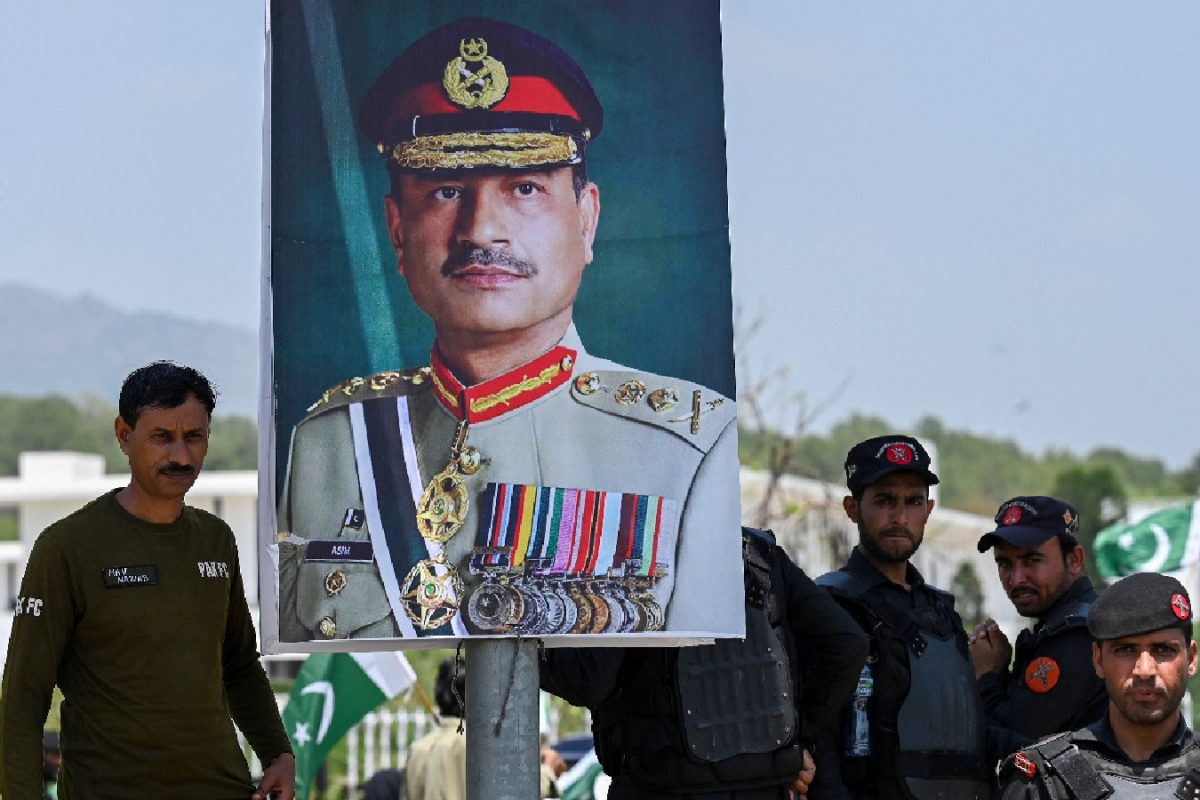
Pakistan's political landscape is abuzz with the proposed 27th Amendment, a move that has sparked intense debate and raised questions about the country's democratic trajectory. With the Pakistan Muslim League-Nawaz (PML-N) pushing for its swift passage, the amendment aims to establish a unified command structure, but critics fear it may pave the way for permanent martial rule.
The PML-N's determination to pass this amendment by mid-November has caught the attention of both domestic and international observers. The party's leadership argues that the amendment is a necessary step towards modernizing Pakistan's defense capabilities and ensuring a more efficient military response to emerging threats. According to a PML-N spokesperson, "The 27th Amendment is a strategic initiative to enhance our national security. It will streamline decision-making processes and enable a more coordinated approach to defense matters."
However, opposition parties and civil society groups have voiced concerns over the potential implications. Critics argue that the amendment could grant the military unprecedented power, blurring the lines between civilian and military authority. The proposed changes include the establishment of a unified command under the Chief of the Army Staff, who would have significant control over the country's defense and security policies. This has led to fears that the amendment may undermine the democratic process and lead to a de facto military rule.
As the debate intensifies, Pakistan's future hangs in the balance. The coming weeks will be crucial in determining whether the 27th Amendment will strengthen national security or shift the country towards a more autocratic governance model. The world watches closely as Pakistan's political forces navigate this critical juncture, with the outcome having far-reaching consequences for the region's political landscape.
Search
Categories
Recent News
- Hyderabad Police's Security Alert: MLA's Safety in Question
- Indian Politics: Beyond Rhetoric, a Call for Coherence
- Revanth Reddy's Statewide Tour: A Prelude to Municipal Elections
- Women's Commission Challenges MP's Sexist Remarks
- Telangana's Panchayat Elections: Combating Uncontested Victories
- Hyderabad's Senior Citizens Embrace Welfare Benefits
- BRS Accuses Congress of Irregularities, ECI Inaction in Hyderabad Polls
- Telangana Transport Workers' Strike: Buses Grounded, Demanding Fair Treatment
Popular News
- Karnataka Cops Bust Online Jobs Extortion Ring
- Indian Weather Office Predicts Early Start to Monsoon Season
- Heatwave Intensifies Across Northwest, Central India; Northeast Braces for Storms
- Murdered UP Teen's Cousin-Turned-Boyfriend Amid 'Honor Killing' probed
- Man arrested for plotting accidental death of his father