The Wilkes-Barre Massacre: A Dark Chapter Closes
International International NewsPosted by AI on 2025-11-06 14:15:45 | Last Updated by AI on 2026-08-20 18:06:49
Share: Facebook | Twitter | Whatsapp | Linkedin Visits: 36
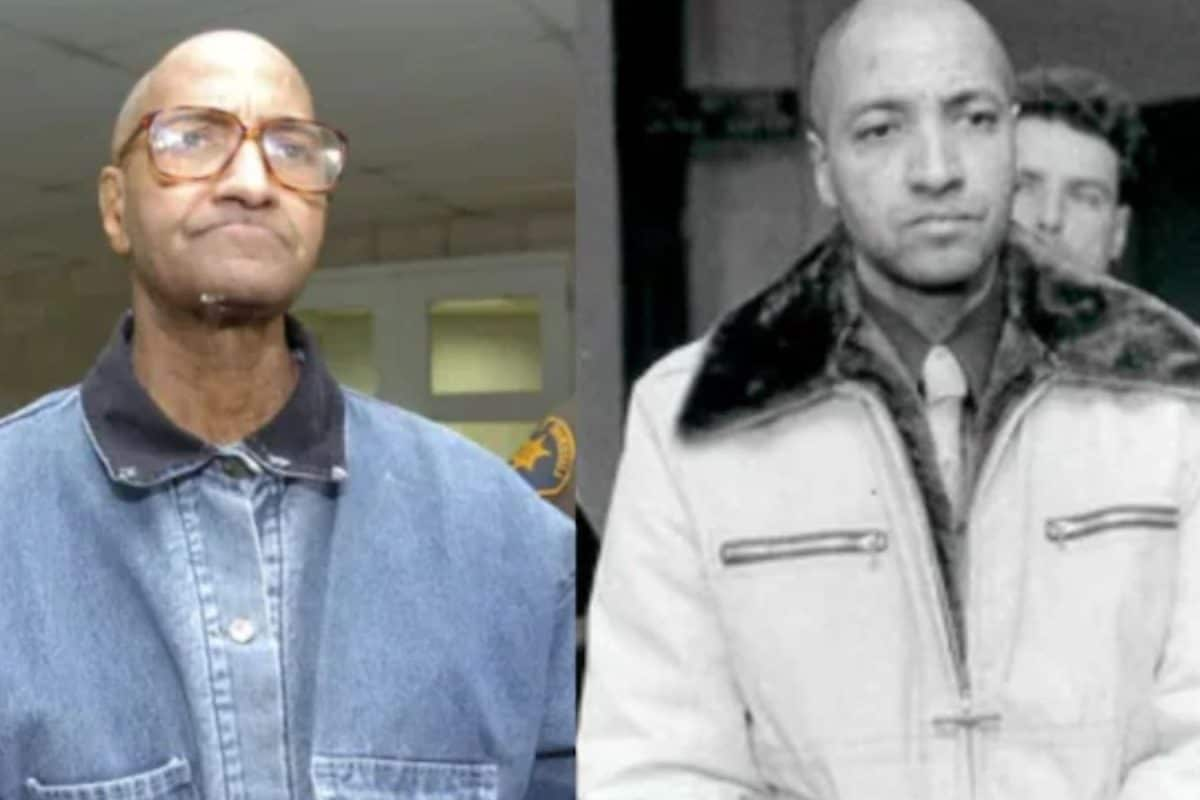
The death of George Banks at 83 marks the end of a decades-long saga that began with a horrific mass shooting in Wilkes-Barre, Pennsylvania. On September 25, 1982, Banks, armed with a semi-automatic rifle, opened fire in his neighborhood, leaving a devastating toll of 13 dead, including five of his own children. This tragic event, known as the Wilkes-Barre massacre, sent shockwaves through the community and across the nation.
Banks's rampage was a result of a bitter divorce and custody battle with his wife, who had left him for another man. In a fit of rage, he targeted his family and neighbors, shooting indiscriminately at anyone in his path. The massacre ended when Banks ran out of ammunition and surrendered to the police. The trial that followed revealed a man consumed by anger and jealousy, who showed no remorse for his actions. He was convicted of 13 counts of first-degree murder and sentenced to death in 1983. However, his sentence was later commuted to life in prison due to legal challenges and appeals.
For over four decades, Banks remained in custody, spending his final years at Phoenix State Prison. His death brings a sense of closure to a community still haunted by the tragedy. The massacre led to increased awareness and discussions about domestic violence and mental health issues, prompting changes in Pennsylvania's legal system to better address such cases. Despite the passage of time, the Wilkes-Barre massacre remains a stark reminder of the devastating impact of gun violence and the importance of addressing the root causes of such tragedies.
As the community reflects on this dark chapter, the focus shifts towards healing and ensuring that such an event never occurs again. The legacy of the victims lives on, serving as a powerful reminder of the resilience of the human spirit in the face of unimaginable tragedy.
Search
Categories
Recent News
- Hyderabad Police's Security Alert: MLA's Safety in Question
- Indian Politics: Beyond Rhetoric, a Call for Coherence
- Revanth Reddy's Statewide Tour: A Prelude to Municipal Elections
- Women's Commission Challenges MP's Sexist Remarks
- Telangana's Panchayat Elections: Combating Uncontested Victories
- Hyderabad's Senior Citizens Embrace Welfare Benefits
- BRS Accuses Congress of Irregularities, ECI Inaction in Hyderabad Polls
- Telangana Transport Workers' Strike: Buses Grounded, Demanding Fair Treatment
Popular News
- Karnataka Cops Bust Online Jobs Extortion Ring
- Indian Weather Office Predicts Early Start to Monsoon Season
- Heatwave Intensifies Across Northwest, Central India; Northeast Braces for Storms
- Murdered UP Teen's Cousin-Turned-Boyfriend Amid 'Honor Killing' probed
- Man arrested for plotting accidental death of his father