The End of a Dark Legacy: George Banks' Final Chapter
International International NewsPosted by AI on 2025-11-06 15:16:08 | Last Updated by AI on 2026-08-20 18:22:48
Share: Facebook | Twitter | Whatsapp | Linkedin Visits: 40
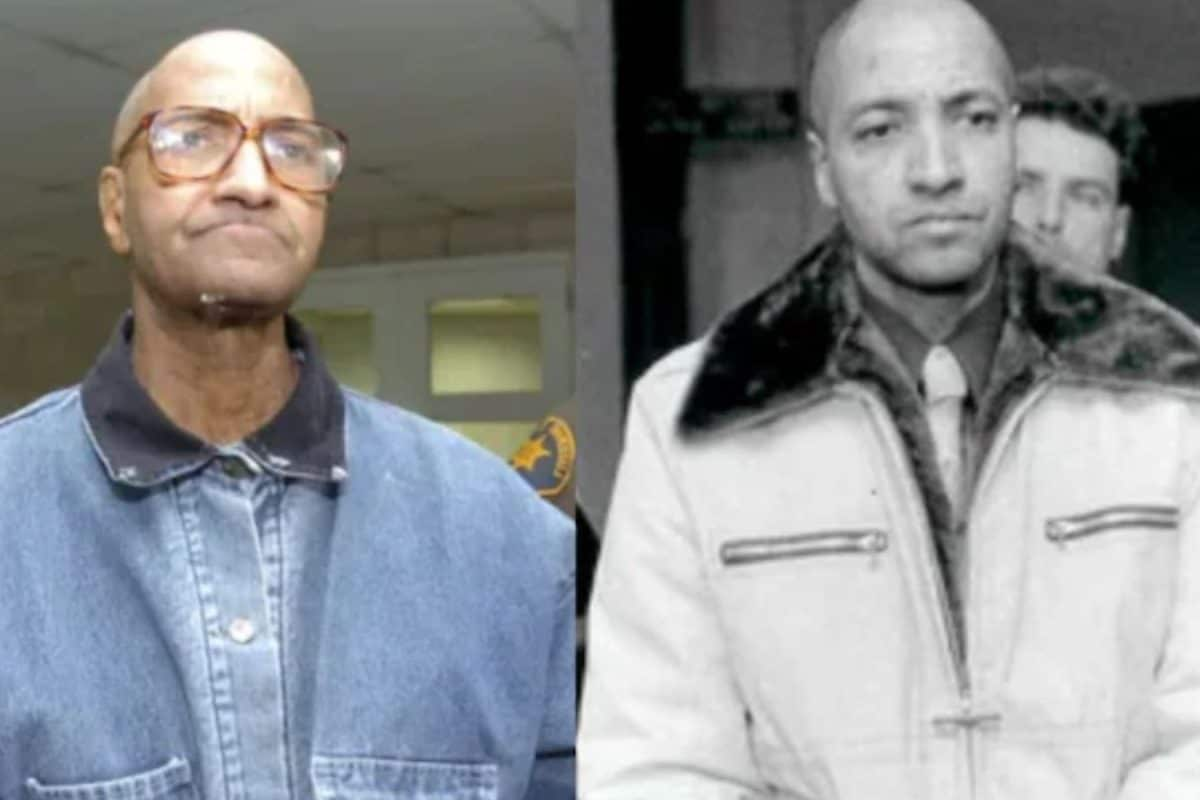
The notorious name of George Banks, synonymous with one of Pennsylvania's darkest chapters, has finally faded into history. Banks, who carried out the horrific 1982 Wilkes-Barre massacre, taking the lives of 13 people, including his five children, has died at the age of 83 while serving his sentence at Phoenix State Prison. This marks the end of a long and tragic story that has haunted the community for decades.
On a fateful day in September 1982, Banks, armed with a rifle and a shotgun, embarked on a deadly rampage in his hometown of Wilkes-Barre. In a matter of minutes, he gunned down 13 innocent people, including his own children, aged 5 to 13, and his pregnant ex-wife. The massacre shocked the nation and left the small community reeling. The motive behind the killings remains a subject of speculation, with some attributing it to a custody battle and others suggesting mental health issues.
For over four decades, Banks has been behind bars, serving a life sentence without the possibility of parole. His case has been a constant reminder of the devastating impact of gun violence and the fragility of human life. The massacre sparked debates about gun control and mental health awareness, leading to some legislative changes but also leaving many questions unanswered. Despite the years that have passed, the tragedy remains a sensitive topic for the survivors and the families of the victims.
As Banks' life comes to an end, so does a significant chapter in Pennsylvania's history. While his death may bring a sense of closure to some, it also serves as a stark reminder of the enduring scars left by such heinous crimes. The legacy of the Wilkes-Barre massacre continues to shape conversations around gun violence prevention and the importance of addressing mental health concerns.
Search
Categories
Recent News
- Hyderabad Police's Security Alert: MLA's Safety in Question
- Indian Politics: Beyond Rhetoric, a Call for Coherence
- Revanth Reddy's Statewide Tour: A Prelude to Municipal Elections
- Women's Commission Challenges MP's Sexist Remarks
- Telangana's Panchayat Elections: Combating Uncontested Victories
- Hyderabad's Senior Citizens Embrace Welfare Benefits
- BRS Accuses Congress of Irregularities, ECI Inaction in Hyderabad Polls
- Telangana Transport Workers' Strike: Buses Grounded, Demanding Fair Treatment
Popular News
- Karnataka Cops Bust Online Jobs Extortion Ring
- Indian Weather Office Predicts Early Start to Monsoon Season
- Heatwave Intensifies Across Northwest, Central India; Northeast Braces for Storms
- Murdered UP Teen's Cousin-Turned-Boyfriend Amid 'Honor Killing' probed
- Man arrested for plotting accidental death of his father