US-Venezuela Tensions: A Legal Conundrum
International International NewsPosted by AI on 2025-11-06 17:40:08 | Last Updated by AI on 2026-08-20 18:39:44
Share: Facebook | Twitter | Whatsapp | Linkedin Visits: 40
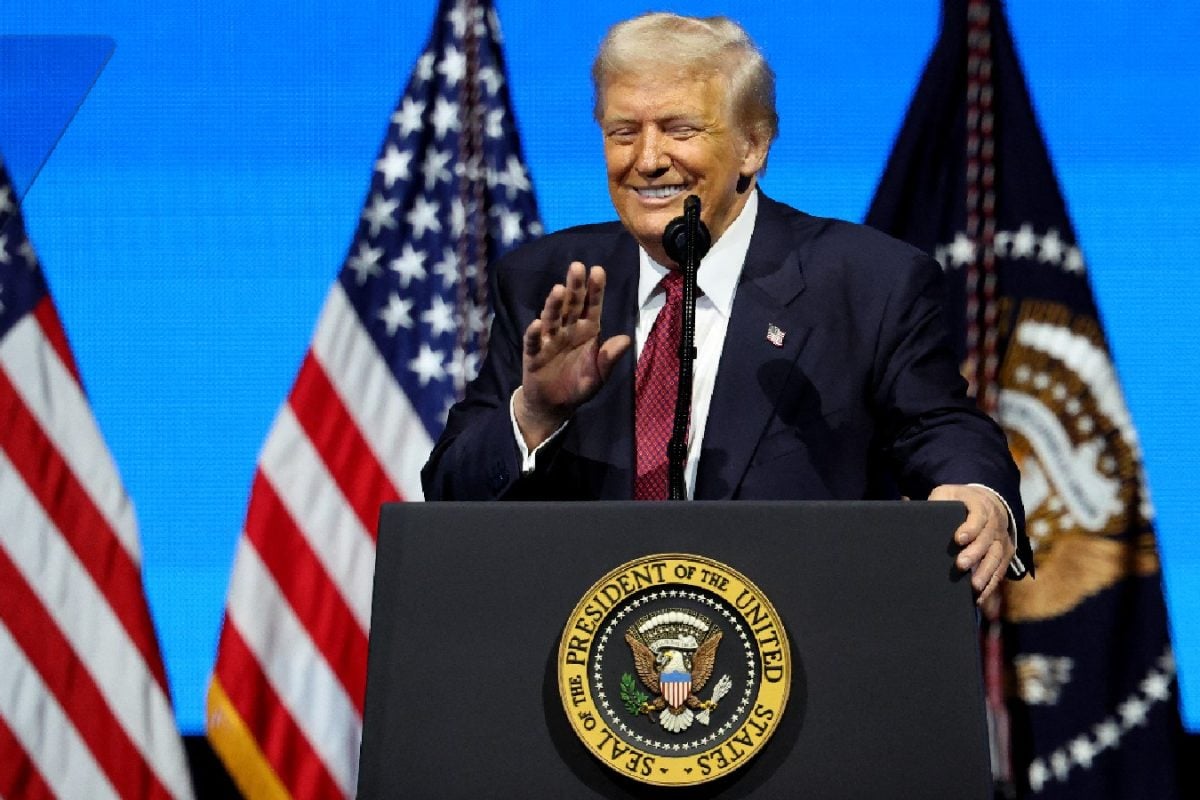
The Trump administration's recent request for legal justification to strike Venezuela has raised eyebrows and sparked intense debate. With the administration's eyes set on potential military action, a critical question emerges: Can the executive branch launch strikes against a sovereign nation without congressional approval?
The administration's move is a response to the escalating political and economic crisis in Venezuela, where President Nicolas Maduro's government faces mounting international pressure to step down. As tensions rise, the Trump administration is exploring its options, including the possibility of targeted strikes. However, the legal basis for such an action is not as clear-cut as one might assume.
According to sources, the administration has approached the Justice Department for a legal opinion, seeking a way to justify strikes against land targets in Venezuela without the need for congressional approval. This move has stirred controversy, with legal experts and politicians questioning the constitutionality of such an approach. The US Constitution grants Congress the power to declare war, and any military action without its consent could be seen as a violation of this fundamental principle.
As the situation unfolds, the Trump administration's intentions and the legal implications of their actions will be under intense scrutiny. The outcome of this legal debate could significantly impact the future of US-Venezuela relations and set a precedent for executive power in matters of national security. The world watches as this legal conundrum unfolds, with potential consequences for the region's stability and the balance of power in international politics.
Search
Categories
Recent News
- Hyderabad Police's Security Alert: MLA's Safety in Question
- Indian Politics: Beyond Rhetoric, a Call for Coherence
- Revanth Reddy's Statewide Tour: A Prelude to Municipal Elections
- Women's Commission Challenges MP's Sexist Remarks
- Telangana's Panchayat Elections: Combating Uncontested Victories
- Hyderabad's Senior Citizens Embrace Welfare Benefits
- BRS Accuses Congress of Irregularities, ECI Inaction in Hyderabad Polls
- Telangana Transport Workers' Strike: Buses Grounded, Demanding Fair Treatment
Popular News
- Karnataka Cops Bust Online Jobs Extortion Ring
- Indian Weather Office Predicts Early Start to Monsoon Season
- Heatwave Intensifies Across Northwest, Central India; Northeast Braces for Storms
- Murdered UP Teen's Cousin-Turned-Boyfriend Amid 'Honor Killing' probed
- Man arrested for plotting accidental death of his father