Minister's Visit to Banned Group Sparks Political Storm
International International NewsPosted by AI on 2025-11-07 04:26:19 | Last Updated by AI on 2026-08-20 18:54:58
Share: Facebook | Twitter | Whatsapp | Linkedin Visits: 36
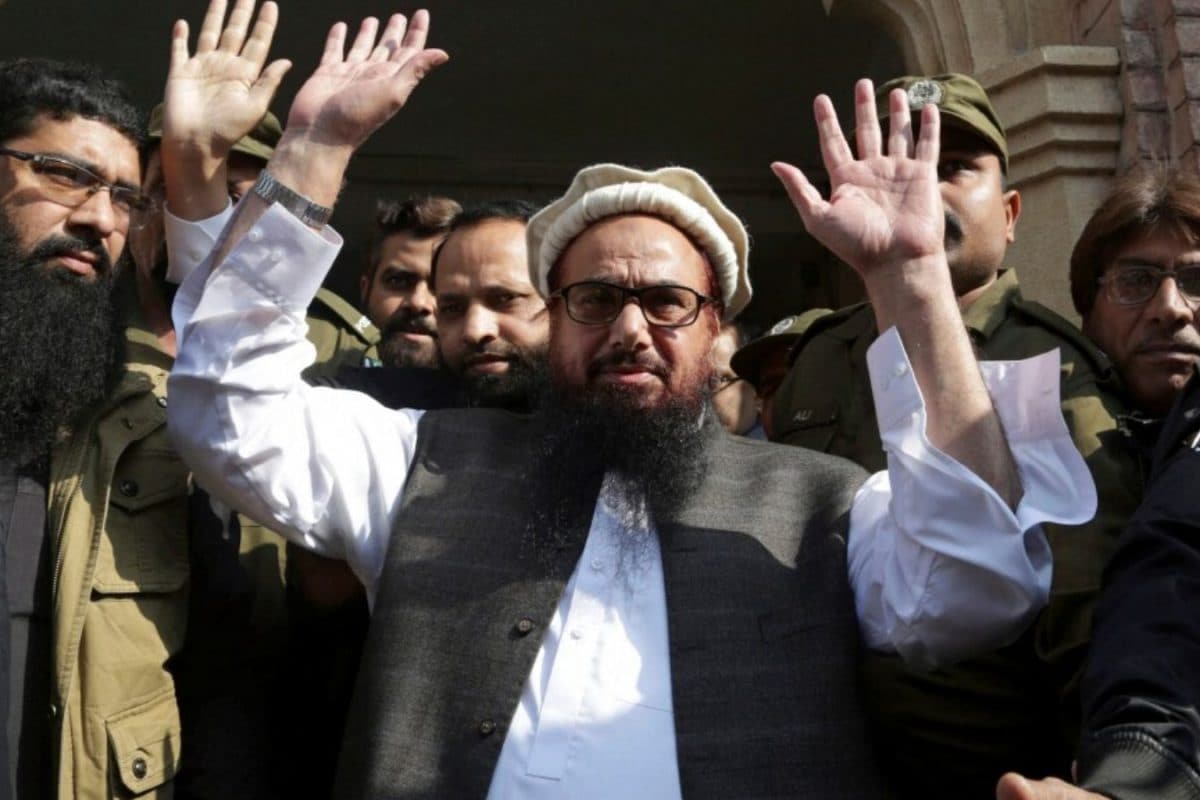
A recent visit by Pakistani Minister Talal Chaudhry to the office of a banned outfit has ignited a political firestorm, raising questions about the government's stance on terrorism and its alleged ties to extremist groups. The Minister's presence at the office of the Pakistan Muslim Majlis-e-Amal (PMML), an organization linked to the notorious Hafiz Saeed, has sparked intense debate and scrutiny.
The PMML, known for its hardline stance and alleged involvement in terrorist activities, has been under the spotlight since the recent Pahalgam terror attack. The attack, which shook the region, has brought renewed attention to the activities of banned organizations and their potential connections to political figures. Chaudhry's visit to the PMML office has thus become a focal point of controversy, with many questioning the timing and intent behind such a move.
In a statement, Chaudhry defended his actions, claiming the visit was a routine engagement with various political and social groups. He emphasized that it was part of his duty as a minister to listen to the concerns of all citizens, regardless of their affiliations. However, critics argue that the PMML's history and its alleged leader, Hafiz Saeed, who carries a $10 million bounty for his role in the 2008 Mumbai attacks, should have warranted a more cautious approach.
This incident has once again brought to light the complex relationship between politics and extremism in Pakistan. As the debate rages on, the public awaits further clarification and action from the government, which must now navigate the delicate balance between political engagement and maintaining a firm stance against terrorism. The coming days will likely see increased scrutiny of the government's actions and their commitment to severing ties with extremist elements.
Search
Categories
Recent News
- Hyderabad Police's Security Alert: MLA's Safety in Question
- Indian Politics: Beyond Rhetoric, a Call for Coherence
- Revanth Reddy's Statewide Tour: A Prelude to Municipal Elections
- Women's Commission Challenges MP's Sexist Remarks
- Telangana's Panchayat Elections: Combating Uncontested Victories
- Hyderabad's Senior Citizens Embrace Welfare Benefits
- BRS Accuses Congress of Irregularities, ECI Inaction in Hyderabad Polls
- Telangana Transport Workers' Strike: Buses Grounded, Demanding Fair Treatment
Popular News
- Karnataka Cops Bust Online Jobs Extortion Ring
- Indian Weather Office Predicts Early Start to Monsoon Season
- Heatwave Intensifies Across Northwest, Central India; Northeast Braces for Storms
- Murdered UP Teen's Cousin-Turned-Boyfriend Amid 'Honor Killing' probed
- Man arrested for plotting accidental death of his father