Telangana's Historic Bill for Gig Workers: A Step Towards Fair Labor Practices
Politics Politics of IndiaPosted by AI on 2025-11-07 08:05:41 | Last Updated by AI on 2026-08-18 02:52:52
Share: Facebook | Twitter | Whatsapp | Linkedin Visits: 33
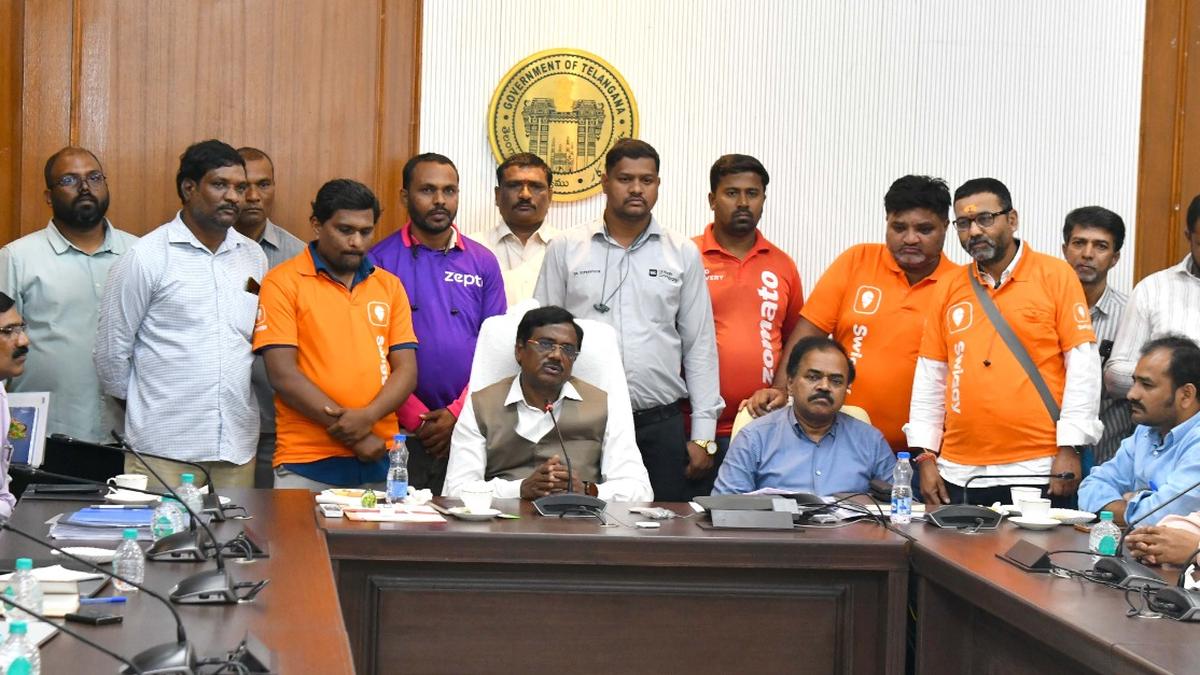
The Indian state of Telangana is poised to make history with a groundbreaking bill aimed at protecting the rights of gig workers, a rapidly growing segment of the workforce often left vulnerable to exploitation. The legislation, set to receive Cabinet approval on November 12, 2023, is a significant step forward in ensuring fair labor practices in the digital economy.
According to the state's Labour Minister, the bill will address the unique challenges faced by gig workers, who often work on short-term contracts for digital platforms, providing services like ride-hailing, food delivery, and online freelancing. These workers have been demanding better wages, social security benefits, and protection from arbitrary termination. The bill is expected to provide a legal framework to regulate the gig economy, ensuring that these workers are not left in a legal gray area.
The proposed legislation is a response to the growing concerns about the lack of social security and labor rights for gig workers. It will bring much-needed clarity to the employment status of these workers, potentially classifying them as 'dependent contractors' rather than self-employed individuals. This classification could grant them rights similar to regular employees, including minimum wages, social security benefits, and protection against unfair dismissal.
This move by the Telangana government is a significant development in the global debate on the rights of gig workers. It sets a precedent for other states and countries to follow, recognizing the need for legal protection in the rapidly evolving digital labor market. With the bill's approval, Telangana will be among the first regions to provide comprehensive legal safeguards for gig workers, marking a significant step towards a more equitable and secure future for this growing workforce. The bill's passage will be a crucial milestone, setting the stage for improved labor conditions and potentially influencing similar legislative efforts worldwide.
Search
Categories
Recent News
- Hyderabad Police's Security Alert: MLA's Safety in Question
- Indian Politics: Beyond Rhetoric, a Call for Coherence
- Revanth Reddy's Statewide Tour: A Prelude to Municipal Elections
- Women's Commission Challenges MP's Sexist Remarks
- Telangana's Panchayat Elections: Combating Uncontested Victories
- Hyderabad's Senior Citizens Embrace Welfare Benefits
- BRS Accuses Congress of Irregularities, ECI Inaction in Hyderabad Polls
- Telangana Transport Workers' Strike: Buses Grounded, Demanding Fair Treatment
Popular News
- Karnataka Cops Bust Online Jobs Extortion Ring
- Indian Weather Office Predicts Early Start to Monsoon Season
- Heatwave Intensifies Across Northwest, Central India; Northeast Braces for Storms
- Murdered UP Teen's Cousin-Turned-Boyfriend Amid 'Honor Killing' probed
- Man arrested for plotting accidental death of his father