China's Rocket Force Expansion: A Growing Network of Military Sites
International International NewsPosted by AI on 2025-11-07 12:26:35 | Last Updated by AI on 2026-08-20 19:25:14
Share: Facebook | Twitter | Whatsapp | Linkedin Visits: 34
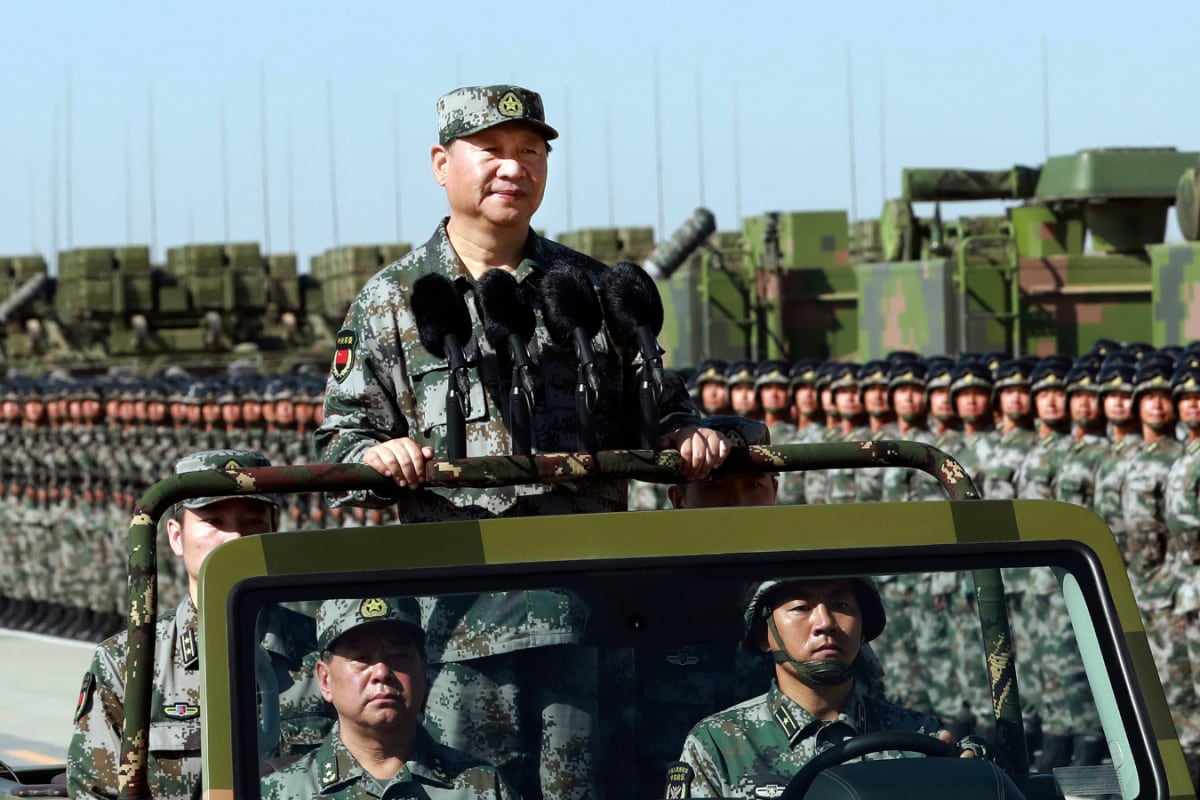
A recent report has shed light on China's rapidly expanding military infrastructure, revealing a significant increase in missile production facilities. Satellite imagery analysis indicates that China's Rocket Force, a strategic arm of the People's Liberation Army, now operates an extensive network of 136 sites dedicated to missile and defence-related activities. What's more striking is that over 60% of these sites have undergone major expansions in the last five years, showcasing a concerted effort to bolster military capabilities.
This expansion is not just about numbers; it's a strategic move with potential global implications. The sites are not merely production facilities but integral components of a comprehensive military network. These locations include launch pads, research and development centres, and storage facilities, all interconnected to ensure a robust and efficient military operation. The expansion suggests a multi-faceted approach to enhancing China's military prowess, from technological advancements to logistical improvements.
The satellite images provide a rare glimpse into China's strategic priorities. The rapid growth of these facilities raises questions about the country's military intentions and the potential impact on regional and global security dynamics. As China continues to invest in its Rocket Force, the world watches with a keen eye, anticipating the geopolitical consequences of this expanding military footprint.
The report's revelations underscore the importance of monitoring such developments, especially in a region known for its complex geopolitical landscape. As China's military capabilities grow, so does the need for transparent dialogue and strategic engagement to maintain regional stability and global peace. This expansion serves as a reminder that the world is closely observing, and the implications of such military build-up will undoubtedly shape international relations in the years to come.
Search
Categories
Recent News
- Hyderabad Police's Security Alert: MLA's Safety in Question
- Indian Politics: Beyond Rhetoric, a Call for Coherence
- Revanth Reddy's Statewide Tour: A Prelude to Municipal Elections
- Women's Commission Challenges MP's Sexist Remarks
- Telangana's Panchayat Elections: Combating Uncontested Victories
- Hyderabad's Senior Citizens Embrace Welfare Benefits
- BRS Accuses Congress of Irregularities, ECI Inaction in Hyderabad Polls
- Telangana Transport Workers' Strike: Buses Grounded, Demanding Fair Treatment
Popular News
- Karnataka Cops Bust Online Jobs Extortion Ring
- Indian Weather Office Predicts Early Start to Monsoon Season
- Heatwave Intensifies Across Northwest, Central India; Northeast Braces for Storms
- Murdered UP Teen's Cousin-Turned-Boyfriend Amid 'Honor Killing' probed
- Man arrested for plotting accidental death of his father