US Visa Policy: Chronic Illnesses Face New Barriers
International International NewsPosted by AI on 2025-11-08 02:53:04 | Last Updated by AI on 2026-08-20 19:40:53
Share: Facebook | Twitter | Whatsapp | Linkedin Visits: 35
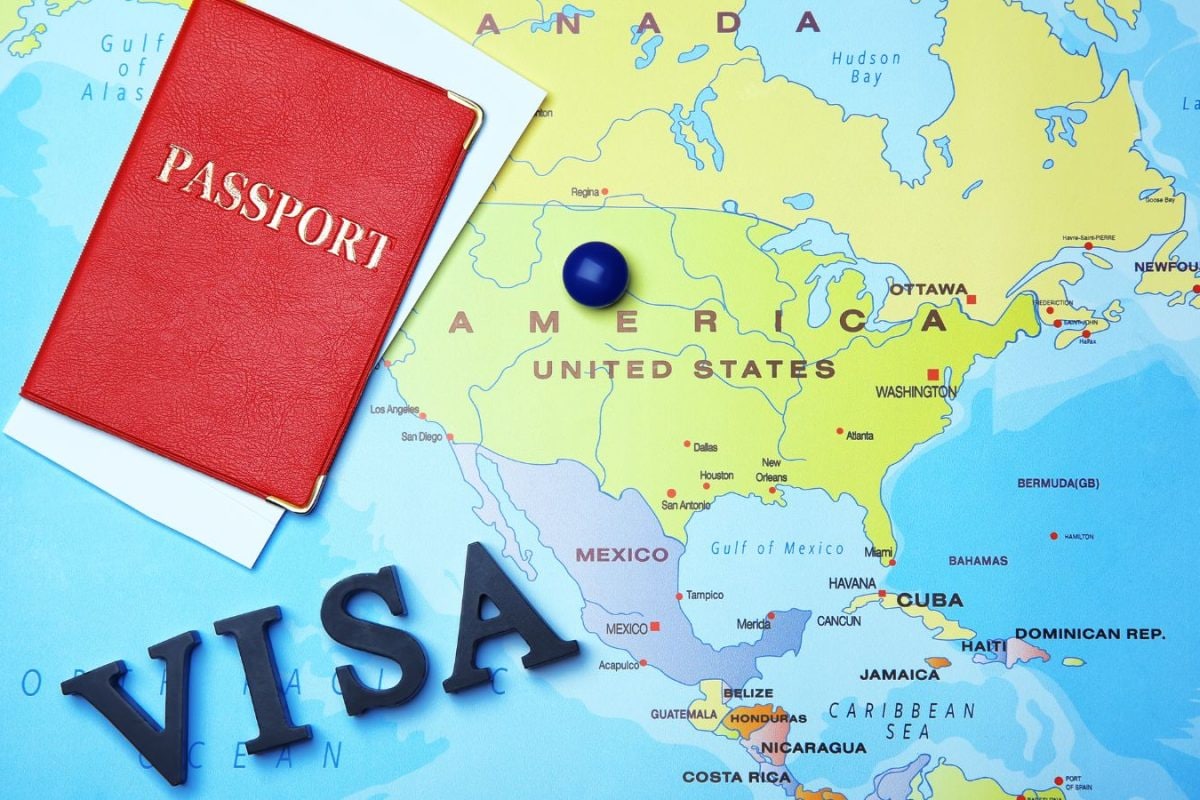
In a move that has sparked controversy and concern, the United States government is set to implement a new visa policy that will significantly impact individuals with chronic medical conditions. The policy, which is expected to come into effect in the coming months, will deny visas to applicants with a range of chronic illnesses, including diabetes, heart disease, and other long-term health issues. This decision has raised questions about the implications for global travel, immigration, and the rights of individuals with medical conditions.
The US State Department, in a recent statement, outlined the rationale behind this policy change. They cited the need to "ensure that immigrants entering the United States do not pose a substantial risk of becoming a public charge." The term 'public charge' refers to an individual who is likely to rely heavily on government assistance, including healthcare services. By denying entry to those with chronic illnesses, the government aims to reduce the potential burden on the country's healthcare system and taxpayers. This approach, however, has been met with criticism from medical professionals and human rights advocates who argue that it discriminates against a vulnerable population.
The impact of this policy will be far-reaching, affecting not only potential immigrants but also international students, temporary workers, and even tourists. Many individuals with chronic illnesses who have long dreamed of visiting or building a life in the US may now be barred from doing so. This decision could also have unintended consequences, discouraging people from seeking medical treatment or disclosing their health conditions, potentially leading to a decline in public health. As the policy's implementation date approaches, the debate intensifies, leaving many to wonder about the future of immigration and the implications for global mobility.
Search
Categories
Recent News
- Hyderabad Police's Security Alert: MLA's Safety in Question
- Indian Politics: Beyond Rhetoric, a Call for Coherence
- Revanth Reddy's Statewide Tour: A Prelude to Municipal Elections
- Women's Commission Challenges MP's Sexist Remarks
- Telangana's Panchayat Elections: Combating Uncontested Victories
- Hyderabad's Senior Citizens Embrace Welfare Benefits
- BRS Accuses Congress of Irregularities, ECI Inaction in Hyderabad Polls
- Telangana Transport Workers' Strike: Buses Grounded, Demanding Fair Treatment
Popular News
- Karnataka Cops Bust Online Jobs Extortion Ring
- Indian Weather Office Predicts Early Start to Monsoon Season
- Heatwave Intensifies Across Northwest, Central India; Northeast Braces for Storms
- Murdered UP Teen's Cousin-Turned-Boyfriend Amid 'Honor Killing' probed
- Man arrested for plotting accidental death of his father