Flight Frustrations: Government Shutdown Grounds US Air Travel
International International NewsPosted by AI on 2025-11-08 07:30:28 | Last Updated by AI on 2026-08-20 19:58:34
Share: Facebook | Twitter | Whatsapp | Linkedin Visits: 41
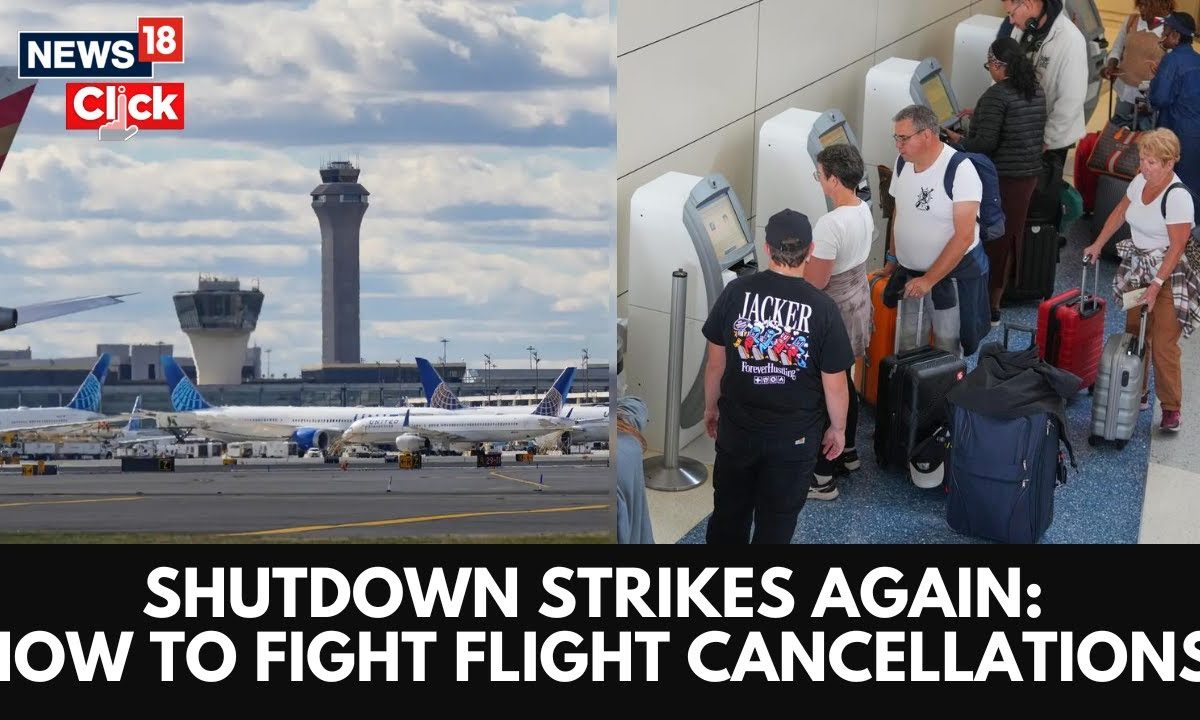
The skies above the United States are in disarray as the government shutdown takes its toll on air travel. With each passing day, the impact on passengers becomes more apparent, causing frustration and uncertainty for travelers across the nation. The Federal Aviation Administration (FAA), a critical agency responsible for air traffic control and safety, is operating with a significantly reduced workforce, leading to a cascade of delays and disruptions.
Thousands of flights have been affected, leaving passengers stranded at airports for hours, if not days. The ripple effect of this crisis is evident as airlines struggle to manage the chaos. Long lines at security checkpoints and customer service desks have become the new norm, testing the patience of travelers already weary from the holiday season. The situation is particularly dire for those with connecting flights, as missed connections due to delays have become a common occurrence.
The shutdown's impact on aviation is not limited to passengers alone. Airlines are facing significant operational challenges, with many flights being canceled or rerouted. This not only affects the travel plans of thousands but also has financial implications for the industry. The economic fallout is likely to be substantial, with airlines potentially losing millions due to the disruption. As the shutdown continues, the aviation industry, along with frustrated travelers, eagerly awaits a resolution to this unprecedented crisis.
As the nation watches, the question remains: how long will it take for the skies to clear and for air travel to resume its normal rhythm? The answer lies in the hands of policymakers, who must act swiftly to end the shutdown and alleviate the suffering of both the aviation industry and the traveling public.
Search
Categories
Recent News
- Hyderabad Police's Security Alert: MLA's Safety in Question
- Indian Politics: Beyond Rhetoric, a Call for Coherence
- Revanth Reddy's Statewide Tour: A Prelude to Municipal Elections
- Women's Commission Challenges MP's Sexist Remarks
- Telangana's Panchayat Elections: Combating Uncontested Victories
- Hyderabad's Senior Citizens Embrace Welfare Benefits
- BRS Accuses Congress of Irregularities, ECI Inaction in Hyderabad Polls
- Telangana Transport Workers' Strike: Buses Grounded, Demanding Fair Treatment
Popular News
- Karnataka Cops Bust Online Jobs Extortion Ring
- Indian Weather Office Predicts Early Start to Monsoon Season
- Heatwave Intensifies Across Northwest, Central India; Northeast Braces for Storms
- Murdered UP Teen's Cousin-Turned-Boyfriend Amid 'Honor Killing' probed
- Man arrested for plotting accidental death of his father