Climate Talks Infiltrated: Fossil Fuel Lobbyists' Massive Presence at the UN
International International NewsPosted by AI on 2025-11-08 11:22:10 | Last Updated by AI on 2026-08-20 19:58:10
Share: Facebook | Twitter | Whatsapp | Linkedin Visits: 36
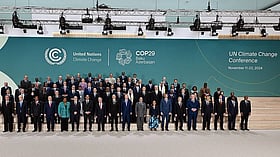
A recent investigation has unveiled a startling revelation about the influence of the fossil fuel industry within the United Nations climate change negotiations. Over a four-year period, from 2021 to 2024, a staggering 5,350 lobbyists, associated with at least 859 coal, oil, and gas organizations, have been granted access to these pivotal climate talks. This figure, equivalent to an average of 1,337 lobbyists per year, raises serious concerns about the potential sway these industry representatives may have on global climate policy.
The presence of such a substantial number of fossil fuel advocates at the UN climate summit is particularly concerning, given the industry's vested interests in maintaining the status quo. These lobbyists, representing some of the world's largest polluters, have the potential to shape the narrative and outcomes of these critical negotiations. Their involvement raises questions about the integrity of the decision-making process and the extent to which it reflects the urgency of the climate crisis.
This investigation highlights the need for increased transparency and accountability in the UN climate talks. As the world grapples with the escalating impacts of climate change, it is imperative that the voices of those most affected are not drowned out by powerful industry lobbyists. The UN must ensure that its climate negotiations are not compromised by special interests, and instead, prioritize the global transition to a sustainable, low-carbon future.
The findings of this research serve as a stark reminder of the ongoing struggle between the fossil fuel industry and the global efforts to combat climate change. As the UN continues to play a pivotal role in shaping international climate policy, the world watches with anticipation, hoping for a future where the voices of sustainability and environmental protection prevail.
Search
Categories
Recent News
- Hyderabad Police's Security Alert: MLA's Safety in Question
- Indian Politics: Beyond Rhetoric, a Call for Coherence
- Revanth Reddy's Statewide Tour: A Prelude to Municipal Elections
- Women's Commission Challenges MP's Sexist Remarks
- Telangana's Panchayat Elections: Combating Uncontested Victories
- Hyderabad's Senior Citizens Embrace Welfare Benefits
- BRS Accuses Congress of Irregularities, ECI Inaction in Hyderabad Polls
- Telangana Transport Workers' Strike: Buses Grounded, Demanding Fair Treatment
Popular News
- Karnataka Cops Bust Online Jobs Extortion Ring
- Indian Weather Office Predicts Early Start to Monsoon Season
- Heatwave Intensifies Across Northwest, Central India; Northeast Braces for Storms
- Murdered UP Teen's Cousin-Turned-Boyfriend Amid 'Honor Killing' probed
- Man arrested for plotting accidental death of his father