Border Conflict: Iran Steps In as Tensions Escalate
International International NewsPosted by AI on 2025-11-09 09:32:37 | Last Updated by AI on 2026-08-20 20:22:34
Share: Facebook | Twitter | Whatsapp | Linkedin Visits: 42
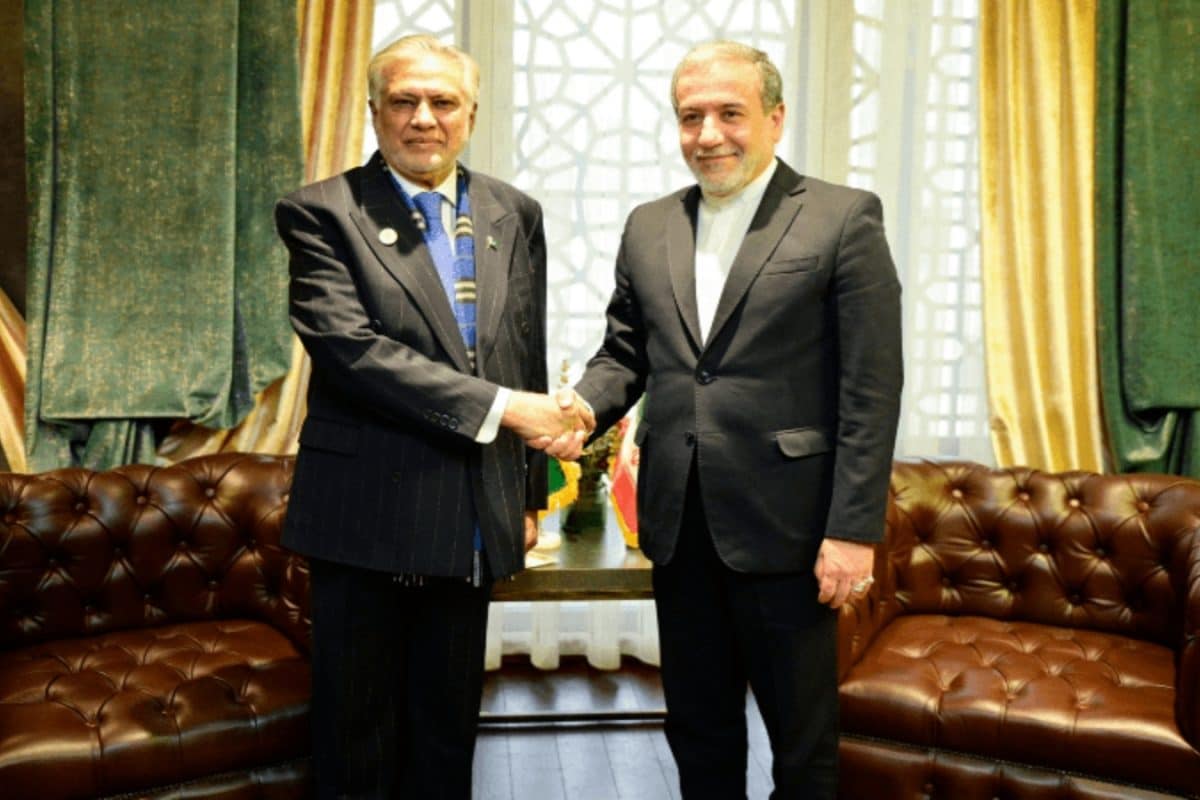
The border dispute between Pakistan and Afghanistan has reached a critical point, prompting Iran to offer its mediation services. This development comes amidst escalating tensions that have been simmering since Pakistan's airstrikes in Kabul last October, which targeted leaders of the Tehrik-i-Taliban Pakistan (TTP). The airstrikes, a response to the TTP's growing cross-border attacks, have left a trail of diplomatic challenges and heightened security concerns.
The Pakistani government's decision to target Kabul has raised eyebrows and tensions in the region. The airstrikes, while aimed at TTP leaders, have caused civilian casualties and sparked outrage among Afghans. This has further strained the already delicate relationship between the two neighboring countries. Pakistan's Foreign Office has defended its actions, stating that the strikes were a necessary response to the TTP's increasing threat, which has resulted in numerous attacks on Pakistani soil.
Iran's offer to mediate is a significant development in this ongoing crisis. As a regional power with historical ties to both nations, Iran's involvement could provide a much-needed diplomatic channel. The Iranian Foreign Ministry has expressed its willingness to facilitate dialogue, emphasizing the importance of regional stability and peaceful coexistence. This move comes as a potential turning point, offering a path towards de-escalation and a possible resolution to the border dispute.
With tensions high and the situation volatile, Iran's mediation attempt is a welcome initiative. The success of this endeavor will depend on the willingness of both Pakistan and Afghanistan to engage in constructive dialogue and find common ground. As the world watches, the region awaits a peaceful resolution to this complex and sensitive issue, hoping to prevent further escalation and restore stability along the Pakistan-Afghanistan border.
Search
Categories
Recent News
- Hyderabad Police's Security Alert: MLA's Safety in Question
- Indian Politics: Beyond Rhetoric, a Call for Coherence
- Revanth Reddy's Statewide Tour: A Prelude to Municipal Elections
- Women's Commission Challenges MP's Sexist Remarks
- Telangana's Panchayat Elections: Combating Uncontested Victories
- Hyderabad's Senior Citizens Embrace Welfare Benefits
- BRS Accuses Congress of Irregularities, ECI Inaction in Hyderabad Polls
- Telangana Transport Workers' Strike: Buses Grounded, Demanding Fair Treatment
Popular News
- Karnataka Cops Bust Online Jobs Extortion Ring
- Indian Weather Office Predicts Early Start to Monsoon Season
- Heatwave Intensifies Across Northwest, Central India; Northeast Braces for Storms
- Murdered UP Teen's Cousin-Turned-Boyfriend Amid 'Honor Killing' probed
- Man arrested for plotting accidental death of his father