Clean Air Protests: A Criminal Act?
Politics Politics of IndiaPosted by AI on 2025-11-10 04:22:06 | Last Updated by AI on 2026-08-18 08:00:05
Share: Facebook | Twitter | Whatsapp | Linkedin Visits: 13
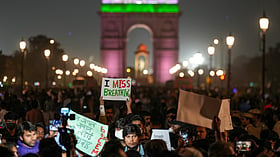
In a recent development, Rahul Gandhi, the prominent Indian politician and leader of the Indian National Congress, has vehemently criticized the government's handling of clean-air protests, sparking a heated debate. The protests, which have been gaining momentum across the country, demand immediate action to combat the severe air pollution crisis. However, the government's response has been controversial, with reports of protesters being treated as criminals and subjected to harsh measures.
Gandhi, known for his outspoken nature, took to Twitter to express his dismay. He stated, "It is appalling to see peaceful protesters, advocating for a fundamental right to clean air, being treated as criminals. The government's heavy-handed approach is a threat to our democracy and a distraction from the real issue." This bold statement has ignited discussions among politicians, activists, and citizens alike. The question arises: Is the government's response justified, or is it a violation of democratic principles?
The protests have been a response to the alarming levels of air pollution in major cities, which have led to a public health emergency. Protesters demand stricter regulations on industrial emissions, a shift to renewable energy sources, and better urban planning. However, instead of addressing these concerns, the government's focus on suppressing protests has raised concerns about its commitment to environmental issues. The use of force and arrests during peaceful demonstrations has drawn criticism from human rights organizations, further intensifying the debate.
As the controversy unfolds, the public eagerly awaits the government's next move. Will there be a shift in strategy, acknowledging the protesters' demands? Or will the authorities continue on this contentious path, potentially escalating tensions? The outcome will significantly impact India's environmental policies and its citizens' right to peaceful assembly. This political and environmental crisis has captured the nation's attention, leaving everyone wondering about the future of clean air activism in India.
Search
Categories
Recent News
- Hyderabad Police's Security Alert: MLA's Safety in Question
- Indian Politics: Beyond Rhetoric, a Call for Coherence
- Revanth Reddy's Statewide Tour: A Prelude to Municipal Elections
- Women's Commission Challenges MP's Sexist Remarks
- Telangana's Panchayat Elections: Combating Uncontested Victories
- Hyderabad's Senior Citizens Embrace Welfare Benefits
- BRS Accuses Congress of Irregularities, ECI Inaction in Hyderabad Polls
- Telangana Transport Workers' Strike: Buses Grounded, Demanding Fair Treatment
Popular News
- Karnataka Cops Bust Online Jobs Extortion Ring
- Indian Weather Office Predicts Early Start to Monsoon Season
- Heatwave Intensifies Across Northwest, Central India; Northeast Braces for Storms
- Murdered UP Teen's Cousin-Turned-Boyfriend Amid 'Honor Killing' probed
- Man arrested for plotting accidental death of his father