Bihar's Electoral Showdown: 1,302 Candidates Vie for 122 Seats
Politics Politics of IndiaPosted by AI on 2025-11-10 08:24:36 | Last Updated by AI on 2026-08-18 08:00:42
Share: Facebook | Twitter | Whatsapp | Linkedin Visits: 41
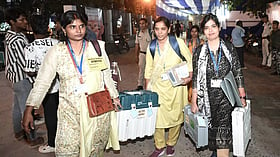
Bihar is gearing up for a highly anticipated second phase of assembly elections, with an extraordinary number of candidates entering the political fray. On November 11, voters will decide the fate of 1,302 candidates across 122 constituencies, marking a significant moment in the state's political landscape. This phase is set to be a crucial test for all major parties, as they navigate the complexities of a crowded electoral field.
The sheer number of candidates is a testament to the intense competition and the diverse political aspirations within the state. Each constituency will witness an average of 11 candidates, ranging from seasoned politicians to newcomers, all vying for the opportunity to represent their respective constituencies. This phase is particularly crucial as it covers a larger geographical area compared to the first phase, including regions with diverse demographics and political inclinations.
With such a vast array of choices, voters are presented with both a challenge and an opportunity. They must carefully consider each candidate's credentials, policies, and track record, if applicable. This phase will likely see intense campaigning and political maneuvering as candidates strive to stand out and capture the attention of the electorate. The outcome of this phase will significantly influence the overall election results and the formation of the next state government.
As Bihar readies itself for this democratic exercise, the nation watches with keen interest. The election results will not only shape the state's political future but also serve as a barometer of public sentiment and the effectiveness of various political strategies employed by the parties. The coming days will be a test of Bihar's electoral machinery and the resilience of its democratic process.
Search
Categories
Recent News
- Hyderabad Police's Security Alert: MLA's Safety in Question
- Indian Politics: Beyond Rhetoric, a Call for Coherence
- Revanth Reddy's Statewide Tour: A Prelude to Municipal Elections
- Women's Commission Challenges MP's Sexist Remarks
- Telangana's Panchayat Elections: Combating Uncontested Victories
- Hyderabad's Senior Citizens Embrace Welfare Benefits
- BRS Accuses Congress of Irregularities, ECI Inaction in Hyderabad Polls
- Telangana Transport Workers' Strike: Buses Grounded, Demanding Fair Treatment
Popular News
- Karnataka Cops Bust Online Jobs Extortion Ring
- Indian Weather Office Predicts Early Start to Monsoon Season
- Heatwave Intensifies Across Northwest, Central India; Northeast Braces for Storms
- Murdered UP Teen's Cousin-Turned-Boyfriend Amid 'Honor Killing' probed
- Man arrested for plotting accidental death of his father