Politician Demands Transparency: RSS Donations Under Scrutiny
Politics Politics of IndiaPosted by AI on 2025-11-10 08:57:05 | Last Updated by AI on 2026-08-18 07:59:30
Share: Facebook | Twitter | Whatsapp | Linkedin Visits: 41
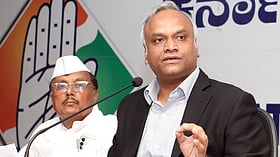
In a recent development, Priyank Kharge, a prominent politician, has raised concerns about the donation practices of the Rashtriya Swayamsevak Sangh (RSS), one of India's largest volunteer organizations. Kharge's inquiry has sparked a debate over the transparency of funding for such influential groups.
The politician's statement, made during a press conference, questioned the RSS's financial operations, specifically their donation collection and utilization. He emphasized the need for transparency, stating, "As a responsible political figure, I believe it is my duty to ensure that organizations with such a significant impact on society operate with transparency and accountability." Kharge's inquiry comes at a time when the RSS's influence in various spheres of Indian society is being closely examined. With its vast network of volunteers and affiliates, the RSS has been a topic of discussion among politicians and the public alike.
The organization's financial aspects have often been a subject of curiosity, given its extensive activities and influence. Kharge's demand for transparency aims to address this curiosity and ensure that the RSS's funding sources and expenditures are open to public scrutiny. This move is significant as it challenges the RSS to provide clarity on its financial operations, which have traditionally been considered less accessible to the public. The politician's initiative has already gained traction, with many citizens and activists echoing the call for transparency. As the discussion gains momentum, it is expected that the RSS will respond to these inquiries, potentially leading to a more open dialogue about the organization's role and impact on India's social and political landscape.
This demand for transparency reflects a broader trend of increased scrutiny of influential organizations and their impact on society. The outcome of this particular case may set a precedent for similar discussions regarding the accountability of powerful entities.
Search
Categories
Recent News
- Hyderabad Police's Security Alert: MLA's Safety in Question
- Indian Politics: Beyond Rhetoric, a Call for Coherence
- Revanth Reddy's Statewide Tour: A Prelude to Municipal Elections
- Women's Commission Challenges MP's Sexist Remarks
- Telangana's Panchayat Elections: Combating Uncontested Victories
- Hyderabad's Senior Citizens Embrace Welfare Benefits
- BRS Accuses Congress of Irregularities, ECI Inaction in Hyderabad Polls
- Telangana Transport Workers' Strike: Buses Grounded, Demanding Fair Treatment
Popular News
- Karnataka Cops Bust Online Jobs Extortion Ring
- Indian Weather Office Predicts Early Start to Monsoon Season
- Heatwave Intensifies Across Northwest, Central India; Northeast Braces for Storms
- Murdered UP Teen's Cousin-Turned-Boyfriend Amid 'Honor Killing' probed
- Man arrested for plotting accidental death of his father