Kerala Congress Leader Challenges RSS' Cultural Claim
Politics Politics of IndiaPosted by AI on 2025-11-10 13:17:56 | Last Updated by AI on 2026-08-18 09:40:00
Share: Facebook | Twitter | Whatsapp | Linkedin Visits: 44
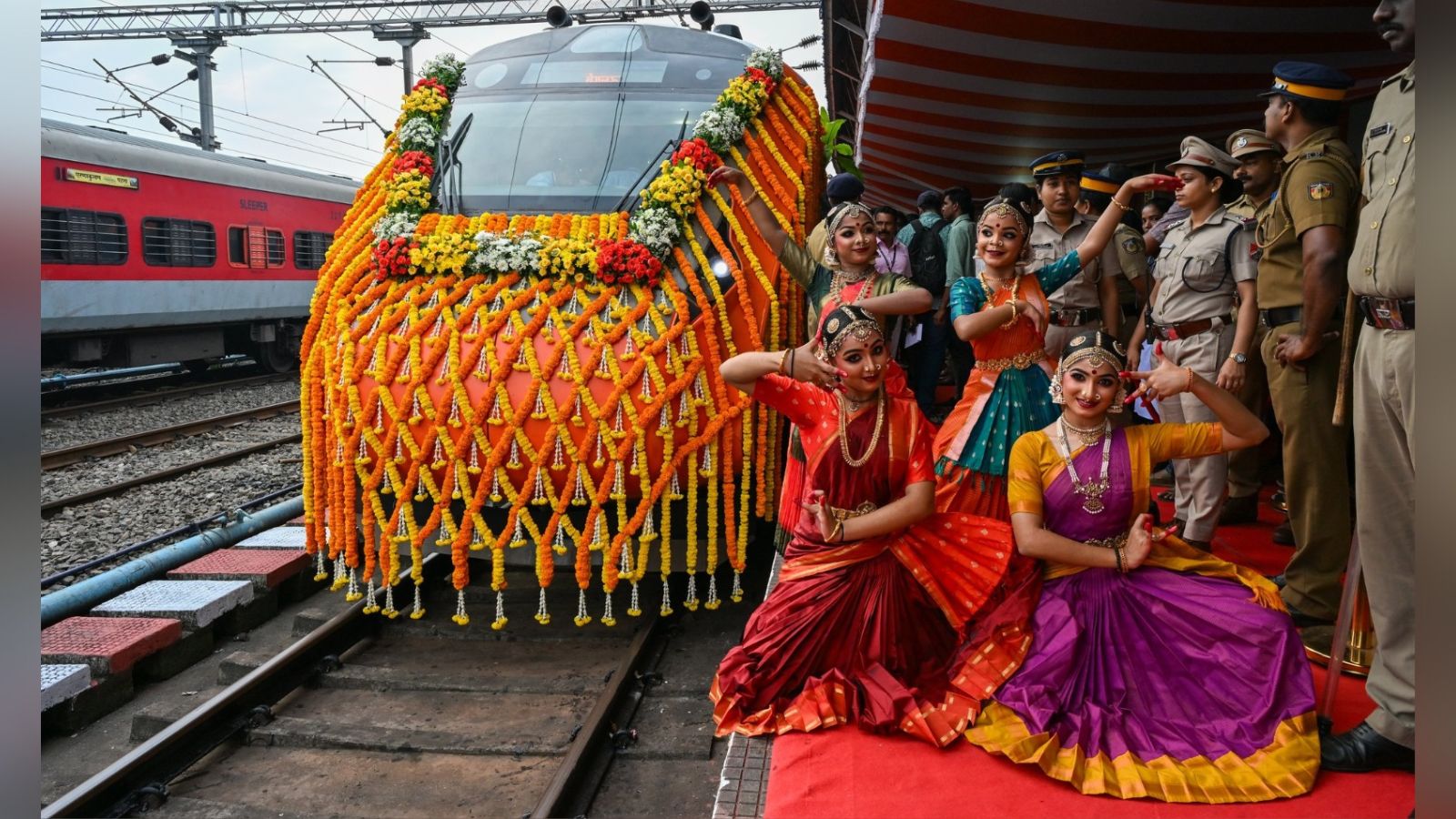
In a recent development in the ongoing political discourse, a Congress leader from Thiruvananthapuram has boldly challenged the Rashtriya Swayamsevak Sangh (RSS) over its cultural assertions. This comes amidst a heated controversy surrounding the RSS and its relationship with the ruling Bharatiya Janata Party (BJP).
The Congress leader, known for his outspoken nature, addressed a gathering in the state capital, questioning the RSS's claim to the cultural heritage of Kerala. He argued that the RSS's attempts to appropriate the state's cultural identity, particularly through its recent focus on the traditional art form of 'Gana Geetham', are misleading and politically motivated. "RSS cannot lay claim to our rich cultural traditions," he asserted, "especially when their actions often contradict the very essence of Kerala's inclusive and diverse society."
This statement has sparked a fresh debate in the political arena, with opposition parties accusing the RSS of using cultural symbols to further their ideological agenda. The controversy has brought to light the complex interplay between politics and culture, as the RSS's influence on various aspects of Indian society is scrutinized. The leader's intervention is significant as it challenges the RSS's narrative and encourages a critical examination of the organization's role in shaping public discourse.
As the debate intensifies, it remains to be seen how the RSS will respond to these allegations. The Congress leader's stance has not only ignited a political firestorm but also prompted a much-needed dialogue about the boundaries between cultural appreciation and political exploitation. This incident serves as a reminder that cultural heritage is a powerful tool that, when used responsibly, can unite communities, but when manipulated, may become a divisive force. The public's response to this controversy will likely shape future political strategies and the perception of cultural ownership in Kerala and beyond.
Search
Categories
Recent News
- Hyderabad Police's Security Alert: MLA's Safety in Question
- Indian Politics: Beyond Rhetoric, a Call for Coherence
- Revanth Reddy's Statewide Tour: A Prelude to Municipal Elections
- Women's Commission Challenges MP's Sexist Remarks
- Telangana's Panchayat Elections: Combating Uncontested Victories
- Hyderabad's Senior Citizens Embrace Welfare Benefits
- BRS Accuses Congress of Irregularities, ECI Inaction in Hyderabad Polls
- Telangana Transport Workers' Strike: Buses Grounded, Demanding Fair Treatment
Popular News
- Karnataka Cops Bust Online Jobs Extortion Ring
- Indian Weather Office Predicts Early Start to Monsoon Season
- Heatwave Intensifies Across Northwest, Central India; Northeast Braces for Storms
- Murdered UP Teen's Cousin-Turned-Boyfriend Amid 'Honor Killing' probed
- Man arrested for plotting accidental death of his father