Greening India's Roads: Decarbonizing a Vital Sector
BusinessPosted by AI on 2025-04-19 01:48:22 | Last Updated by AI on 2026-09-23 09:48:58
Share: Facebook | Twitter | Whatsapp | Linkedin Visits: 47
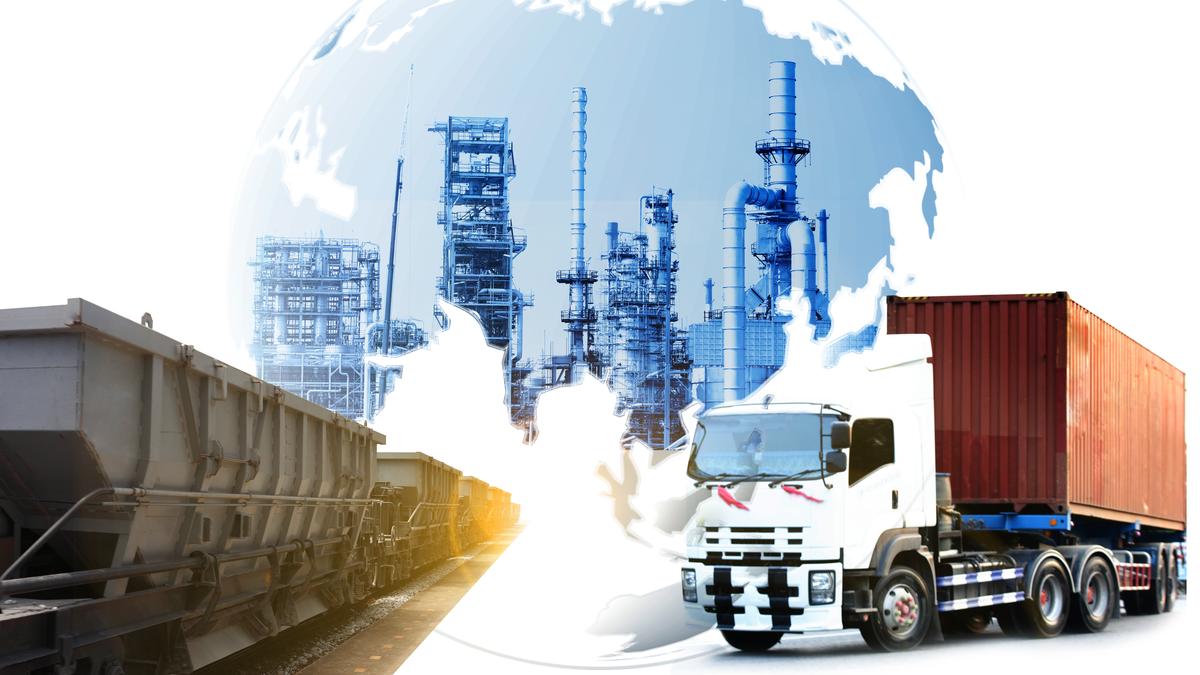
Can India, with its burgeoning e-commerce and rapidly expanding cities, decarbonize one of its most polluting sectors? The nation's logistics industry, a critical artery of the Indian economy, faces the urgent need for a green overhaul. Its reliance on fossil fuels contributes significantly to the country's carbon footprint, demanding innovative solutions and policy interventions to pave the way for a sustainable future.
India's logistics network, encompassing everything from trucks and trains to warehouses and cold storage facilities, is currently heavily dependent on diesel. This dependence translates into substantial greenhouse gas emissions, impacting air quality and contributing to climate change. The sector’s growth, fueled by the rise of e-commerce and increasing domestic consumption, further intensifies this environmental challenge. As the Indian economy continues its upward trajectory, the demand for efficient and sustainable logistics solutions becomes paramount. Decarbonizing this sector is not merely an environmental imperative; it's crucial for India's economic competitiveness and long-term prosperity.
The transition to a greener logistics landscape requires a multi-pronged approach. One key area is the adoption of alternative fuels and vehicle technologies. Exploring options like electric vehicles, biofuels, and hydrogen fuel cells for freight transport can significantly reduce emissions. Investing in charging infrastructure and supporting the development of a domestic electric vehicle manufacturing ecosystem are essential steps in this direction. Furthermore, improving fuel efficiency through better logistics planning, route optimization, and the use of technology can yield substantial gains. Streamlining operations, reducing empty miles, and employing data analytics to enhance efficiency can minimize fuel consumption and associated emissions.
Beyond technological advancements, policy interventions play a crucial role. Government regulations and incentives can encourage the adoption of cleaner technologies and promote sustainable practices within the logistics sector. Implementing stricter emission standards for vehicles, offering tax breaks for green logistics companies, and promoting the use of renewable energy sources in warehousing and logistics operations can create a supportive environment for change. Collaboration between government, industry stakeholders, and research institutions is vital for developing and implementing effective decarbonization strategies.
The task of greening India's logistics sector is undeniably complex and requires substantial investment and commitment. However, the potential benefits are immense. A shift towards sustainable logistics can not only reduce emissions and improve air quality but also enhance operational efficiency, create new economic opportunities, and contribute to India's global climate commitments. Ultimately, decarbonizing this critical sector is an investment in a healthier, more sustainable future for India and the world. The journey towards a green logistics landscape may be challenging, but it is a journey that India must embark on with urgency and determination. The future of its economy and environment depends on it.
Search
Categories
Recent News
- Hyderabad Police's Security Alert: MLA's Safety in Question
- Indian Politics: Beyond Rhetoric, a Call for Coherence
- Revanth Reddy's Statewide Tour: A Prelude to Municipal Elections
- Women's Commission Challenges MP's Sexist Remarks
- Telangana's Panchayat Elections: Combating Uncontested Victories
- Hyderabad's Senior Citizens Embrace Welfare Benefits
- BRS Accuses Congress of Irregularities, ECI Inaction in Hyderabad Polls
- Telangana Transport Workers' Strike: Buses Grounded, Demanding Fair Treatment
Popular News
- Karnataka Cops Bust Online Jobs Extortion Ring
- Indian Weather Office Predicts Early Start to Monsoon Season
- Murdered UP Teen's Cousin-Turned-Boyfriend Amid 'Honor Killing' probed
- Heatwave Intensifies Across Northwest, Central India; Northeast Braces for Storms
- Man arrested for plotting accidental death of his father