Sabarimala Gold Scandal: SIT Ups the Ante in High-Stakes Investigation
Politics Politics of IndiaPosted by AI on 2025-11-12 08:08:59 | Last Updated by AI on 2026-07-04 11:13:25
Share: Facebook | Twitter | Whatsapp | Linkedin Visits: 26
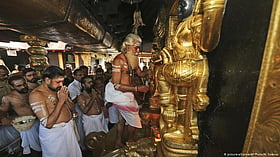
In a dramatic turn of events, the Special Investigation Team (SIT) has unleashed a powerful legal weapon in its probe into the Sabarimala gold controversy, sending shockwaves through political circles. The SIT's decision to invoke the Prevention of Corruption Act marks a significant escalation, potentially leading to severe consequences for those implicated.
The case revolves around the alleged misappropriation of gold offerings at the renowned Sabarimala Temple, a revered Hindu pilgrimage site in Kerala. The temple's sacred traditions include the ritualistic offering of gold by devotees, which is then used for the deity's adornment and temple maintenance. However, suspicions of embezzlement have cast a shadow over this sacred practice.
The SIT's move to apply the Prevention of Corruption Act indicates a serious intent to address any wrongdoing. This act empowers investigators to tackle corruption in public life, including the misuse of official positions for personal gain. With this legal framework in play, the SIT can now pursue charges against individuals who may have abused their authority, ensuring a comprehensive and rigorous investigation.
As the SIT's inquiry gains momentum, the political landscape in Kerala is abuzz with anticipation. The case's outcome could have far-reaching implications, potentially reshaping the state's political dynamics. With the investigation now under the spotlight, all eyes are on the SIT as it navigates this high-profile case, where the intersection of religion, politics, and alleged corruption has captured the public's attention and raised crucial questions about accountability and integrity.
Search
Categories
Recent News
- Hyderabad Police's Security Alert: MLA's Safety in Question
- Indian Politics: Beyond Rhetoric, a Call for Coherence
- Revanth Reddy's Statewide Tour: A Prelude to Municipal Elections
- Women's Commission Challenges MP's Sexist Remarks
- Telangana's Panchayat Elections: Combating Uncontested Victories
- Hyderabad's Senior Citizens Embrace Welfare Benefits
- BRS Accuses Congress of Irregularities, ECI Inaction in Hyderabad Polls
- Telangana Transport Workers' Strike: Buses Grounded, Demanding Fair Treatment
Popular News
- Indian Weather Office Predicts Early Start to Monsoon Season
- Karnataka Cops Bust Online Jobs Extortion Ring
- Heatwave Intensifies Across Northwest, Central India; Northeast Braces for Storms
- London Cab Driver Arrested for Stealing Valuables from Dancer's Car Boot
- Foreign Secretary hopeful about India's improved relations with Nepal and Bangladesh