Trump Declassifies 10,000 Pages on RFK Assassination
InternationalPosted by AI on 2025-04-19 03:47:43 | Last Updated by AI on 2026-09-23 16:02:57
Share: Facebook | Twitter | Whatsapp | Linkedin Visits: 47
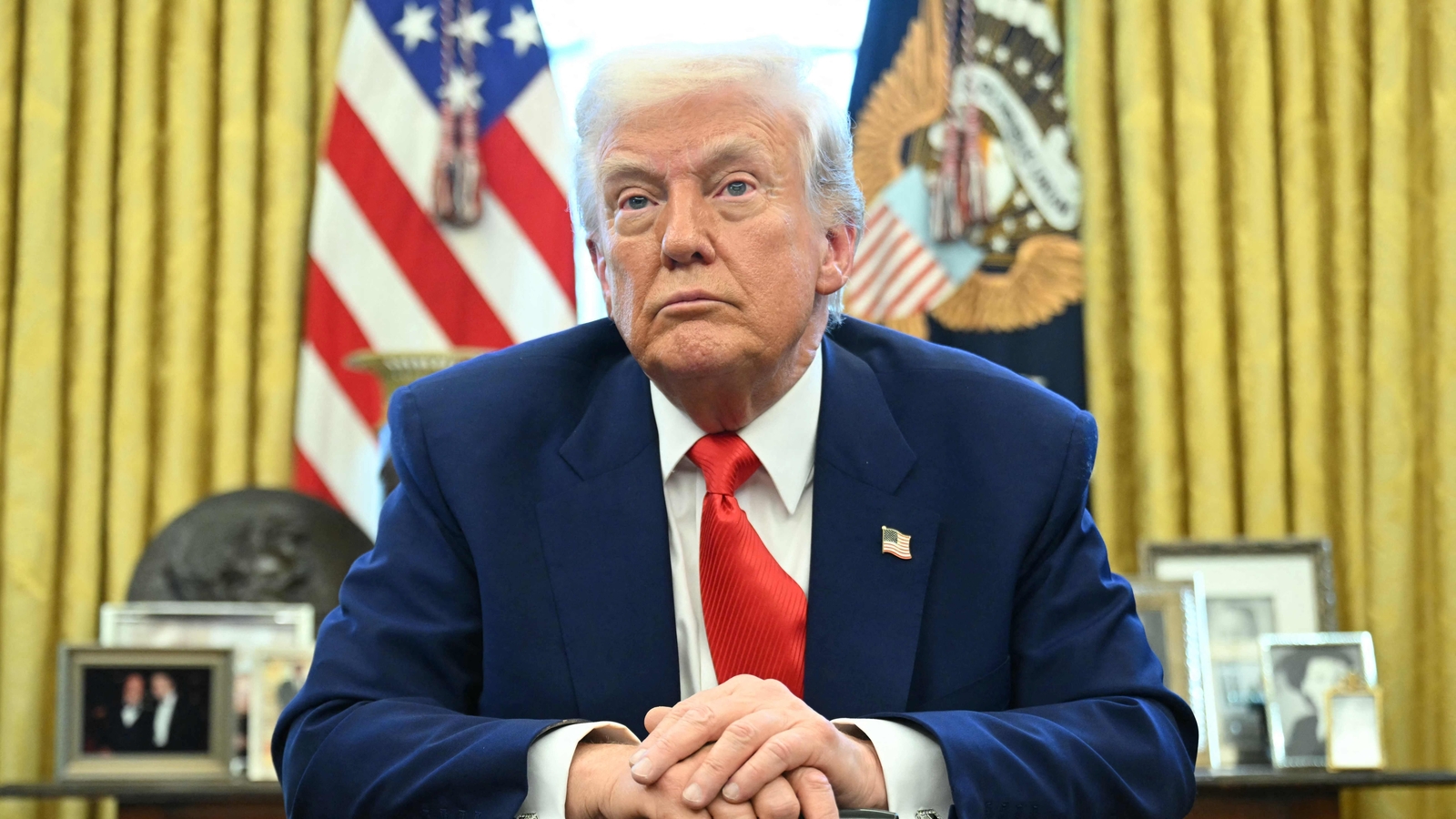
Fifty-five years after a gunshot extinguished a bright political flame, 10,000 pages of previously classified documents related to the assassination of Robert F. Kennedy have been released by order of former President Donald Trump. Kennedy, fresh off a victory in the California Democratic presidential primary, was fatally shot on June 5, 1968, at the Ambassador Hotel in Los Angeles. The release of these files reignites the debate and speculation surrounding the tragic event, a pivotal moment in American history.
The chaotic scene in the Ambassador Hotel's pantry, where Kennedy was greeting kitchen staff after his victory speech, remains etched in the nation’s collective memory. Sirhan Sirhan, a Palestinian immigrant, was apprehended at the scene, convicted of Kennedy's murder, and remains incarcerated. However, over the decades, the case has been plagued by inconsistencies and unanswered questions, fueling numerous conspiracy theories. Were there more shots fired than could be accounted for by Sirhan's gun? Was there a second shooter? These questions, among others, have haunted researchers, historians, and the public for decades.
The newly declassified documents offer a potential trove of information, shedding light on the FBI's investigation, witness testimonies, and the events leading up to and immediately following the assassination. While some files related to the RFK assassination had been previously released under the President John F. Kennedy Assassination Records Collection Act of 1992, a significant number remained sealed, raising suspicions among those who believe the full story has yet to be told. The release ordered by Trump represents a substantial addition to the public record, though it remains to be seen what new details, if any, will emerge.
Experts and researchers now face the daunting task of sifting through thousands of pages of government documents, analyzing their contents, and assessing their historical significance. Will these files finally provide the definitive answers that so many have sought for so long, or will they merely deepen the mystery? Will they confirm existing suspicions or challenge long-held beliefs? The release undoubtedly marks a significant development in a case that continues to captivate and confound. It offers a fresh opportunity to re-examine the evidence, reassess the official narrative, and perhaps, finally, bring a sense of closure to a nation still grappling with the loss of a promising leader. The impact of this release on the historical understanding of the RFK assassination, and its broader implications for American political history, remain to be seen. The analysis of these documents is likely to be a lengthy and complex process, and the public awaits the expert findings with anticipation.
Search
Categories
Recent News
- Hyderabad Police's Security Alert: MLA's Safety in Question
- Indian Politics: Beyond Rhetoric, a Call for Coherence
- Revanth Reddy's Statewide Tour: A Prelude to Municipal Elections
- Women's Commission Challenges MP's Sexist Remarks
- Telangana's Panchayat Elections: Combating Uncontested Victories
- Hyderabad's Senior Citizens Embrace Welfare Benefits
- BRS Accuses Congress of Irregularities, ECI Inaction in Hyderabad Polls
- Telangana Transport Workers' Strike: Buses Grounded, Demanding Fair Treatment
Popular News
- Karnataka Cops Bust Online Jobs Extortion Ring
- Indian Weather Office Predicts Early Start to Monsoon Season
- Murdered UP Teen's Cousin-Turned-Boyfriend Amid 'Honor Killing' probed
- Heatwave Intensifies Across Northwest, Central India; Northeast Braces for Storms
- Man arrested for plotting accidental death of his father