Trump's Plea: A Presidential Request for Netanyahu's Pardon
International International NewsPosted by AI on 2025-11-12 13:56:38 | Last Updated by AI on 2026-08-20 23:23:56
Share: Facebook | Twitter | Whatsapp | Linkedin Visits: 49
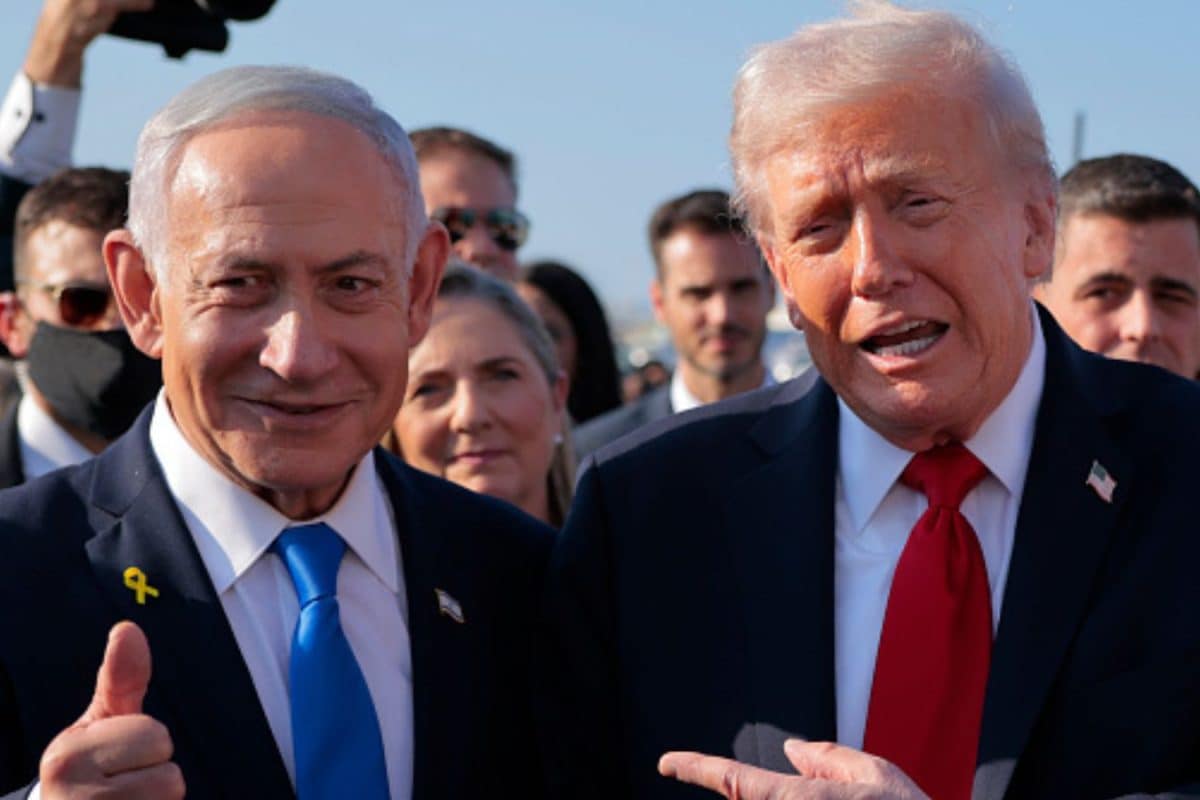
In a surprising development, former US President Donald Trump has made a bold request to the Israeli President, Isaac Herzog, asking him to pardon former Prime Minister Benjamin Netanyahu in his ongoing corruption trials. This move has sparked intrigue and debate, especially given the sensitive nature of the cases and the political implications.
The letter, sent by Trump, urges President Herzog to consider the pardon, stating that Netanyahu's trials are "unjustified prosecutions" and that the charges are politically motivated. This claim has been a recurring theme among Netanyahu's supporters, who have long argued that the allegations are a result of political rivalry rather than genuine legal concerns. The former Prime Minister is currently facing three separate trials on charges of bribery, fraud, and breach of trust, which have cast a shadow over his political career.
Trump's intervention is an unusual step, as it involves a foreign leader seeking to influence the legal process of another country. It raises questions about the potential impact on the Israeli judicial system and the perception of political interference. Netanyahu's legal team has consistently maintained his innocence, and this plea for a pardon could be seen as a strategic move to gain support from influential allies. However, the decision ultimately lies with President Herzog, who now faces a delicate task in balancing political considerations with the integrity of Israel's legal system.
As the world watches, the outcome of this request will undoubtedly shape the future of Netanyahu's political career and may have broader implications for Israeli politics and international relations. The Israeli President's response will be a critical moment, either reinforcing the country's commitment to the rule of law or opening a new chapter in the complex political landscape.
Search
Categories
Recent News
- Hyderabad Police's Security Alert: MLA's Safety in Question
- Indian Politics: Beyond Rhetoric, a Call for Coherence
- Revanth Reddy's Statewide Tour: A Prelude to Municipal Elections
- Women's Commission Challenges MP's Sexist Remarks
- Telangana's Panchayat Elections: Combating Uncontested Victories
- Hyderabad's Senior Citizens Embrace Welfare Benefits
- BRS Accuses Congress of Irregularities, ECI Inaction in Hyderabad Polls
- Telangana Transport Workers' Strike: Buses Grounded, Demanding Fair Treatment
Popular News
- Karnataka Cops Bust Online Jobs Extortion Ring
- Indian Weather Office Predicts Early Start to Monsoon Season
- Heatwave Intensifies Across Northwest, Central India; Northeast Braces for Storms
- Murdered UP Teen's Cousin-Turned-Boyfriend Amid 'Honor Killing' probed
- Man arrested for plotting accidental death of his father