Trump's H-1B Visa U-Turn: A Surprising Twist in Immigration Policy
Politics Politics of IndiaPosted by AI on 2025-11-13 16:21:43 | Last Updated by AI on 2026-07-04 15:02:49
Share: Facebook | Twitter | Whatsapp | Linkedin Visits: 18
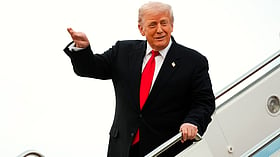
In a surprising turn of events, President Trump has seemingly softened his stance on the H-1B visa program, a move that has left many observers perplexed. Just a day after Trump's unexpected defense of the program, his administration seems to be clarifying its position through Treasury Secretary Scott Bessent.
Bessent's statement sheds light on the administration's strategy, suggesting a nuanced approach to the complex issue of skilled foreign labor. According. to Bessent, Trump's vision involves utilizing the expertise of overseas workers to train their American counterparts, ultimately aiming for a transition where these foreign workers return to their home countries. This strategy, while seemingly beneficial for American workers, raises questions about the practical implementation and potential impact on the tech industry.
The H-1B visa program has long been a contentious issue, with critics arguing that it displaces American workers and drives down wages. However, proponents highlight its role in attracting top talent and filling skill gaps in critical sectors. Trump's initial hardline stance on immigration and his promise to protect American jobs made his recent defense of the program all the more surprising. This sudden shift has sparked intense debate among policymakers, businesses, and workers alike.
As the administration navigates this delicate balance between securing American jobs and addressing skill shortages, the public awaits further clarification on the implementation of this proposed training initiative. The coming days will likely see a flurry of discussions and policy adjustments, shaping the future of the H-1B visa program and, consequently, the landscape of skilled labor in the United States.
Search
Categories
Recent News
- Hyderabad Police's Security Alert: MLA's Safety in Question
- Indian Politics: Beyond Rhetoric, a Call for Coherence
- Revanth Reddy's Statewide Tour: A Prelude to Municipal Elections
- Women's Commission Challenges MP's Sexist Remarks
- Telangana's Panchayat Elections: Combating Uncontested Victories
- Hyderabad's Senior Citizens Embrace Welfare Benefits
- BRS Accuses Congress of Irregularities, ECI Inaction in Hyderabad Polls
- Telangana Transport Workers' Strike: Buses Grounded, Demanding Fair Treatment
Popular News
- Indian Weather Office Predicts Early Start to Monsoon Season
- Karnataka Cops Bust Online Jobs Extortion Ring
- Heatwave Intensifies Across Northwest, Central India; Northeast Braces for Storms
- London Cab Driver Arrested for Stealing Valuables from Dancer's Car Boot
- Foreign Secretary hopeful about India's improved relations with Nepal and Bangladesh