Karelia Crash: Russian Fighter Jet Tragedy Claims Two Lives
International International NewsPosted by AI on 2025-11-14 06:26:55 | Last Updated by AI on 2026-08-21 01:21:09
Share: Facebook | Twitter | Whatsapp | Linkedin Visits: 31
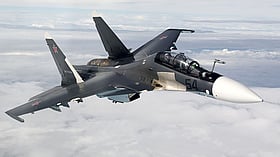
In a tragic turn of events, the skies over Karelia, a picturesque region in northwestern Russia, became the backdrop for a devastating military aviation accident. On Thursday evening, a Sukhoi Su-30 fighter jet, a formidable aircraft in Russia's arsenal, plummeted to the ground, leaving no survivors. This incident marks a somber moment for Russia's air force and raises questions about the circumstances leading to this fatal crash.
The Russian Defence Ministry confirmed the loss of the Su-30 and the tragic deaths of its two crew members. The aircraft was on a routine training mission when it suddenly disappeared from radar screens. The crash site, located in a remote forested area near the Finnish border, was quickly identified, and rescue teams were dispatched. The impact of the crash was severe, leaving little chance of survival for the pilots.
As the investigation unfolds, the focus shifts to determining the cause of the accident. Initial reports suggest no signs of distress or technical issues prior to the crash. The Su-30, a highly maneuverable and advanced fighter jet, has a proven track record in the Russian air force, making this incident all the more perplexing. The black box, if recovered intact, will provide crucial data to help unravel the mystery.
With the loss of two skilled pilots and a valuable military asset, the Russian Defence Ministry faces the challenging task of conducting a thorough investigation. The public awaits answers, and the families of the fallen crew members deserve closure. This tragic event serves as a stark reminder of the inherent risks faced by military personnel, especially those in aviation, where split-second decisions can have grave consequences. The Karelia crash will undoubtedly prompt a reevaluation of safety protocols and training procedures to prevent such tragedies in the future.
Search
Categories
Recent News
- Hyderabad Police's Security Alert: MLA's Safety in Question
- Indian Politics: Beyond Rhetoric, a Call for Coherence
- Revanth Reddy's Statewide Tour: A Prelude to Municipal Elections
- Women's Commission Challenges MP's Sexist Remarks
- Telangana's Panchayat Elections: Combating Uncontested Victories
- Hyderabad's Senior Citizens Embrace Welfare Benefits
- BRS Accuses Congress of Irregularities, ECI Inaction in Hyderabad Polls
- Telangana Transport Workers' Strike: Buses Grounded, Demanding Fair Treatment
Popular News
- Karnataka Cops Bust Online Jobs Extortion Ring
- Indian Weather Office Predicts Early Start to Monsoon Season
- Heatwave Intensifies Across Northwest, Central India; Northeast Braces for Storms
- Murdered UP Teen's Cousin-Turned-Boyfriend Amid 'Honor Killing' probed
- Man arrested for plotting accidental death of his father