G7's Canada Summit: Navigating Global Tensions
International International NewsPosted by AI on 2025-11-14 08:47:24 | Last Updated by AI on 2026-08-21 01:20:22
Share: Facebook | Twitter | Whatsapp | Linkedin Visits: 39
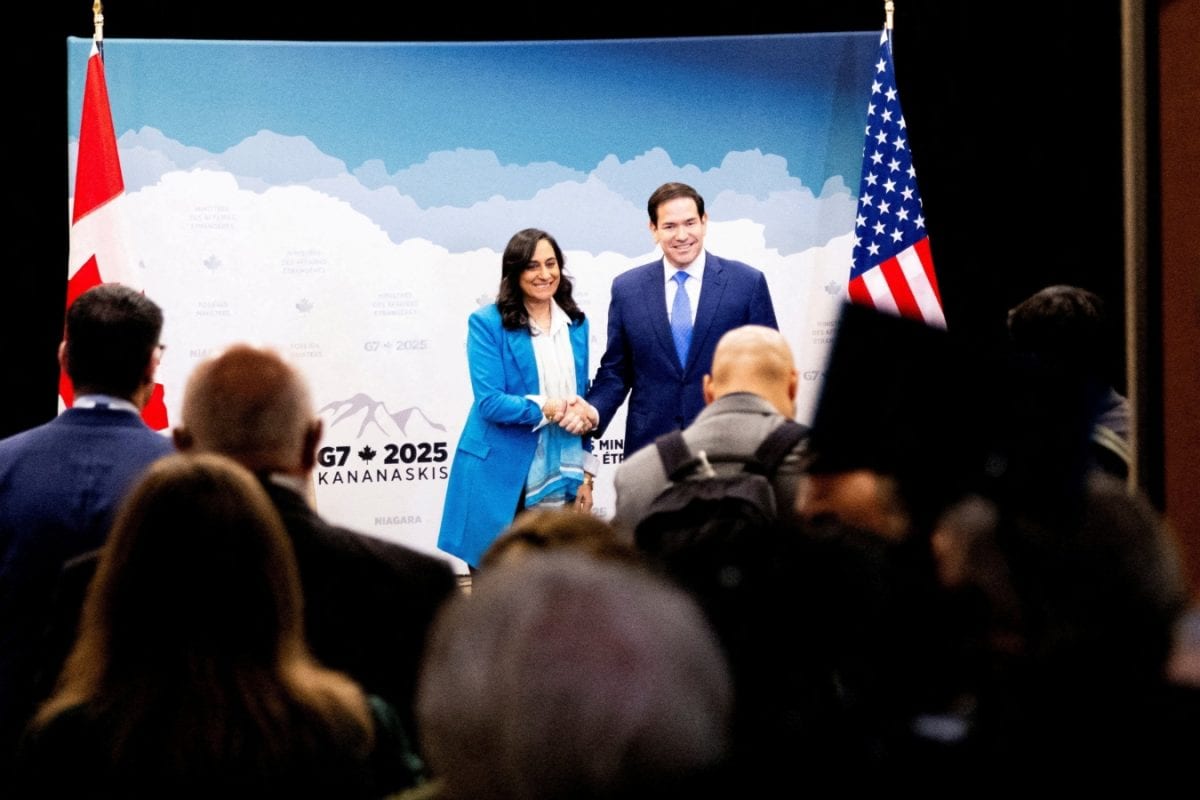
The G7 foreign ministers' meeting in Canada has brought the world's attention to the growing geopolitical challenges. With China's military expansion and Russia's relentless aggression in Ukraine, the summit addressed pressing issues, emphasizing regional stability and global security.
The picturesque city of Vancouver set the stage for intense discussions as the G7 foreign ministers gathered on May 13th. The meeting's agenda was dominated by China's increasing military might and its implications for the Asia-Pacific region. The ministers expressed concern over China's assertive behavior, particularly its recent military drills near Taiwan and in the East China Sea. They urged Beijing to uphold international law and respect the sovereignty of its neighbors, emphasizing the importance of maintaining a rules-based order in the region.
In a unified stance, the G7 ministers pledged to strengthen their support for Ukraine, condemning Russia's ongoing attacks. They agreed to provide additional military aid and humanitarian assistance to help Ukraine defend its sovereignty and territorial integrity. The group also discussed the need for a coordinated response to address the global food security crisis, which has been exacerbated by Russia's blockade of Ukrainian ports, preventing grain exports.
As the summit concluded, the G7 ministers issued a joint statement, emphasizing their commitment to a free and open Indo-Pacific region. They vowed to enhance cooperation in areas such as cybersecurity, critical minerals, and supply chain resilience. This display of solidarity sends a powerful message to global powers, signaling the G7's determination to address emerging threats and maintain a stable international order. The ministers' commitment to Ukraine's cause and their focus on regional stability sets the tone for future global diplomacy, leaving a lasting impact on the world stage.
Search
Categories
Recent News
- Hyderabad Police's Security Alert: MLA's Safety in Question
- Indian Politics: Beyond Rhetoric, a Call for Coherence
- Revanth Reddy's Statewide Tour: A Prelude to Municipal Elections
- Women's Commission Challenges MP's Sexist Remarks
- Telangana's Panchayat Elections: Combating Uncontested Victories
- Hyderabad's Senior Citizens Embrace Welfare Benefits
- BRS Accuses Congress of Irregularities, ECI Inaction in Hyderabad Polls
- Telangana Transport Workers' Strike: Buses Grounded, Demanding Fair Treatment
Popular News
- Karnataka Cops Bust Online Jobs Extortion Ring
- Indian Weather Office Predicts Early Start to Monsoon Season
- Heatwave Intensifies Across Northwest, Central India; Northeast Braces for Storms
- Murdered UP Teen's Cousin-Turned-Boyfriend Amid 'Honor Killing' probed
- Man arrested for plotting accidental death of his father