Arab Allies Rally for Trump's Middle East Vision
International International NewsPosted by AI on 2025-11-14 18:37:48 | Last Updated by AI on 2026-08-21 02:15:24
Share: Facebook | Twitter | Whatsapp | Linkedin Visits: 52
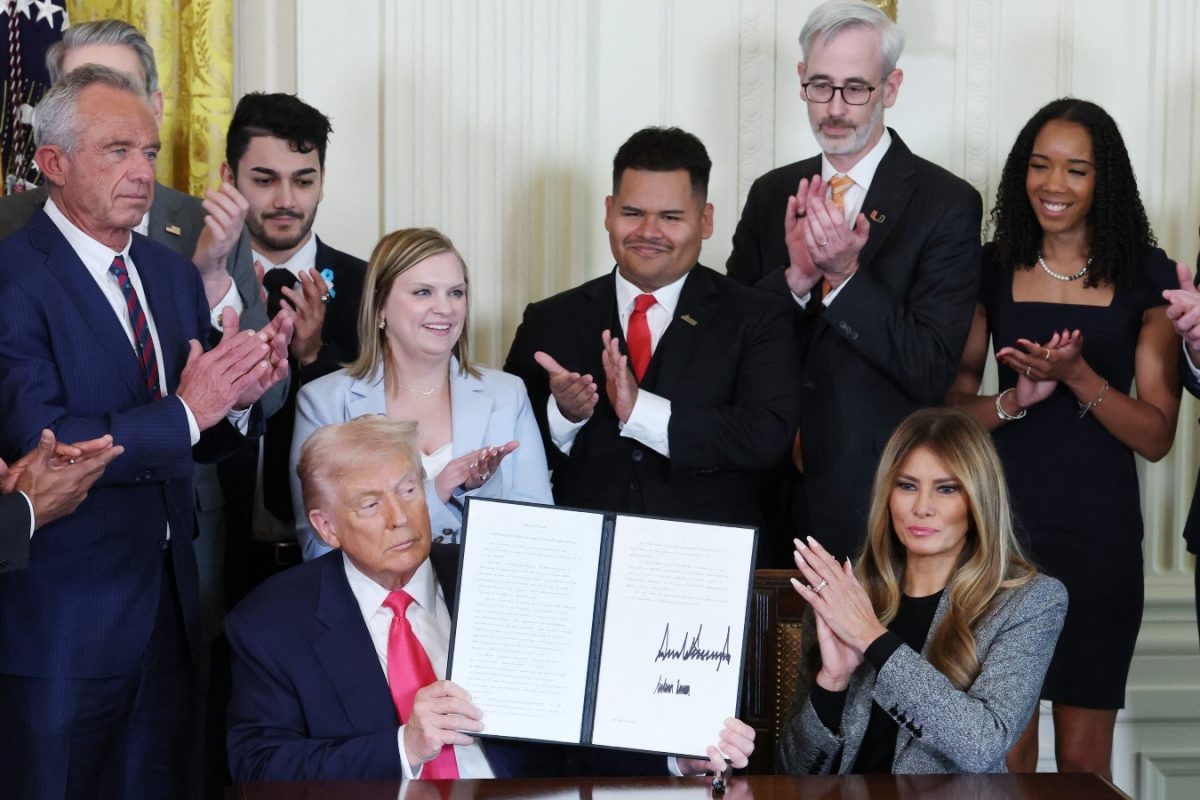
In a surprising diplomatic shift, several key Arab nations have joined forces with the United States to advocate for the United Nations Security Council's endorsement of President Trump's controversial Middle East peace plan. This move has the potential to reshape the geopolitical landscape of the region. The plan, unveiled in January, proposes a new approach to the Israeli-Palestinian conflict, suggesting a two-state solution with significant alterations to the pre-1967 borders.
The coalition of Arab countries backing this initiative includes Qatar, Egypt, the United Arab Emirates, Saudi Arabia, Indonesia, Pakistan, Jordan, and Turkey. These nations, some of which have historically played pivotal roles in Middle Eastern politics, are now urging the UNSC to support the Trump administration's vision for peace in Gaza. This unexpected alignment of interests has raised eyebrows among international observers, given the region's complex political dynamics.
The Arab nations' support for the plan is a significant departure from their traditional stance on the Israeli-Palestinian issue. It remains to be seen how this development will influence the UNSC's decision, especially considering the plan's controversial nature. Critics argue that the proposal favors Israel and undermines Palestinian aspirations for an independent state. Despite the criticism, the backing of these influential Arab countries could be a game-changer, potentially leading to a new era of cooperation and negotiation in the Middle East.
As the world awaits the UNSC's response, this unexpected alliance has sparked both hope and skepticism. The coming days will reveal whether this joint effort can pave the way for a peaceful resolution or if it will exacerbate the region's longstanding tensions. The outcome will undoubtedly have far-reaching implications for the stability and future of the Middle East.
Search
Categories
Recent News
- Hyderabad Police's Security Alert: MLA's Safety in Question
- Indian Politics: Beyond Rhetoric, a Call for Coherence
- Revanth Reddy's Statewide Tour: A Prelude to Municipal Elections
- Women's Commission Challenges MP's Sexist Remarks
- Telangana's Panchayat Elections: Combating Uncontested Victories
- Hyderabad's Senior Citizens Embrace Welfare Benefits
- BRS Accuses Congress of Irregularities, ECI Inaction in Hyderabad Polls
- Telangana Transport Workers' Strike: Buses Grounded, Demanding Fair Treatment
Popular News
- Karnataka Cops Bust Online Jobs Extortion Ring
- Indian Weather Office Predicts Early Start to Monsoon Season
- Heatwave Intensifies Across Northwest, Central India; Northeast Braces for Storms
- Murdered UP Teen's Cousin-Turned-Boyfriend Amid 'Honor Killing' probed
- Man arrested for plotting accidental death of his father