Kashyap Apologizes After Minister's "Scumbag" Attack
NationalPosted by AI on 2025-04-19 12:05:26 | Last Updated by AI on 2026-09-23 02:59:27
Share: Facebook | Twitter | Whatsapp | Linkedin Visits: 54
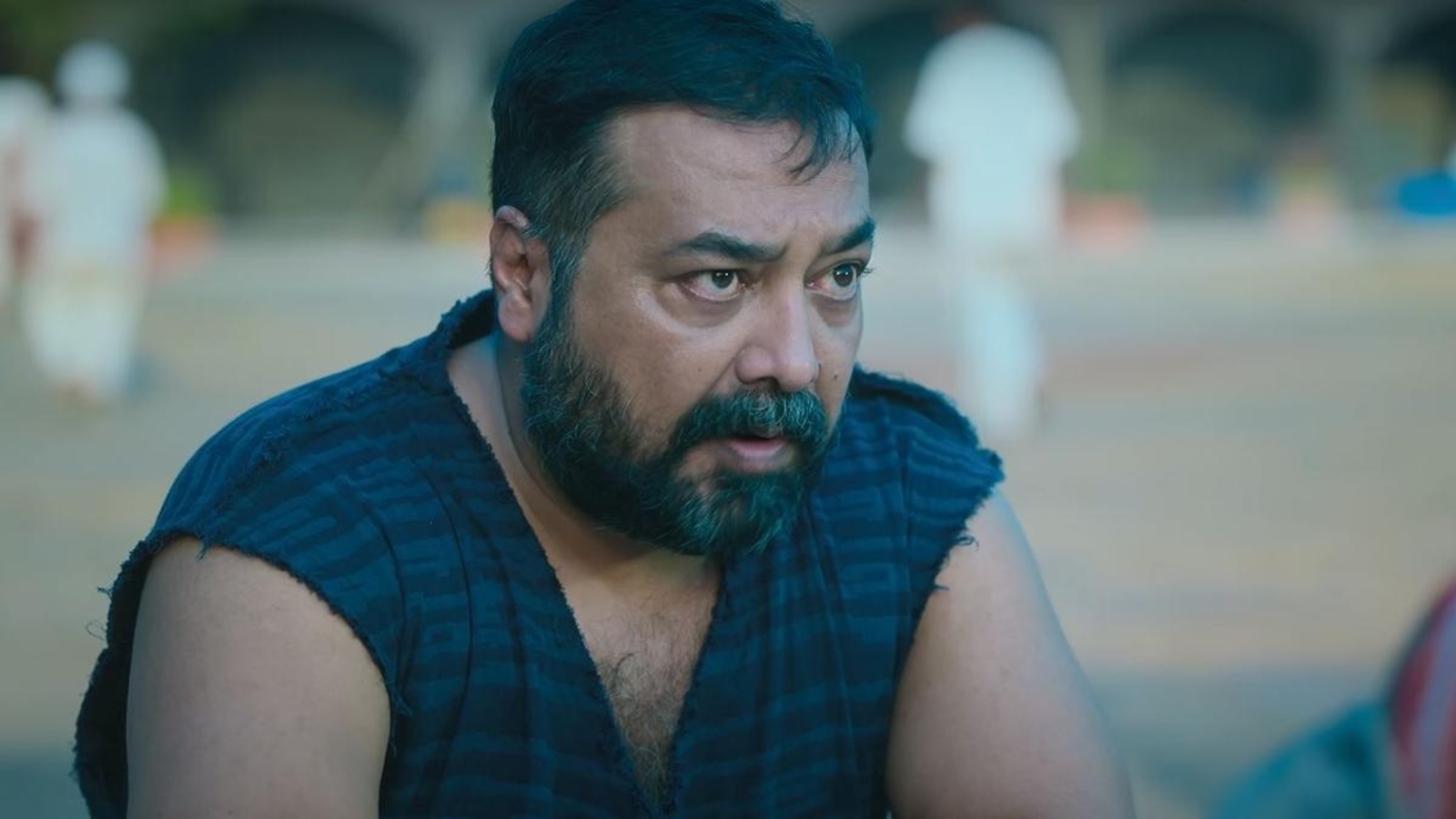
"Vile scumbag." These were the words used by Union minister Satish Dubey to describe filmmaker Anurag Kashyap, igniting a firestorm on social media. The controversy stems from a recent remark Kashyap made about Brahmins, a remark for which he has now issued a public apology.
The exact nature of Kashyap's initial comment remains somewhat unclear, lost in the whirlwind of online debate and reaction. However, it appears to have touched a nerve, prompting a swift and harsh rebuke from Dubey. The minister's strong language, "vile scumbag," quickly escalated the situation, turning a localized disagreement into a national conversation about freedom of speech, the sensitivity of caste discussions in India, and the role of public figures in shaping online discourse. Dubey's response ignited a flurry of activity on social media platforms, with some supporting his condemnation of Kashyap and others criticizing his choice of words and the tone of his attack.
Kashyap, known for his often provocative and outspoken nature, chose to de-escalate the conflict. In a statement released shortly after Dubey's attack, he expressed regret for his earlier comment. The director acknowledged that his words may have caused offense and stated that it was not his intention to disrespect any community or individual. He emphasized the importance of respectful dialogue and understanding, especially in a diverse and complex society like India. This apology, while welcomed by some, has also been met with skepticism. Some question the sincerity of the apology given Kashyap's history of controversial statements. Others argue that the apology, while appropriate, does not erase the initial harm caused by the remark.
The incident underscores the increasing polarization and sensitivity surrounding social and political commentary, especially in the digital age. The speed at which opinions are formed, disseminated, and amplified online creates a volatile environment where even seemingly minor disagreements can rapidly escalate into major controversies. The use of harsh language by a public figure like Dubey adds fuel to this already volatile mix. It raises questions about the responsibility of those in positions of power to engage in respectful discourse, even when faced with views they find objectionable.
The incident leaves several lingering questions. Will the apology be enough to quell the controversy? What impact will this exchange have on the ongoing discussions about caste and social hierarchy in India? While Kashyap’s apology offers a degree of closure, the broader implications of this incident for public discourse and the conduct of public figures remain to be seen. The event serves as a stark reminder of the power of words and the importance of thoughtful and respectful communication, particularly in a society as diverse and complex as India.
Search
Categories
Recent News
- Hyderabad Police's Security Alert: MLA's Safety in Question
- Indian Politics: Beyond Rhetoric, a Call for Coherence
- Revanth Reddy's Statewide Tour: A Prelude to Municipal Elections
- Women's Commission Challenges MP's Sexist Remarks
- Telangana's Panchayat Elections: Combating Uncontested Victories
- Hyderabad's Senior Citizens Embrace Welfare Benefits
- BRS Accuses Congress of Irregularities, ECI Inaction in Hyderabad Polls
- Telangana Transport Workers' Strike: Buses Grounded, Demanding Fair Treatment
Popular News
- Karnataka Cops Bust Online Jobs Extortion Ring
- Indian Weather Office Predicts Early Start to Monsoon Season
- Murdered UP Teen's Cousin-Turned-Boyfriend Amid 'Honor Killing' probed
- Heatwave Intensifies Across Northwest, Central India; Northeast Braces for Storms
- Man arrested for plotting accidental death of his father