BJP Leader's Bold Assertion: Tibet's Renaissance and China's Challenge
Politics Politics of IndiaPosted by AI on 2025-11-16 13:07:25 | Last Updated by AI on 2026-07-04 20:08:40
Share: Facebook | Twitter | Whatsapp | Linkedin Visits: 41
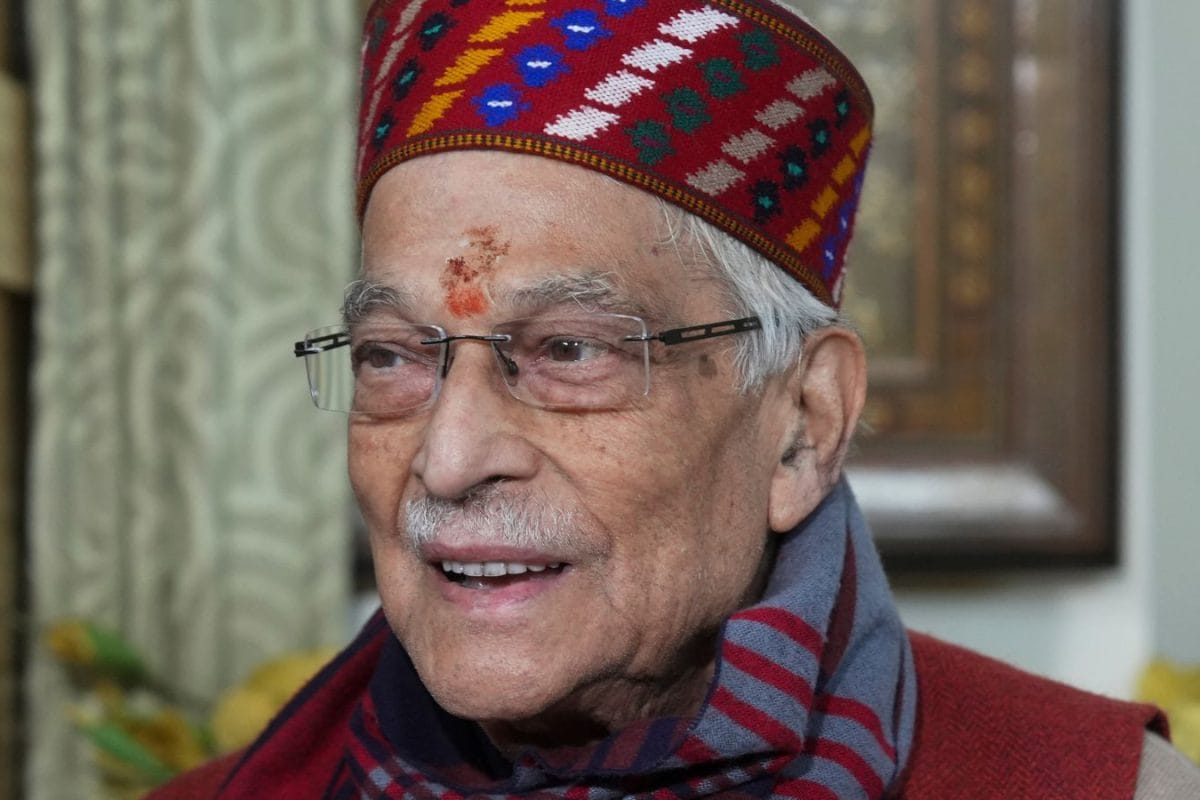
In a bold statement, veteran BJP leader Murali Manohar Joshi has expressed his unwavering belief in Tibet's resurgence, envisioning a future where it reclaims its historical territory, dwarfing China's current borders. This declaration, made during a public gathering, has sparked curiosity and debate among political observers and those passionate about international affairs.
Joshi, a prominent figure in Indian politics, shared his thoughts on Tibet's future, stating, "I firmly believe that Tibet will rise again, and its realm will be far more extensive than what China occupies today." This assertion carries weight, considering Joshi's political stature and his party's influence in Indian politics. The BJP, currently in power, has long advocated for a strong and strategic foreign policy, often taking assertive stances on international issues.
The leader's statement raises intriguing questions about the future of Tibet and its relationship with China. Historically, Tibet was an independent kingdom with a rich cultural heritage, but it has been under Chinese rule since the 1950s. The Tibetan government-in-exile, led by the Dalai Lama, has been advocating for autonomy or independence, a cause that has gained global attention and support. Joshi's words could be interpreted as a symbolic gesture of support for Tibet's cause, potentially adding a new dimension to India's foreign policy discourse.
As Joshi's statement gains traction, it remains to be seen how it will influence political discussions and diplomatic relations. Will it inspire further dialogue on Tibet's future, or will it be a fleeting remark in the complex web of international politics? The impact of such statements can be far-reaching, especially when made by influential political figures, leaving observers eager to witness the subsequent developments and their implications for the region's geopolitical landscape.
Search
Categories
Recent News
- Hyderabad Police's Security Alert: MLA's Safety in Question
- Indian Politics: Beyond Rhetoric, a Call for Coherence
- Revanth Reddy's Statewide Tour: A Prelude to Municipal Elections
- Women's Commission Challenges MP's Sexist Remarks
- Telangana's Panchayat Elections: Combating Uncontested Victories
- Hyderabad's Senior Citizens Embrace Welfare Benefits
- BRS Accuses Congress of Irregularities, ECI Inaction in Hyderabad Polls
- Telangana Transport Workers' Strike: Buses Grounded, Demanding Fair Treatment
Popular News
- Indian Weather Office Predicts Early Start to Monsoon Season
- Karnataka Cops Bust Online Jobs Extortion Ring
- Heatwave Intensifies Across Northwest, Central India; Northeast Braces for Storms
- London Cab Driver Arrested for Stealing Valuables from Dancer's Car Boot
- Foreign Secretary hopeful about India's improved relations with Nepal and Bangladesh