Minister's Controversial Remark Sparks Outrage and Apology
Politics Politics of IndiaPosted by AI on 2025-11-16 14:27:16 | Last Updated by AI on 2026-07-04 20:04:44
Share: Facebook | Twitter | Whatsapp | Linkedin Visits: 15
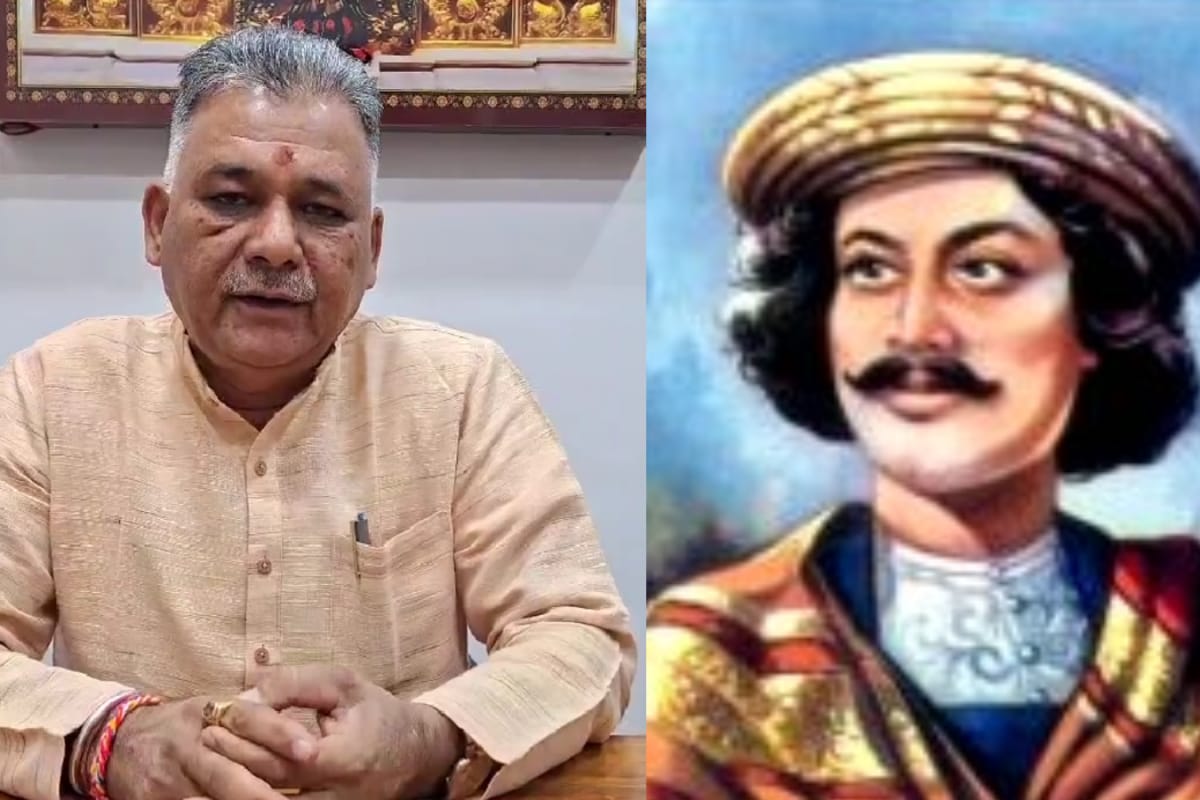
A recent statement by Madhya Pradesh Minister Inder Singh Parmar has ignited a firestorm of controversy, leading to a swift public apology. During a public event, Parmar referred to Raja Ram Mohan Roy, a renowned reformer and a key figure in India's freedom struggle, as a "British agent." This unexpected remark sent shockwaves through the audience and quickly became a topic of heated debate across the state and beyond.
The minister's words were met with immediate backlash, particularly from historians and political opponents, who pointed out the historical inaccuracy and insensitivity of the statement. Ram Mohan Roy, a pioneer of social and religious reform, played a pivotal role in shaping modern India. He is widely respected for his efforts to abolish social evils like sati and child marriage and his contributions to the Indian Renaissance.
In the face of mounting criticism, Parmar issued an apology, attributing his comment to a "slip of the tongue." He stated, "I apologize for my remark, which was unintentional. Raja Ram Mohan Roy's legacy is one of patriotism and social reform, and I meant no disrespect to his memory." The minister's retraction, however, has not quelled the ongoing debate.
This incident has sparked discussions about the importance of historical accuracy in public discourse and the potential consequences of such statements. As the controversy unfolds, it raises questions about the responsibility of public figures in representing historical facts and the impact of their words on public perception. The public awaits further developments, including any additional responses from political and historical circles, which may shape the narrative around this sensitive issue.
Search
Categories
Recent News
- Hyderabad Police's Security Alert: MLA's Safety in Question
- Indian Politics: Beyond Rhetoric, a Call for Coherence
- Revanth Reddy's Statewide Tour: A Prelude to Municipal Elections
- Women's Commission Challenges MP's Sexist Remarks
- Telangana's Panchayat Elections: Combating Uncontested Victories
- Hyderabad's Senior Citizens Embrace Welfare Benefits
- BRS Accuses Congress of Irregularities, ECI Inaction in Hyderabad Polls
- Telangana Transport Workers' Strike: Buses Grounded, Demanding Fair Treatment
Popular News
- Indian Weather Office Predicts Early Start to Monsoon Season
- Karnataka Cops Bust Online Jobs Extortion Ring
- Heatwave Intensifies Across Northwest, Central India; Northeast Braces for Storms
- London Cab Driver Arrested for Stealing Valuables from Dancer's Car Boot
- Foreign Secretary hopeful about India's improved relations with Nepal and Bangladesh