Dhankhar's Calculated Moves: Decoding the VP's Strategy
Politics Politics of IndiaPosted by AI on 2025-04-19 13:19:06 | Last Updated by AI on 2026-09-23 13:29:29
Share: Facebook | Twitter | Whatsapp | Linkedin Visits: 55
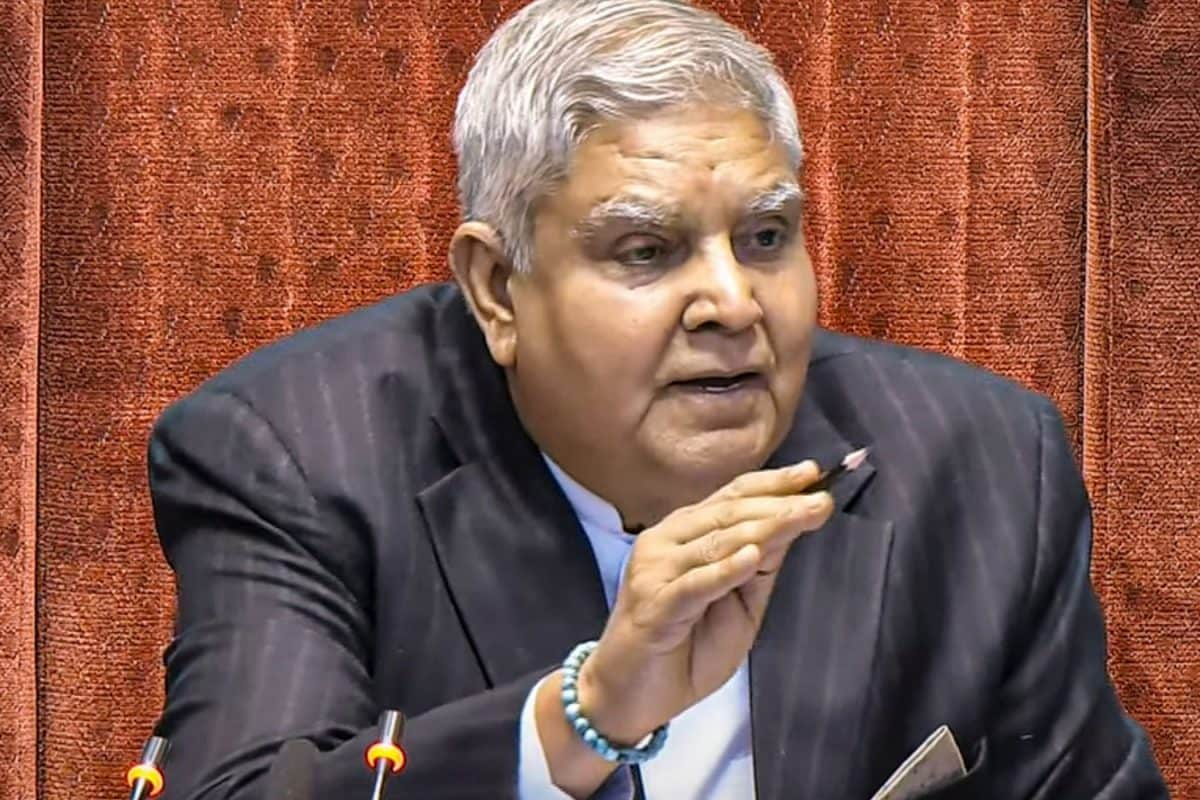
Is Jagdeep Dhankhar merely a jovial Vice-President, or is there a sharper political strategist at play? Beyond the affable exterior lies a calculated operator, meticulously choosing his battles and words, often targeting the opposition and, more recently, the judiciary. His actions suggest a carefully constructed design, raising questions about his long-term political ambitions and the potential impact on India's democratic landscape.
Dhankhar's tenure as Vice-President has been punctuated by frequent clashes with the opposition. He has consistently criticized their parliamentary conduct, accusing them of disrupting proceedings and disrespecting the institution. His pronouncements on issues ranging from parliamentary debates to national policies have often taken the form of pointed rebukes, drawing sharp retorts from opposition leaders. This seemingly combative stance has led some to view him as a partisan figure, raising concerns about the impartiality expected of the Vice-President, who also serves as the Chairman of the Rajya Sabha.
More recently, Dhankhar has shifted his focus to the judiciary, particularly the Supreme Court. He has publicly questioned the judiciary's striking down of the National Judicial Appointments Commission (NJAC) Act, a move that aimed to give the executive a greater role in judicial appointments. His remarks have sparked a debate about the separation of powers and the delicate balance between the different branches of government. This engagement with judicial matters, unprecedented for a Vice-President, has further fueled speculation about Dhankhar's motivations and his vision for the future of Indian democracy.
Dhankhar's carefully chosen words and the timing of his interventions suggest a deeper political strategy. His frequent engagements with public discourse, whether through speeches or social media, indicate a conscious effort to shape narratives and influence public opinion. Some analysts believe he is laying the groundwork for a more significant role in Indian politics, potentially eyeing a future presidential bid. Others see his actions as a reflection of the current political climate, where the lines between different branches of government are becoming increasingly blurred.
The impact of Dhankhar's assertive approach remains to be seen. His criticisms of the opposition have undoubtedly heightened political tensions, while his comments on the judiciary have raised concerns about potential overreach. Whether his actions ultimately contribute to a more robust democratic dialogue or further polarize the political landscape remains an open question. His future moves will be closely watched by political observers and citizens alike, as they offer critical insights into the evolving dynamics of Indian politics and the role of the Vice-President within it. The Vice-President's evolving stance on key constitutional issues will undoubtedly continue to shape the national conversation and define his legacy.
Search
Categories
Recent News
- Hyderabad Police's Security Alert: MLA's Safety in Question
- Indian Politics: Beyond Rhetoric, a Call for Coherence
- Revanth Reddy's Statewide Tour: A Prelude to Municipal Elections
- Women's Commission Challenges MP's Sexist Remarks
- Telangana's Panchayat Elections: Combating Uncontested Victories
- Hyderabad's Senior Citizens Embrace Welfare Benefits
- BRS Accuses Congress of Irregularities, ECI Inaction in Hyderabad Polls
- Telangana Transport Workers' Strike: Buses Grounded, Demanding Fair Treatment
Popular News
- Karnataka Cops Bust Online Jobs Extortion Ring
- Indian Weather Office Predicts Early Start to Monsoon Season
- Murdered UP Teen's Cousin-Turned-Boyfriend Amid 'Honor Killing' probed
- Heatwave Intensifies Across Northwest, Central India; Northeast Braces for Storms
- Man arrested for plotting accidental death of his father