Vance to Explore India's Cultural Gems Before Delhi Summit
National NationalPosted by AI on 2025-04-19 13:27:15 | Last Updated by AI on 2026-09-23 02:57:13
Share: Facebook | Twitter | Whatsapp | Linkedin Visits: 54
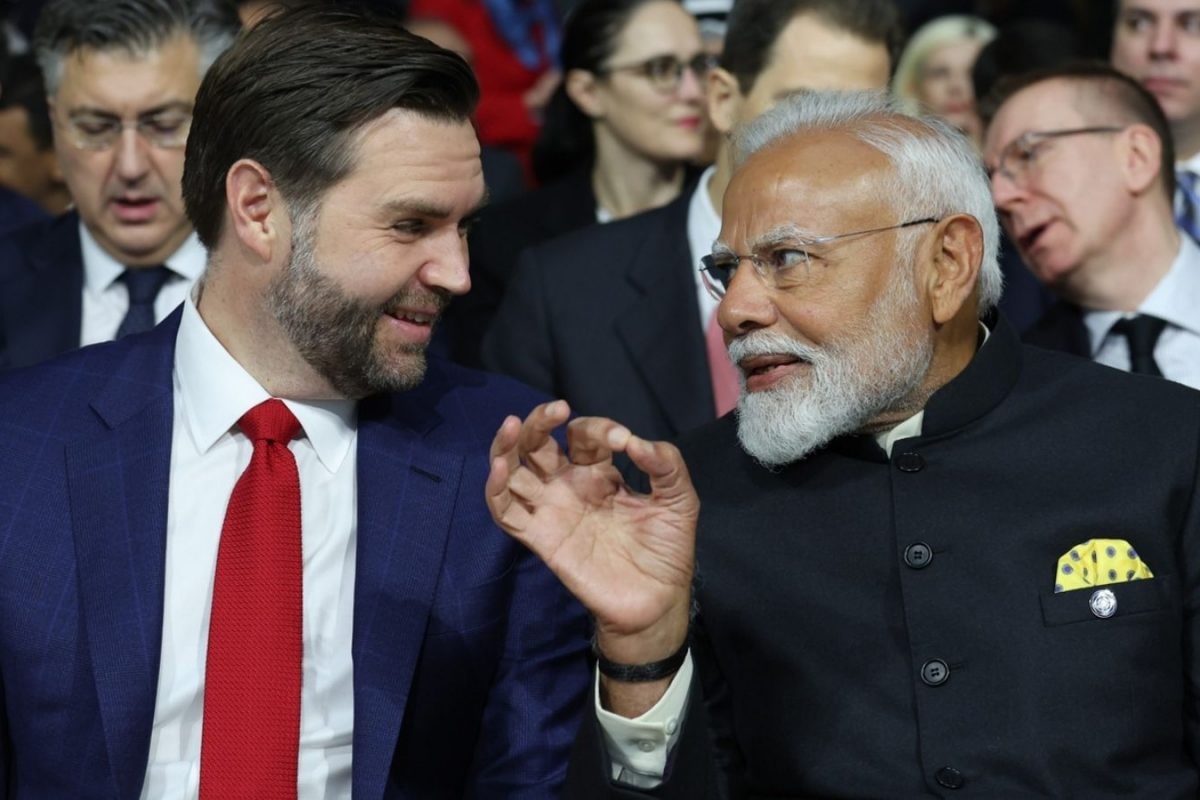
How does one bridge the gap between the intricacies of international diplomacy and the rich tapestry of a nation's cultural heritage? For US Vice President JD Vance, the answer lies in a thoughtfully planned itinerary that precedes his official engagements in New Delhi. Before delving into the complexities of Indo-US relations, Vance will immerse himself in the architectural wonders and historical narratives of India, journeying through the vibrant cities of Jaipur and Agra.
The Vice President's itinerary begins in Jaipur, the "Pink City" of Rajasthan. Known for its majestic palaces and vibrant marketplaces, Jaipur offers a glimpse into India's regal past. The iconic Hawa Mahal, with its intricate latticework facade, and the imposing Amer Fort, perched atop a hill overlooking the city, are expected to be key stops on Vance's tour. The astronomical instruments at Jantar Mantar, a UNESCO World Heritage site, will offer a unique perspective on India's scientific heritage. This exploration of Jaipur promises to be more than a sightseeing tour; it's an opportunity to engage with the artistic, scientific, and architectural expressions of a culture steeped in history.
From Jaipur, the Vice President will travel to Agra, home to the Taj Mahal. This breathtaking monument, a testament to eternal love, is arguably India's most recognizable landmark. Built by Mughal Emperor Shah Jahan in the 17th century, the Taj Mahal's marble facade and intricate inlay work embody the pinnacle of Mughal architecture. Vance's visit to this iconic site will undoubtedly be a poignant moment, offering a glimpse into the artistic and cultural legacy of the Mughal empire. Beyond the Taj Mahal, Agra boasts other architectural gems like the Agra Fort, a UNESCO World Heritage site that served as the main residence of the Mughal emperors. Exploring these historical sites allows Vance to connect with India's rich past, fostering a deeper appreciation for the nation's cultural landscape.
These cultural excursions serve as a crucial prelude to the Vice President's official engagements in New Delhi. By immersing himself in India's cultural heritage, Vance aims to build a more nuanced understanding of the nation's values, history, and artistic expressions. This approach underscores the importance of cultural diplomacy in strengthening international relations. Building bridges between nations often begins with appreciating the nuances of their respective cultures.
The Vice President's visit to India highlights the multifaceted nature of international diplomacy. While official meetings and policy discussions are crucial components, engaging with the host nation's cultural heritage adds depth and meaning to the diplomatic exchange. This cultural immersion not only enriches the Vice President's understanding of India but also demonstrates respect for the nation's rich history and traditions. This journey from Jaipur's vibrant palaces to the serene beauty of the Taj Mahal promises to be a significant chapter in Vance's diplomatic mission to India, paving the way for more meaningful and productive engagements in New Delhi. The trip underscores the power of cultural exchange in fostering stronger international ties, signifying that diplomacy extends beyond the conference room and finds its roots in the shared human experience of art, history, and culture.
Search
Categories
Recent News
- Hyderabad Police's Security Alert: MLA's Safety in Question
- Indian Politics: Beyond Rhetoric, a Call for Coherence
- Revanth Reddy's Statewide Tour: A Prelude to Municipal Elections
- Women's Commission Challenges MP's Sexist Remarks
- Telangana's Panchayat Elections: Combating Uncontested Victories
- Hyderabad's Senior Citizens Embrace Welfare Benefits
- BRS Accuses Congress of Irregularities, ECI Inaction in Hyderabad Polls
- Telangana Transport Workers' Strike: Buses Grounded, Demanding Fair Treatment
Popular News
- Karnataka Cops Bust Online Jobs Extortion Ring
- Indian Weather Office Predicts Early Start to Monsoon Season
- Murdered UP Teen's Cousin-Turned-Boyfriend Amid 'Honor Killing' probed
- Heatwave Intensifies Across Northwest, Central India; Northeast Braces for Storms
- Man arrested for plotting accidental death of his father