West Bengal Chief Minister Slams PM's Gorkha Interlocutor Appointment
Politics Politics of IndiaPosted by AI on 2025-11-17 19:26:36 | Last Updated by AI on 2026-07-04 22:28:01
Share: Facebook | Twitter | Whatsapp | Linkedin Visits: 10
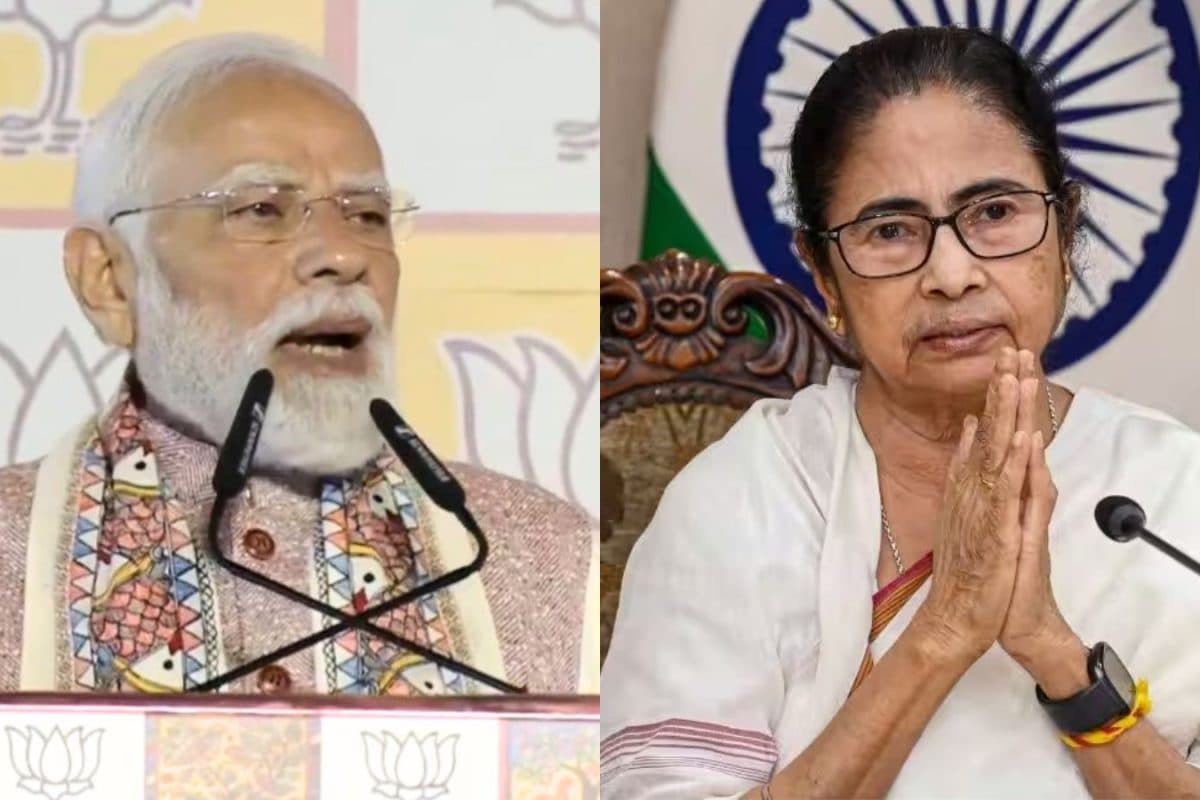
In a recent development in Indian politics, West Bengal Chief Minister Mamata Banerjee has vehemently opposed Prime Minister Narendra Modi's decision to appoint an interlocutor to mediate Gorkha issues in the state. This move has sparked a heated debate, with Banerjee accusing the central government of overstepping its boundaries.
The Chief Minister, known for her assertive stance, publicly criticized the appointment, calling it an "unwarranted intrusion" into the state's autonomy. She argued that the decision was made without consulting the state government and questioned the motives behind this sudden intervention. Banerjee's statement reflects her strong belief in the federal structure of India, where states have the right to govern their affairs without unnecessary interference from the central authority.
The Gorkha community, primarily residing in the Darjeeling hills, has a long history of demanding a separate state, often leading to political tensions. Banerjee's government has been engaged in negotiations with various Gorkha groups, aiming to address their concerns within the state's framework. However, the appointment of an interlocutor by the Prime Minister's Office has raised eyebrows, with many wondering if this is a strategic move to gain political mileage in the region.
As the political drama unfolds, the people of West Bengal await the outcome of this power play. The Chief Minister's office has indicated that they will explore legal options to challenge this decision, further intensifying the battle between the state and central governments. This latest development adds another layer of complexity to the ongoing negotiations with the Gorkha community, leaving many to speculate about the future of the region's governance.
Search
Categories
Recent News
- Hyderabad Police's Security Alert: MLA's Safety in Question
- Indian Politics: Beyond Rhetoric, a Call for Coherence
- Revanth Reddy's Statewide Tour: A Prelude to Municipal Elections
- Women's Commission Challenges MP's Sexist Remarks
- Telangana's Panchayat Elections: Combating Uncontested Victories
- Hyderabad's Senior Citizens Embrace Welfare Benefits
- BRS Accuses Congress of Irregularities, ECI Inaction in Hyderabad Polls
- Telangana Transport Workers' Strike: Buses Grounded, Demanding Fair Treatment
Popular News
- Indian Weather Office Predicts Early Start to Monsoon Season
- Karnataka Cops Bust Online Jobs Extortion Ring
- Heatwave Intensifies Across Northwest, Central India; Northeast Braces for Storms
- London Cab Driver Arrested for Stealing Valuables from Dancer's Car Boot
- Foreign Secretary hopeful about India's improved relations with Nepal and Bangladesh