India's Strikes: Pakistan's Lingering Repairs and Strategic Implications
International International NewsPosted by AI on 2025-11-18 05:56:07 | Last Updated by AI on 2026-08-21 07:24:16
Share: Facebook | Twitter | Whatsapp | Linkedin Visits: 11
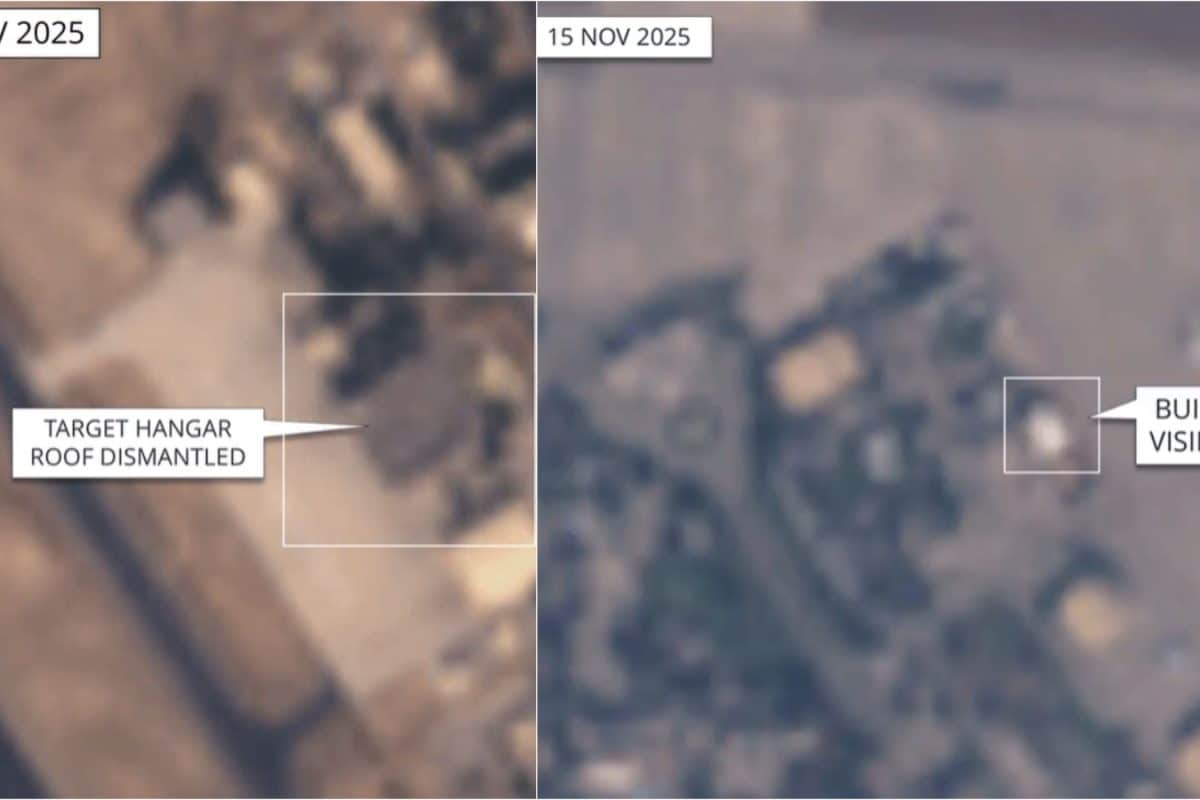
The scars of India's surgical strikes on Pakistan's military installations six months ago are still visible, with satellite imagery revealing ongoing repairs at key sites. The strikes, a response to a deadly terrorist attack in the Indian state of Jammu and Kashmir, have left a lasting impact on Pakistan's military infrastructure.
Recent satellite images of the Jacobabad Airbase in Sindh province tell a story of slow recovery. The airbase, a crucial hub for Pakistan's Air Force, suffered significant damage to its hangar during the Indian strikes. This strategic target was chosen due to its role in housing and maintaining military aircraft. The hangar, a vital component for aircraft protection and maintenance, remains a work in progress, indicating the extent of the initial damage and the challenges of restoration. The slow pace of repairs raises questions about the impact on Pakistan's military capabilities and readiness.
The lingering effects of the strikes have broader implications. Pakistan's military, known for its strategic importance in the region, is now facing a prolonged recovery process. The damaged infrastructure not only affects operational capabilities but also serves as a reminder of the tensions between the two nuclear-armed neighbors. As the repairs continue, the incident highlights the delicate balance of power in South Asia and the potential consequences of escalating conflicts.
With the world watching, the ongoing restoration efforts at Jacobabad Airbase and other affected sites are a stark reminder of the region's geopolitical complexities. The strikes and their aftermath underscore the need for diplomatic solutions and the potential risks associated with military actions in this volatile area. As Pakistan works to rebuild, the international community awaits the next move in this high-stakes strategic game.
Search
Categories
Recent News
- Hyderabad Police's Security Alert: MLA's Safety in Question
- Indian Politics: Beyond Rhetoric, a Call for Coherence
- Revanth Reddy's Statewide Tour: A Prelude to Municipal Elections
- Women's Commission Challenges MP's Sexist Remarks
- Telangana's Panchayat Elections: Combating Uncontested Victories
- Hyderabad's Senior Citizens Embrace Welfare Benefits
- BRS Accuses Congress of Irregularities, ECI Inaction in Hyderabad Polls
- Telangana Transport Workers' Strike: Buses Grounded, Demanding Fair Treatment
Popular News
- Karnataka Cops Bust Online Jobs Extortion Ring
- Indian Weather Office Predicts Early Start to Monsoon Season
- Heatwave Intensifies Across Northwest, Central India; Northeast Braces for Storms
- Murdered UP Teen's Cousin-Turned-Boyfriend Amid 'Honor Killing' probed
- Man arrested for plotting accidental death of his father