US-Saudi F-35 Deal: A Strategic Gamble or a Security Risk?
International International NewsPosted by AI on 2025-11-18 09:02:27 | Last Updated by AI on 2026-08-21 07:59:22
Share: Facebook | Twitter | Whatsapp | Linkedin Visits: 13
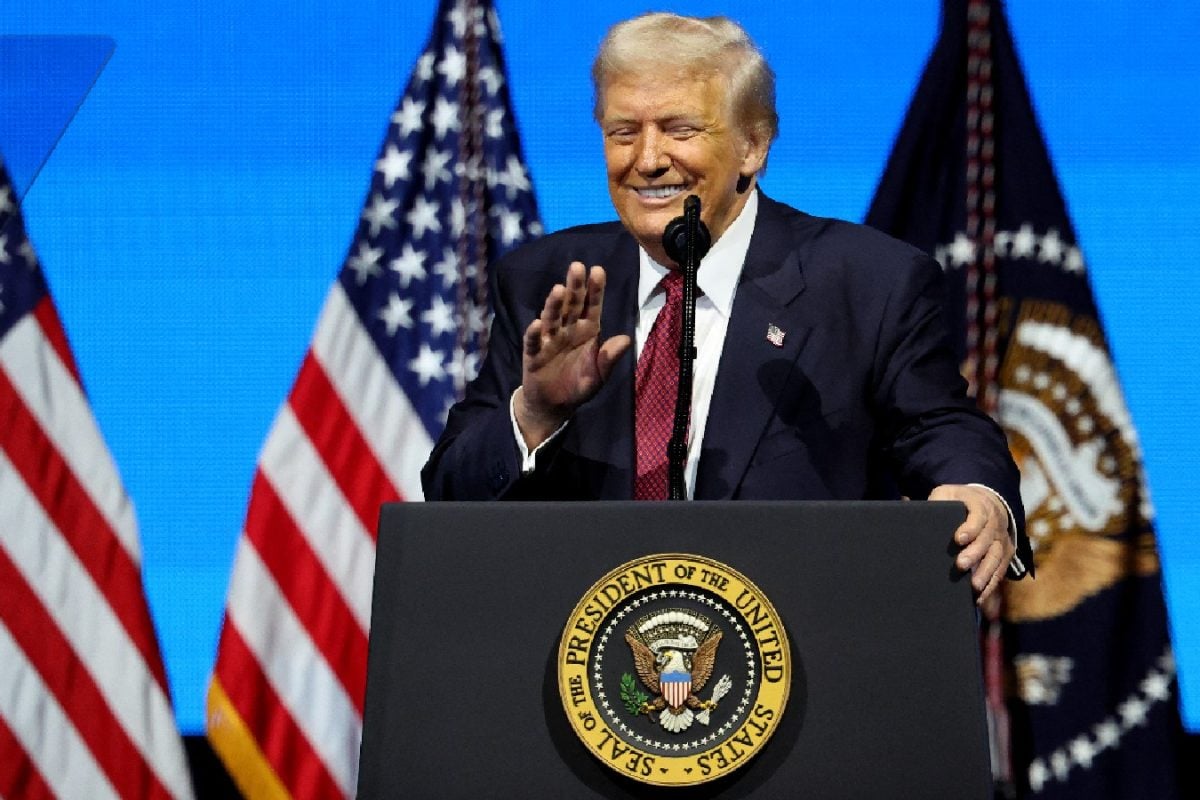
In a move that has sparked intense debate, the Trump administration is pushing forward with the potential sale of advanced F-35 fighter jets to Saudi Arabia, despite concerns over the kingdom's human rights record and its alleged ties to Chinese espionage. This development comes as Saudi Crown Prince Mohammed bin Salman prepares for a high-stakes visit to Washington, where the deal is expected to be a central topic of discussion.
The proposed sale, valued at over $6 billion, includes 48 F-35 aircraft, one of the world's most advanced fighter jets, developed by Lockheed Martin. This deal has been in the works for years but faced opposition from some US lawmakers and human rights advocates due to Saudi Arabia's involvement in the Yemen conflict and the murder of journalist Jamal Khashoggi. However, the Trump administration has consistently supported the sale, arguing that it strengthens the US-Saudi alliance and bolsters the kingdom's defense capabilities against regional threats.
The recent revelation of a suspected Chinese espionage operation targeting Saudi Arabia's F-15 fighter jet program has raised further concerns. Critics argue that the kingdom's poor record of safeguarding sensitive technology, coupled with its deepening ties with China, could lead to critical US military technology falling into the wrong hands. Despite these worries, the Trump administration seems determined to finalize the deal, potentially setting the stage for a significant arms sale.
As the world watches, the upcoming talks between the Trump administration and Crown Prince Mohammed bin Salman will shape the future of US-Saudi relations and the balance of power in the Middle East. The decision to proceed with the F-35 sale will undoubtedly have far-reaching implications for regional security and the global arms trade, leaving many to ponder the potential consequences of this strategic gamble.
Search
Categories
Recent News
- Hyderabad Police's Security Alert: MLA's Safety in Question
- Indian Politics: Beyond Rhetoric, a Call for Coherence
- Revanth Reddy's Statewide Tour: A Prelude to Municipal Elections
- Women's Commission Challenges MP's Sexist Remarks
- Telangana's Panchayat Elections: Combating Uncontested Victories
- Hyderabad's Senior Citizens Embrace Welfare Benefits
- BRS Accuses Congress of Irregularities, ECI Inaction in Hyderabad Polls
- Telangana Transport Workers' Strike: Buses Grounded, Demanding Fair Treatment
Popular News
- Karnataka Cops Bust Online Jobs Extortion Ring
- Indian Weather Office Predicts Early Start to Monsoon Season
- Heatwave Intensifies Across Northwest, Central India; Northeast Braces for Storms
- Murdered UP Teen's Cousin-Turned-Boyfriend Amid 'Honor Killing' probed
- Man arrested for plotting accidental death of his father