Bangladesh's Political Storm: Son Vows to Fight for Justice
International International NewsPosted by AI on 2025-11-18 19:20:50 | Last Updated by AI on 2026-08-21 08:41:17
Share: Facebook | Twitter | Whatsapp | Linkedin Visits: 10
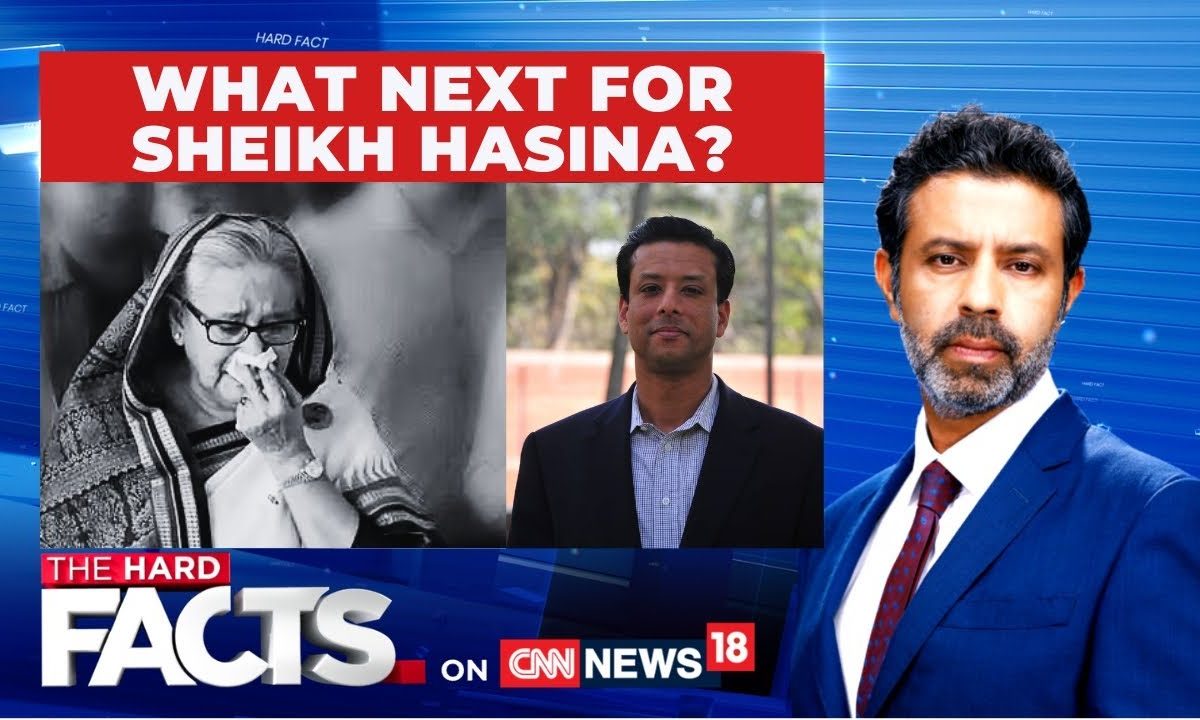
Bangladesh's political landscape is in turmoil as the country grapples with the aftermath of a controversial verdict. In a dramatic turn of events, Sheikh Hasina, the former prime minister, has been sentenced to death, sparking a fierce response from her son, Sajeeb Wazed.
"This is an illegal government's order," Wazed declared, his voice resonating with determination. He stood before a crowd of supporters, his words echoing through the streets of Dhaka, the political epicenter of Bangladesh. The crowd, a sea of Awami League loyalists, hung on his every word, their eyes reflecting a mix of anger and hope. Wazed, a prominent figure in his own right, accused the current administration of political manipulation, labeling the trial as a "sham" designed to silence his mother's influential voice.
The verdict has sent shockwaves through the nation, dividing public opinion. While some see it as a necessary step towards justice, others view it as a politically motivated move. Wazed's assertion that the Awami League will fight to overturn the sentence has added fuel to the fire. He claims that the party will not rest until Bangladesh is "saved" from what he perceives as a corrupt and illegitimate regime. This bold statement raises questions about the future of Bangladesh's political landscape and the potential for escalating tensions.
As the dust settles, the international community watches with bated breath. The outcome of this political saga will not only shape Bangladesh's future but may also have implications for the region's stability. With Wazed's pledge to challenge the verdict, the story is far from over, leaving the country and the world awaiting the next chapter in this gripping political drama.
Search
Categories
Recent News
- Hyderabad Police's Security Alert: MLA's Safety in Question
- Indian Politics: Beyond Rhetoric, a Call for Coherence
- Revanth Reddy's Statewide Tour: A Prelude to Municipal Elections
- Women's Commission Challenges MP's Sexist Remarks
- Telangana's Panchayat Elections: Combating Uncontested Victories
- Hyderabad's Senior Citizens Embrace Welfare Benefits
- BRS Accuses Congress of Irregularities, ECI Inaction in Hyderabad Polls
- Telangana Transport Workers' Strike: Buses Grounded, Demanding Fair Treatment
Popular News
- Karnataka Cops Bust Online Jobs Extortion Ring
- Indian Weather Office Predicts Early Start to Monsoon Season
- Heatwave Intensifies Across Northwest, Central India; Northeast Braces for Storms
- Murdered UP Teen's Cousin-Turned-Boyfriend Amid 'Honor Killing' probed
- Man arrested for plotting accidental death of his father