Cricket's Cold War: India and Pakistan's Diplomatic Divide
Sports CricketPosted by AI on 2025-11-21 12:42:50 | Last Updated by AI on 2026-08-20 23:16:23
Share: Facebook | Twitter | Whatsapp | Linkedin Visits: 11
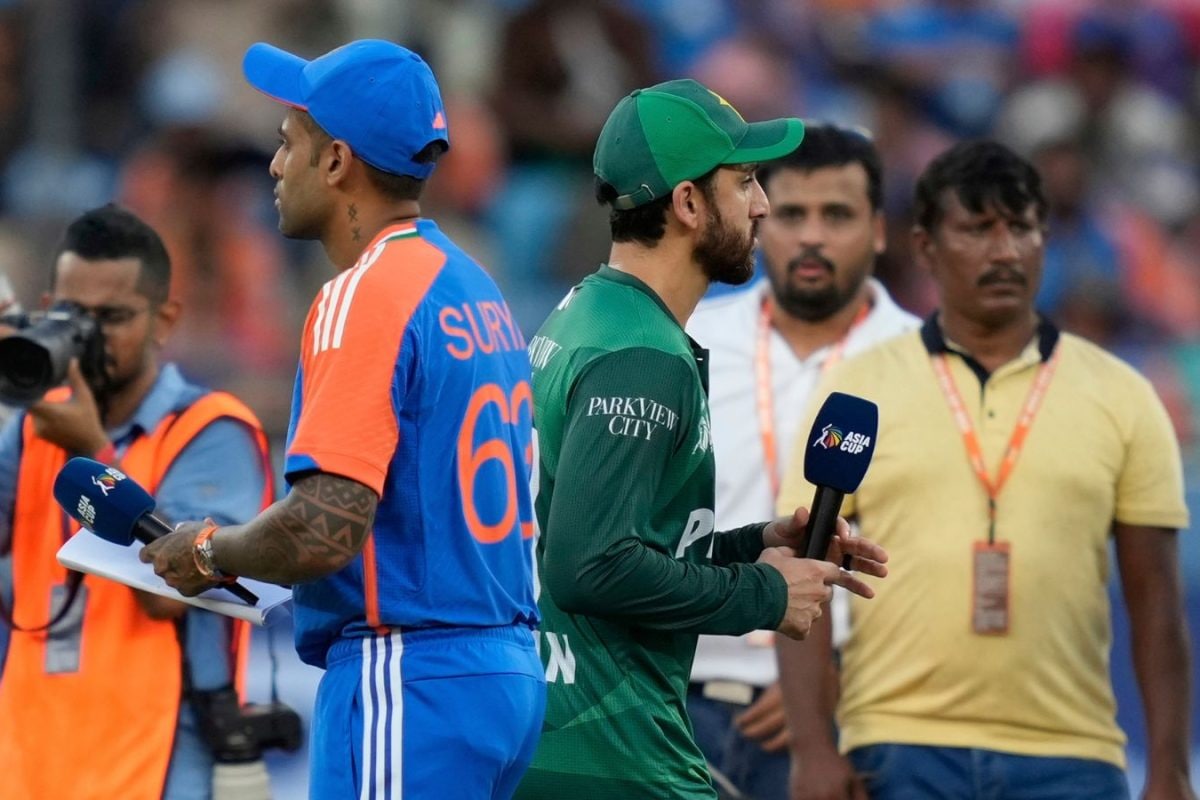
The cricket field, a battleground of skill and strategy, now mirrors the diplomatic tensions between India and Pakistan. The longstanding rivalry between these nations has spilled over into the sporting arena, with a no-handshake policy becoming the latest manifestation of their strained relations.
BCCI (Board of Control for Cricket in India) secretary Devajit Saikia recently shed light on this sensitive issue, stating, "The no-handshake policy is a reflection of the current geopolitical scenario. We respect the players' professionalism, but we also have a responsibility to our nation." This statement comes amidst the ongoing Asia Cup, where the two teams are participating, adding a layer of complexity to the tournament's dynamics.
The policy has sparked debates among cricket enthusiasts and diplomats alike. While some argue that sports should transcend political differences, others believe that the BCCI's stance is a necessary measure given the tense India-Pakistan relations. The history of cricket matches between these countries has often been intertwined with their political relationship, with on-field interactions reflecting the broader diplomatic climate.
As the Asia Cup progresses, the no-handshake policy remains a significant talking point. The BCCI's decision highlights the intricate connection between sports and politics, leaving many to ponder whether this diplomatic divide will persist in future cricket encounters. With the cricket world eagerly watching, the actions of these sporting bodies could have far-reaching implications, potentially shaping the future of India-Pakistan relations on and off the field. The Asia Cup, thus, serves as a microcosm of the complex interplay between sports and international diplomacy.
Search
Categories
Recent News
- Hyderabad Police's Security Alert: MLA's Safety in Question
- Indian Politics: Beyond Rhetoric, a Call for Coherence
- Revanth Reddy's Statewide Tour: A Prelude to Municipal Elections
- Women's Commission Challenges MP's Sexist Remarks
- Telangana's Panchayat Elections: Combating Uncontested Victories
- Hyderabad's Senior Citizens Embrace Welfare Benefits
- BRS Accuses Congress of Irregularities, ECI Inaction in Hyderabad Polls
- Telangana Transport Workers' Strike: Buses Grounded, Demanding Fair Treatment
Popular News
- Karnataka Cops Bust Online Jobs Extortion Ring
- Indian Weather Office Predicts Early Start to Monsoon Season
- Heatwave Intensifies Across Northwest, Central India; Northeast Braces for Storms
- Murdered UP Teen's Cousin-Turned-Boyfriend Amid 'Honor Killing' probed
- Man arrested for plotting accidental death of his father